Retired footballers show higher rates of depression and anxiety, study finds
Anxiety, Study Shows Retired footballers show higher rates of depression and anxiety, according to a recent study that highlights the long-term mental health

Table of Contents
Retired Footballers Face Higher Rates of Depression and Anxiety, Study Shows
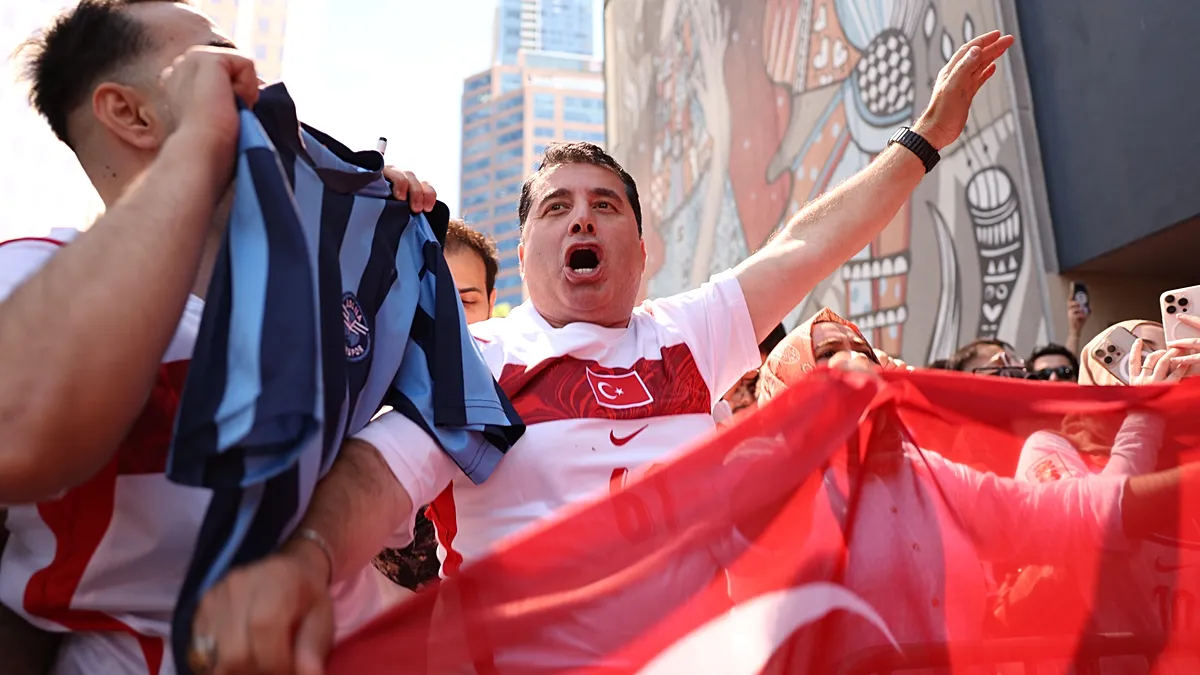
Poinews.com – Retired footballers show higher rates of depression and anxiety, according to a recent study that highlights the long-term mental health impacts of a career in professional sports. Researchers analyzed data from 142 former players, all aged between 30 and 60, and found that a significant proportion experienced symptoms of clinical depression and anxiety. These findings suggest that the transition from active play to retirement may pose unique challenges for ex-footballers, with their mental health struggles being more pronounced than those of individuals without a sports background.
Methodology and Comparative Analysis
The study, conducted by experts at Imperial College London, compared the mental health outcomes of retired players with a control group of 56 healthy individuals of similar age who had no history of contact sports, military service, or neurological conditions. Participants were asked to self-report their experiences with cognitive functions such as planning, decision-making, and problem-solving, revealing notable differences between the two groups. While standard cognitive tests did not show significant variations, the retired footballers reported higher rates of depression and anxiety, underscoring a gap between objective assessments and subjective experiences.
Among the findings, approximately 33% of retired players met the diagnostic criteria for clinical depression, compared to just 9% of the control group. Similarly, 42% of former players exhibited anxiety symptoms, versus 25% of non-players. These statistics emphasize the heightened vulnerability of footballers to mental health issues post-retirement. The research also noted that retired players described reduced abilities in tasks like daily organization and executive function, even though their memory and thinking skills remained comparable to the general population.
Cognitive Function Challenges
The study’s lead author, Caleigh Grace Lynch, highlighted that the reported differences in cognitive function were not captured by traditional assessments. Instead, these challenges emerged through self-reported experiences, suggesting that the sport’s physical demands may indirectly affect mental processes. Lynch explained,
“Although standard cognitive tests did not show significant differences, participants reported marked variations in symptoms like anxiety and depression, as well as distinct brain imaging patterns.”
This insight opens the door to exploring how repetitive head impacts or the psychological pressures of professional football could contribute to these long-term effects.
Neurological Changes and Future Research
Brain imaging studies revealed structural differences in the brains of some retired players, including evidence of diminished volume in certain regions. These findings, while not definitive, hint at potential trauma-related neurodegeneration. However, the researchers caution that more studies are needed to establish a clear link between football and mental health conditions. They stress that the observed changes may not always equate to cognitive decline, but rather reflect adaptations or damage caused by years of play.
Thomas Parke, a researcher at the UK Dementia Research Institute, emphasized the importance of longitudinal studies to track how repeated head impacts might influence brain health over time. He noted that while football is often associated with physical fitness and social engagement, the risk of head injuries—such as those from heading the ball or collisions—could play a role in mental health challenges later in life. The study underscores the need for better support systems for retired athletes to address these emerging concerns.