Dried up creeks and missing waterfalls: What I found on a trip to Austria’s most famous gorge
Visitors to the Bärenschützklamm, Austria's premier gorge destination, typically navigate cascading waterfalls and brisk mountain streams. This season

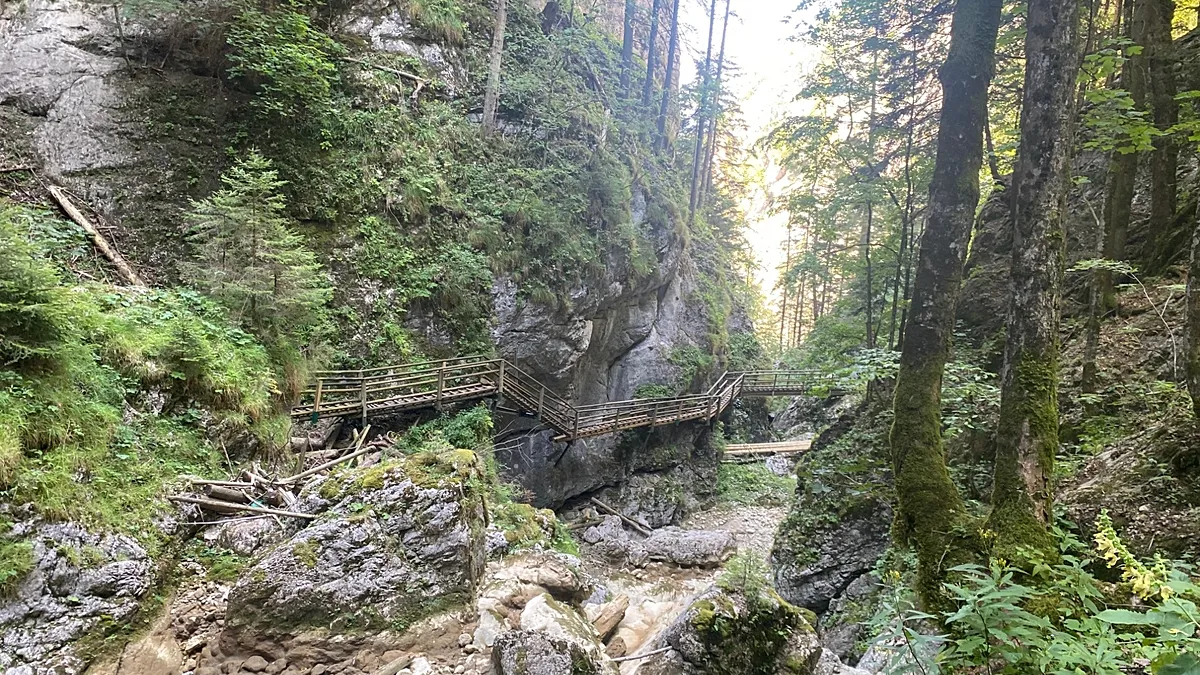
Table of Contents
Austrian Gorge Transformed by Unprecedented Drought
Poinews.com – Visitors to the Bärenschützklamm, Austria’s premier gorge destination, typically navigate cascading waterfalls and brisk mountain streams. This season, however, presents an entirely different spectacle. The water that draws approximately 40,000 annual visitors has largely vanished. Waterfalls stand silent and dry, while creek beds have become so parched that hikers can traverse them as easily as any conventional path.
Gerhard Jantscher, who serves as chairman of the Austrian Alpine Club Österreichischer Alpenverein’s Mixnitz section, shared his observations with Euronews Earth. He explained that Alpine regions are experiencing accelerated transformation due to global warming, extended summer heatwaves, persistent drought conditions, and diminished snowfall and rainfall. The centuries-old landscape is shifting at an unprecedented pace.
Water Sources and Recovery Timeline
According to Jantscher, the gorge’s water flow completely stopped by late July because of insufficient precipitation. The Mixnitz Stream provides the primary water supply, originating at the Sommeralm and traveling through the Teichalm before reaching the Bärenschützklamm. Local ecosystems depend substantially on natural rainfall, as both the Sommeralm and Teichalm zones absorb precipitation and slowly release it into the stream system.
By the end of July, the flow of water through the Bärenschützklamm gorge had ceased due to a lack of precipitation. The water source is the Mixnitz Stream, which originates on the Sommeralm and flows via the Teichalm to the Bärenschützklamm. The region relies heavily on natural precipitation so that the Sommeralm and Teichalm areas can absorb the rainfall and gradually feed it into the Mixnitz Stream.
Recovery would require a minimum of seven consecutive days of consistent rainfall to restore normal water levels.
Historical Safety Improvements
The gorge remains spectacular even without flowing water. Navigating between or beneath towering rock formations and ancient trees offers visitors a chance to witness nature’s raw power firsthand. The hiking route features free-floating wooden ladders that were constructed more than a century ago.
Following a fatal incident in 2020, the gorge remained closed until this year. During the closure period, officials invested over €2 million to enhance trail safety. Jantscher provided additional context: “We began planning the safety measures and the construction of the walkway system in 2021. We, the Mixnitz Section of the Austrian Alpine Club (ÖAV), were able to raise these funds through our own personal efforts in order to make the Bärenschützklamm accessible to tourists.”
Ongoing Maintenance and Future Outlook
Designated as a natural monument in 1978, the Bärenschützklamm requires annual inspections of both wooden ladders and rock formations due to weather-related wear. Jantscher noted that he and Sigi Wentner, who serves as deputy chairman and mountain rescue warden, lead the gorge project on a voluntary basis.
What does the future hold? We have to consult geological experts – which we do every spring – to understand the behaviour of the rock faces, trees, and water, and to be able to intervene should any changes occur. Every year, the Bärenschützklamm undergoes a geological and technical inspection by the relevant authorities and is officially approved for public access.
Climate Patterns and Historical Context
Before climate change impacts became pronounced, mountain precipitation levels were consistently high, typically surpassing 1,000 millimetres annually across most areas and frequently reaching 1,500 mm. The Austrian Alps traditionally experience their driest conditions during winter months, with summer bringing the heaviest rainfall through afternoon thunderstorms.
This year mirrored broader European patterns of extended heatwaves and reduced rainfall. GeoSphere Austria reported that precipitation between January 1 and June 30, 2026, measured 27 percent below the long-term average. While this deviation alone might seem moderate, certain regions experienced their most severe dry conditions since 1885.
Related Reading
Frequently Asked Questions
What is Dried up creeks and missing waterfalls?
Dried up creeks and missing waterfalls is the main topic of this guide. The article explains the context, practical details, and next steps readers should understand.
Why does Dried up creeks and missing waterfalls matter?
Dried up creeks and missing waterfalls matters because readers are looking for a useful answer, not just a short summary. Good content should match search intent and help them decide what to do next.