These are Europe’s twistiest – and most scenic – roads, according to a new ranking
The act of driving has become, for many travellers, the destination itself. Searches worldwide for "scenic routes" jumped 170 percent over the last twelve

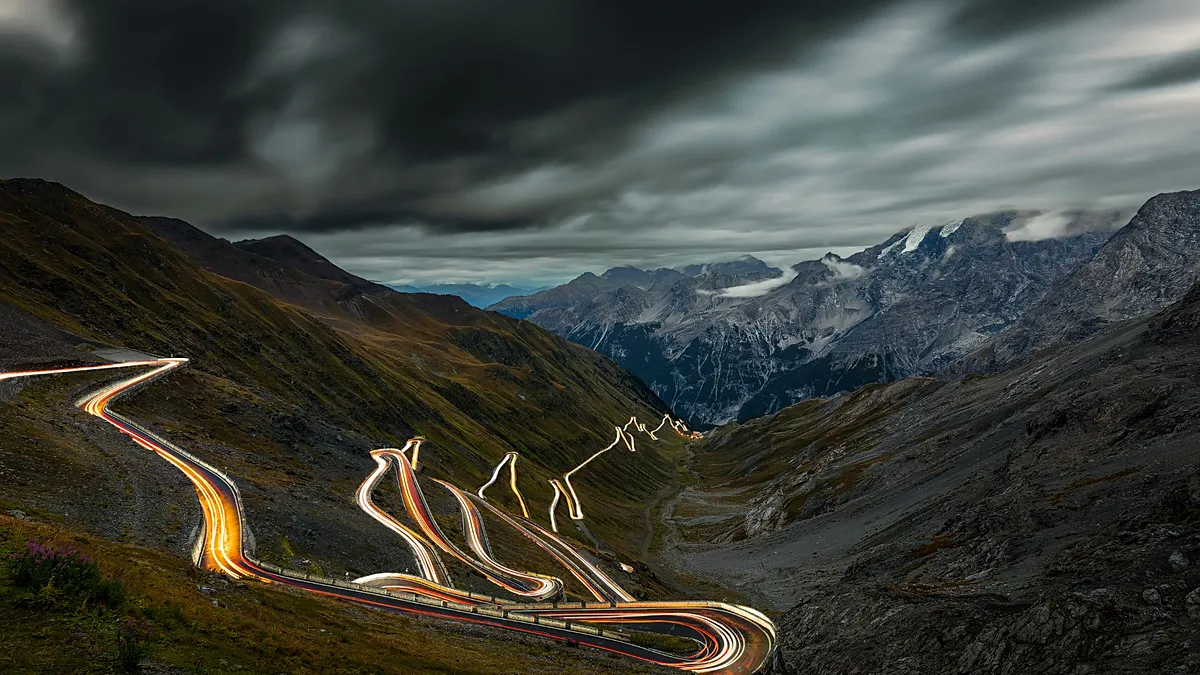
Table of Contents
Europe’s Most Winding Roads, Ranked by a New Data-Driven Index
Poinews.com – The act of driving has become, for many travellers, the destination itself. Searches worldwide for “scenic routes” jumped 170 percent over the last twelve months, signalling a surge in demand for roads where the journey matters as much as the endpoint. Capitalising on that appetite, car-rental firm Avis assembled a composite ranking of Europe’s most serpentine drives. Each candidate route was evaluated on physical attributes — total length, peak elevation, and curve count — before social-media traction (Instagram hashtag volume) and mean monthly Google search figures were layered in to gauge cultural popularity. Bend counts were extracted from Road Curvature maps through AI-assisted analysis, and every metric was folded into a single composite score capped at 100.
The Scenic Pick: Val d’Orcia, Italy
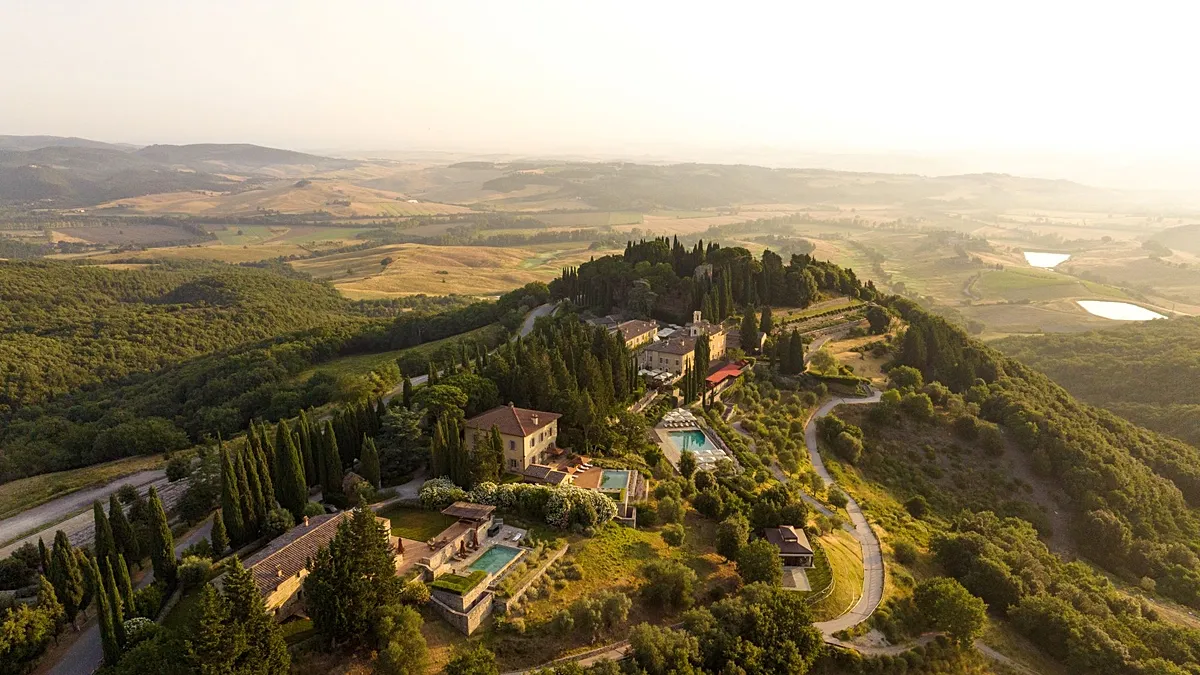
Before the hairpin-heavy contenders, one route earned a separate distinction. Val d’Orcia, threading through the rolling Tuscan countryside past an endless succession of cheese dairies and vineyards, was crowned the most picturesque road trip on the list. Its postcard panoramas and pastoral stops make it the go-to choice for drivers who value views over velocity.
5th Place – Transalpina (DN67C), Romania: Score 73
The longest entry in the top five stretches 148 kilometres at a peak elevation of 2,145 metres. Along that considerable distance the road delivers 682 curves, averaging roughly five per kilometre. Social-media interest is substantial: 89,400 Instagram hashtags and an estimated 60,500 monthly searches. Villages dotting the route serve hearty regional dishes, while side trails invite hikers into surrounding valleys and ridgelines.
4th Place – Stelvio Pass, Italy/Switzerland Border: Score 88
At the summit of the winding index sits the Stelvio Pass, a 35-kilometre climb reaching 2,757 metres. Its curve tally is extraordinary — 685 bends, or twenty per kilometre — earning it the title of Europe’s officially most winding road. Driving enthusiasts have taken notice: approximately 68,700 Instagram hashtags and 74,000 average monthly searches attach to the route. Because of its altitude, the pass operates only between June and October, when snow and ice would otherwise render the already-demanding geometry even more hazardous.
3rd Place – Grossglockner High Alpine Road, Austria: Score 80
Spanning 48 kilometres with 350 curves (about seven per kilometre), this Austrian corridor frames the Grossglockner — the country’s tallest peak — alongside the Pasterze Glacier. Its Instagram footprint is the largest in the ranking at 182,000 hashtags, though monthly search volume sits lower at 18,100. Winter snow closes the road, but in open months the surrounding cabins and lodges offer base camps for spotting rare alpine fauna and flora, making it a standout option for nature-focused travellers.
2nd Place – Furka Pass, Switzerland: Score 86
Perhaps best remembered for its cameo in the 1964 James Bond film Goldfinger, the Furka Pass packs 344 curves into just 22.5 kilometres — fifteen per kilometre — while climbing to 2,429 metres. Situated between the Uri and Valais Alps, it rewards drivers with sweeping vistas of glaciers and jagged summits. Social-media engagement is high: 101,000 Instagram hashtags and roughly 60,500 average monthly searches. Like its higher-altitude neighbours, the pass is seasonal, typically accessible from June through October.
1st Place (by brevity) – Trollstigen, Norway: Score 74
At merely six kilometres, Trollstigen is the shortest road in the ranking, yet its 850-metre elevation and near-20 curves per kilometre make it anything but a gentle stroll. Fjord panoramas, cascading waterfalls, and dramatic pull-off viewpoints have cemented its status as Norway’s most-visited tourist road. Paradoxically, it registers the lowest monthly search volume among the top five. The route opens from mid-May until the first autumn snowfall, and those who can manage its tight geometry are amply repaid by the scenery.
Related Reading
Frequently Asked Questions
What is These are Europe s twistiest?
These are Europe s twistiest is the main topic of this guide. The article explains the context, practical details, and next steps readers should understand.
Why does These are Europe s twistiest matter?
These are Europe s twistiest matters because readers are looking for a useful answer, not just a short summary. Good content should match search intent and help them decide what to do next.