Tourism hit by war fears: Seven EU countries seek Brussels funding for frontline regions
Seven countries along Europe's eastern frontier have formally requested financial support from Brussels to shore up tourism sectors battered by proximity to

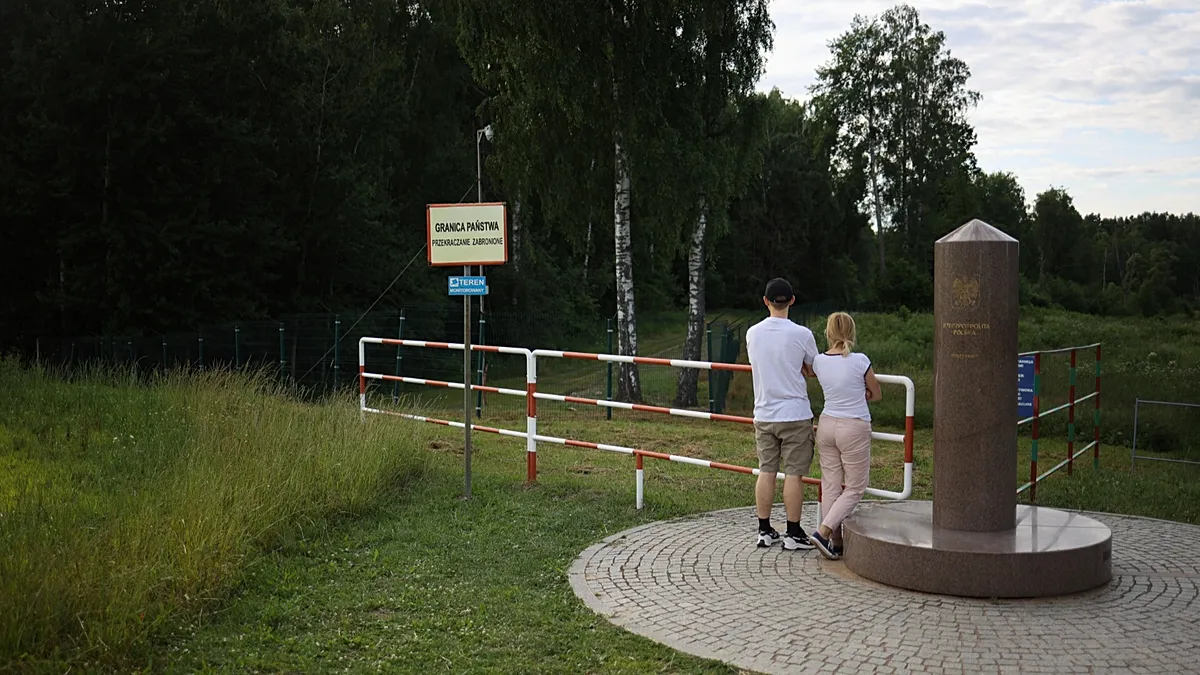
Table of Contents
EU Frontline Regions Seek Funding as Tourism Hit by War Fears
Poinews.com – Seven countries along Europe’s eastern frontier have formally requested financial support from Brussels to shore up tourism sectors battered by proximity to active conflict. In a joint letter addressed to European Commissioners Apostolos Tzitzikostas (Tourism) and Raffaele Fitto (Cohesion and Finance), the tourism and finance ministers of Bulgaria, Estonia, Latvia, Lithuania, Poland, Romania, and Slovakia detailed how geopolitical instability tied to Russia’s full-scale invasion of Ukraine has depressed visitor numbers and squeezed small businesses. The ministers asked that the bloc’s proposed €2 trillion Multiannual Financial Framework allocate dedicated resources to regions where tourism hit by war fears has become an economic reality rather than a hypothetical risk.
“Tourism flows have declined considerably in most of these regions,” the letter states, adding that small and medium-sized enterprises face reduced investor confidence, heightened operational uncertainty, and constrained access to credit precisely when seasonal income is essential for year-round survival. The signatories also offered to participate in a “constructive dialogue” on the forthcoming EU Strategy for Sustainable Tourism, a non-binding framework designed to promote competitive and sustainable travel across member states.
Drone Incursions and the Latgale Toll
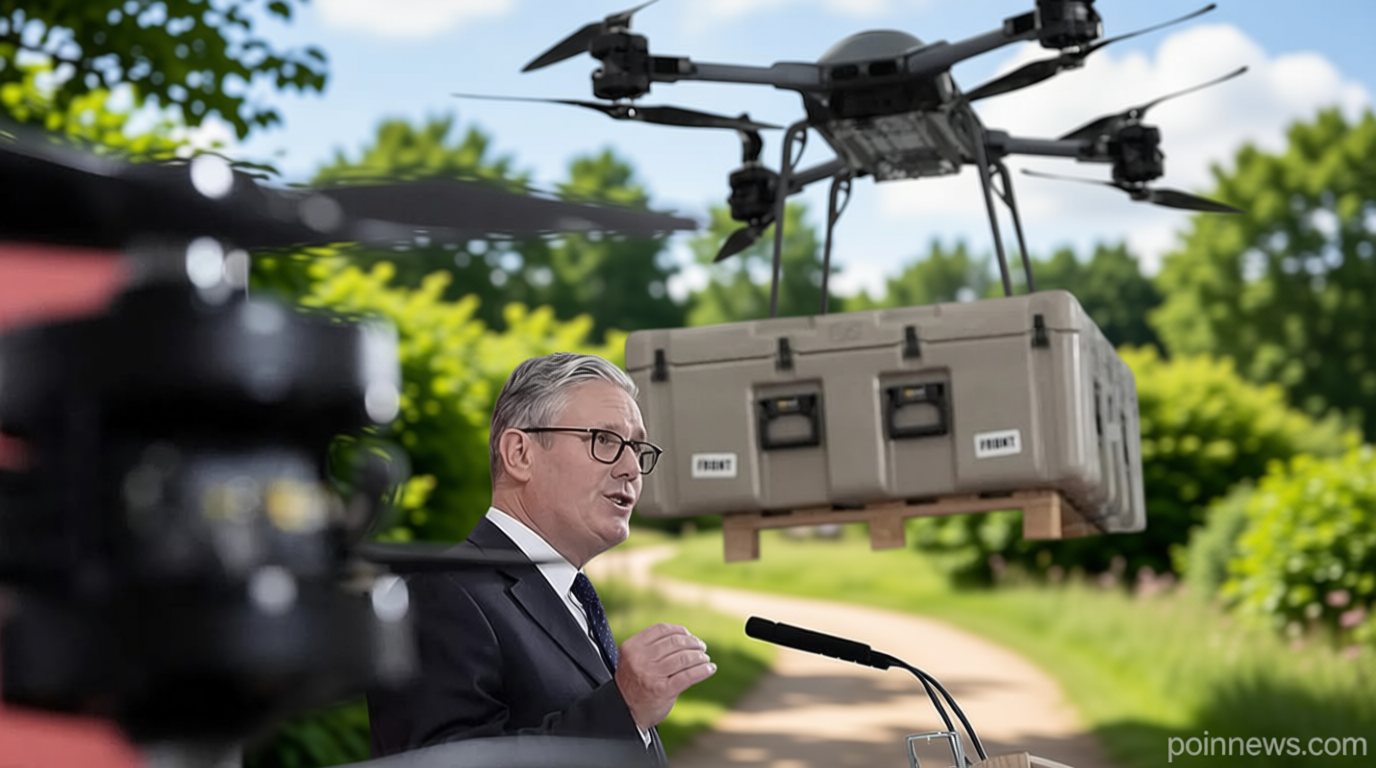
Latvia’s Economics Ministry Parliamentary Secretary Jurģis Miezainis explained that every time an unidentified aerial object crosses into the Baltic state’s airspace, anxiety ripples through both residents and visiting travellers. “These drone incursions immensely affect the tourism sector because the tourism sector is very based on emotions,” he told Euronews. Most of the intrusions reportedly originate from Russia—occasionally from Ukraine—and enter through the country’s eastern flank, where a 449-kilometre border runs alongside both neighbours.
The drones predominantly cross over Latgale, an eastern district locals call the Land of the Blue Lakes, home to more than 2,000 small reservoirs. The Latgale Tourism Association recently surveyed 94 hospitality and tourism operators in the area. Seventy-two percent of respondents reported a drop in turnover and visitor volume in June 2026 relative to June 2025; roughly one in five lost at least half of its earnings over the preceding twelve months. Miezainis acknowledged that inflated airfares linked to the war in Iran also deter prospective visitors, but stressed that the security dimension remains the dominant factor.
“When we talk about a sector like tourism, it somehow falls through the cracks, and there isn’t enough focus,” Miezainis said, urging the Commission to address the cross-border security question affecting at least half a dozen eastern EU states.
Before the full-scale invasion, Russian and Belarusian travellers formed a meaningful share of Latgale’s visitor base owing to shared borders. Those borders are now effectively closed. Latvia is pivoting toward long-haul markets—Japan, Canada, the United States—and courting cruise-ship operators that call at Riga, though Miezainis cautioned that cruise itineraries are inherently short-term and the country is exploring longer-stay formats.
UN World Tourism Organisation data corroborate the downturn: Latvia recorded 38% fewer international arrivals in 2022 versus 2019, while Slovenia lost 42% and Finland 36% over the same window. The European Commission’s latest cohesion report echoes the picture, noting that Russia’s war of aggression produced “a sharp reduction of investment, trade flows and economic activities (including tourism), as well as new economic barriers and job losses” in affected regions.
Frequently Asked Questions
Which EU countries requested the funding?
Bulgaria, Estonia, Latvia, Lithuania, Poland, Romania, and Slovakia submitted the joint letter to the European Commission in August 2026.
What is the EU Strategy for Sustainable Tourism?
It is a non-binding policy plan under development that aims to make tourism across member states more competitive, resilient, and environmentally sustainable. The seven ministers asked that proximity-to-war impacts be explicitly addressed within the strategy.
How severe is the economic impact in Latvia’s Latgale region?
A survey of 94 local tourism and hospitality businesses found that 72% experienced lower turnover and fewer visitors in June 2026 compared with June 2025, and about 20% lost at least half their annual earnings over the prior year.
What is Latvia doing to attract new visitors?
The country is marketing to long-haul markets such as Japan, Canada, and the United States, engaging cruise-ship operators that stop in Riga, and exploring longer-stay tourism products to offset the loss of former Russian and Belarusian arrivals.