US to divert $52 million in military aid from Europe and Middle East to Trump-friendly nations in Americas
The Trump administration is shifting $52 million in US military assistance away from several countries in Europe and the Middle East, directing the money

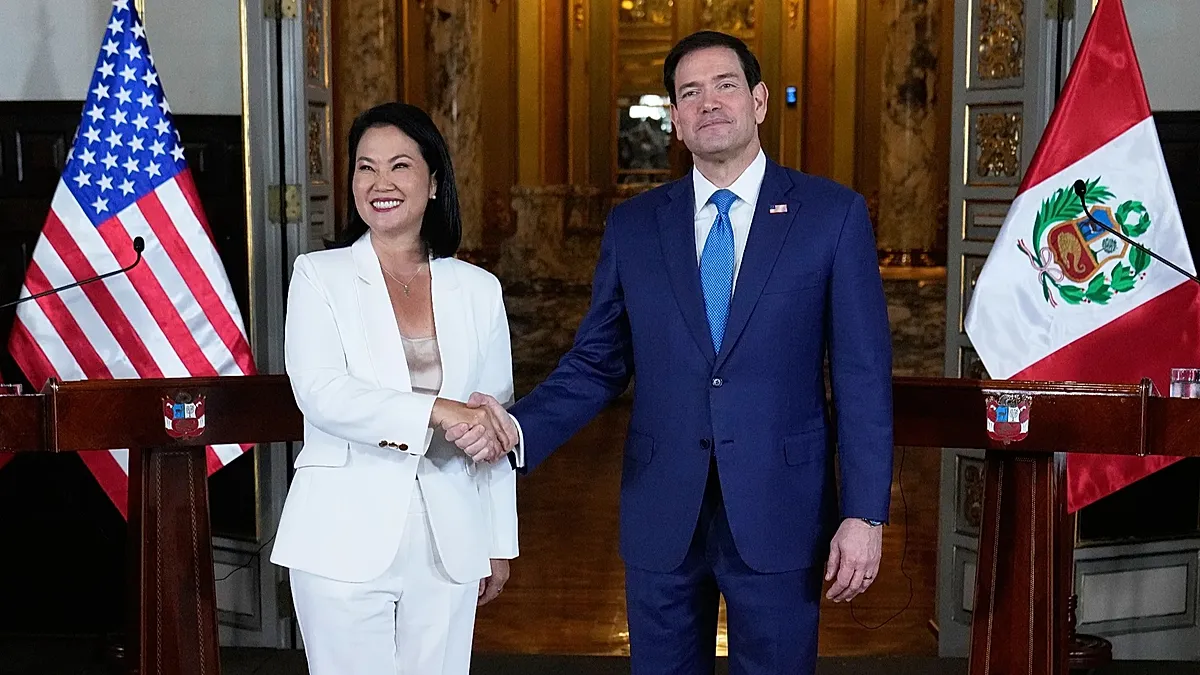
Table of Contents
Washington redirects military assistance toward partners in the Americas
Poinews.com – The Trump administration is shifting $52 million in US military assistance away from several countries in Europe and the Middle East, directing the money instead to governments in Latin America that it views as closely aligned with Washington.
The State Department informed Congress on Tuesday that funds previously intended for Iraq, Tunisia, Slovakia and North Macedonia would be reassigned to Colombia, Ecuador, Peru and Panama. Slovakia and North Macedonia are both members of NATO.
The decision illustrates the administration’s growing focus on the Western Hemisphere, where President Donald Trump has sought to expand US influence, strengthen security cooperation and counter regional rivals. The countries losing part of their planned assistance are expected to continue receiving US support, though the size of their revised allocations has not been specified.
Security priorities shift closer to home
State Department officials framed the transfer as part of an effort to confront drug-related security threats and protect strategically important infrastructure in the Americas. Panama’s position as host of the Panama Canal has given the country particular importance in the administration’s regional planning.
“Narcoterrorism in our backyard”
The department said the redirected support would also help the United States maintain security around the Panama Canal and limit opportunities for hostile powers to gain influence in the hemisphere.
“Prevent adversaries from establishing strategic footholds in our hemisphere.”
The funding change is relatively modest when measured against the broader US security budget, but it carries political significance. It moves resources from partners in regions where the United States has traditionally maintained extensive military and diplomatic commitments toward governments in the Americas that Trump regards as useful allies.
The move comes as the administration places increasing emphasis on migration, cross-border crime, drug trafficking, energy and strategic competition in the region. It also reflects Trump’s argument that American foreign policy should devote greater attention to challenges nearer to US borders.
Trump’s broader Americas strategy
Since returning to the White House in January 2025, Trump has pursued a more assertive approach across Latin America and the Caribbean. His administration has carried out strikes against boats alleged to be involved in drug trafficking from the region and launched an operation that captured former Venezuelan leader Nicolás Maduro.
Venezuela has also remained central to Washington’s economic interests. In August, Trump reached a major oil agreement with Caracas as he sought access to the country’s petroleum sector. The combination of security operations, diplomatic engagement and energy policy has placed Venezuela at the center of the administration’s wider regional agenda.
At the same time, the White House has worked to deepen ties with leaders it considers politically compatible and prepared to cooperate with US priorities. Secretary of State Marco Rubio traveled to South America last week, meeting conservative leaders in Peru, Colombia and Ecuador. The trip was intended to reinforce commitments to cooperation and additional US backing.
Colombia is expected to be among the principal beneficiaries of the administration’s renewed attention. In August, the State Department said it planned to announce a $1 billion security package for President Abelardo de la Espriella’s right-wing government. The department’s spokesperson said the initiative was designed to advance objectives shared by Washington and Bogotá.
“Our shared goals.”
Trump has repeatedly praised de la Espriella, describing him as a leader with strength and intelligence and pledging robust US support for his administration.
“Smart, strong, and tough leader”
“Total support and strength of the United States behind him.”
Different message for Europe and the Middle East
The reassignment of assistance also underscores a contrasting approach toward Europe. Trump has frequently criticized European NATO members over defense spending and has argued that allies should take on more responsibility for their own security. He has also threatened to reduce the US military presence on the continent.
For Slovakia and North Macedonia, the funding change arrives amid continued debate over NATO burden-sharing and the future role of American forces in Europe. While neither country is being cut off from US assistance entirely, the uncertainty over the remaining amount may raise questions about how future security support will be allocated.
Iraq and Tunisia, meanwhile, have long been recipients of US assistance tied to security cooperation and regional stability. The revised distribution suggests that existing programs in the Middle East and North Africa may face closer scrutiny as the administration redirects attention and resources toward the Americas.
For Colombia, Ecuador, Peru and Panama, the shift could provide additional support for security efforts while signaling stronger political engagement from Washington. The administration has linked the aid to combating organized criminal activity, protecting regional infrastructure and limiting the influence of geopolitical competitors.
The decision does not by itself redefine US commitments in Europe or the Middle East. However, it offers a clear indication of where the Trump administration sees immediate strategic opportunities: countries in the Americas that are prepared to cooperate closely with the United States on security, economic interests and regional influence.
Related Reading
Frequently Asked Questions
What is US to divert 52 million in military?
US to divert 52 million in military is the main topic of this guide. The article explains the context, practical details, and next steps readers should understand.
Why does US to divert 52 million in military matter?
US to divert 52 million in military matters because readers are looking for a useful answer, not just a short summary. Good content should match search intent and help them decide what to do next.