English village votes to ‘secede’ from UK over asylum centre plan
A small village near Oxford has staged a symbolic vote to break away from the United Kingdom, using a local referendum to protest plans for a large asylum

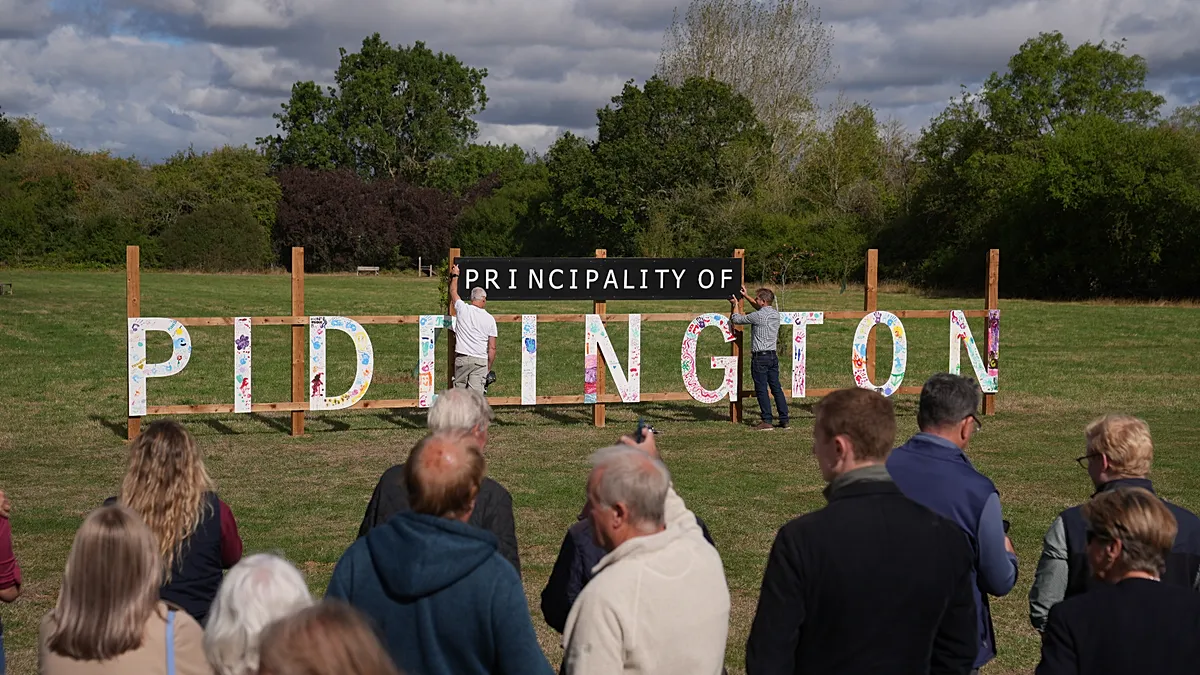
Table of Contents
Piddington residents stage symbolic breakaway vote over asylum housing plan
Poinews.com – A small village near Oxford has staged a symbolic vote to break away from the United Kingdom, using a local referendum to protest plans for a large asylum accommodation centre at a former military site nearby.
Piddington, a community of about 350 people, voted by a substantial margin in favour of seeking “self-determination”. Of 312 ballots counted, 285 supported the proposal. The result does not have legal force, but it offered residents a highly visible way to express opposition to the government’s plans.
After the count, villagers marked the outcome with a sign describing the locality as the “Principality of Piddington”. The gesture was intended as political theatre rather than a formal attempt to alter the village’s constitutional status.
A protest framed as independence
The parish council organised the referendum amid concern about a proposal to accommodate more than 1,200 single adult male asylum seekers at the disused military location. The centre is expected to operate for at least 10 years.
For a village with a few hundred residents, the projected scale of the facility has become the central issue. The vote placed that concern in a deliberately unusual form: a mock independence campaign designed to draw attention beyond the immediate area.
“Principality of Piddington”
The campaign also drew inspiration from Passport to Pimlico, the 1949 British comedy in which residents of a London neighbourhood discover that their area is technically outside the United Kingdom and proclaim independence. In Piddington, the reference provided a comic frame for a serious local dispute over government policy and the future use of the former military site.
Local council leader Tim McNally said the referendum was meant to communicate the community’s anxieties about the planned centre. While the ballot cannot compel a change in policy, the overwhelming result gives the parish council a clear expression of local opposition.
Part of a wider accommodation strategy
The proposed site forms part of the government’s effort to reduce the use of hotels for asylum accommodation. Former military bases have been identified as an alternative within that strategy, with the aim of moving people out of hotel settings and into other forms of housing.
That national policy objective has placed Piddington at the centre of a broader debate. The question is not only whether hotels should be used, but also where large-scale accommodation should be located, how long sites should remain open and how nearby communities are involved when decisions are made.
In this case, the planned capacity is far greater than Piddington’s own population. That contrast helps explain why residents chose a referendum format that was as much a public statement as a local vote. The village’s action does not create a separate jurisdiction, change planning rules or remove the site from government control. Its significance lies in the message it sends about the level of local concern.
Prime Minister Andy Burnham said he would consider the issues raised by the community. At the same time, the government has maintained that the centre will proceed.
What the result means
The Piddington referendum is symbolic, but symbolic votes can still shape public discussion. They can bring attention to a local dispute, make a community’s position easier to measure and increase pressure for officials to address specific concerns. The result shows that the opposition expressed through the ballot was not narrowly divided: 285 of the 312 votes counted backed the call for self-determination.
It does not, however, settle the underlying policy dispute. The government’s stated approach remains focused on reducing dependence on hotels, while Piddington residents continue to object to the proposed use of the nearby military site. The village’s newly proclaimed “principality” therefore remains a protest device, not a constitutional change.
The episode illustrates how a small community can use humour, cultural references and a ballot box to make a national policy issue feel immediate. Behind the playful language of secession is a straightforward local demand: residents want their objections to the asylum centre plan to be heard before the long-term facility becomes part of the area’s future.
Related Reading
Frequently Asked Questions
What is English village votes to secede?
English village votes to secede is the main topic of this guide. The article explains the context, practical details, and next steps readers should understand.
Why does English village votes to secede matter?
English village votes to secede matters because readers are looking for a useful answer, not just a short summary. Good content should match search intent and help them decide what to do next.