Russian foreign minister rejects Berlin’s call to abandon ‘dangerous’ escalation
Russia’s foreign minister Sergei Lavrov pushed back against Germany’s demand that Moscow step away from what Berlin described as a dangerous course of

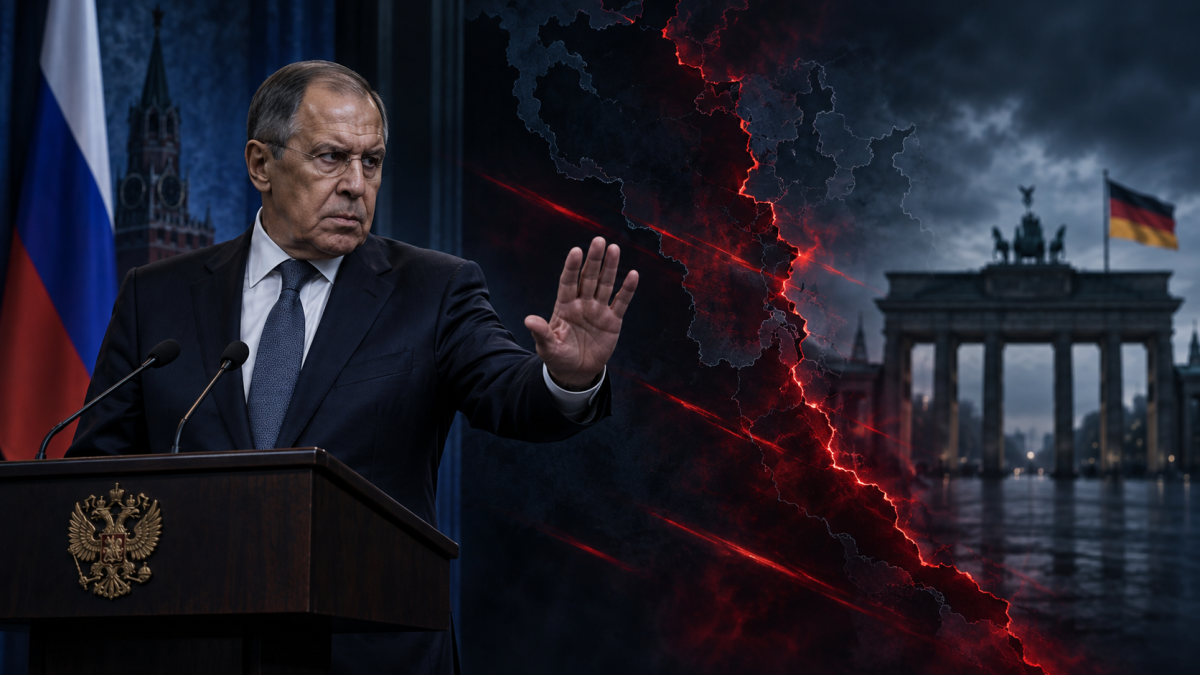
Table of Contents
Lavrov rejects German appeal for de-escalation at UN meeting
Poinews.com – Russia’s foreign minister Sergei Lavrov pushed back against Germany’s demand that Moscow step away from what Berlin described as a dangerous course of escalation toward Europe, as the two diplomats met in New York during the United Nations General Assembly.
Lavrov held talks with German Foreign Minister Johann Wadephul on Saturday before addressing world leaders at the annual gathering. Germany used the meeting to urge Russia to move away from escalating tensions and indicated that improved relations could remain possible if the Kremlin showed a genuine readiness to end the war against Ukraine.
The exchange came at a deeply strained moment in German-Russian relations. Berlin has increased pressure on Moscow following allegations that Russia was responsible for a drone incident at Leipzig/Halle airport earlier this year, while Russia has rejected those accusations and warned of repercussions.
Sharp rhetoric over Europe’s security
In his address to the General Assembly, Lavrov criticised Germany’s defence ambitions and invoked the legacy of the Second World War. He referred to Chancellor Friedrich Merz’s view that Germany should again become a leading military power in Europe.
“Chancellor Merz is stating that Germany must once again be a leading military power in Europe. Does Berlin understand what this could lead to? Did they not learn the lessons of World War II?”
The comments reflected Moscow’s broader effort to frame European military support for Ukraine as a threat to regional security. Germany, meanwhile, has argued that Russia’s full-scale war against Ukraine has transformed Europe’s security environment and requires a stronger response from European governments.
After his UN speech, Lavrov said the discussion with Wadephul had not produced a new opening. He portrayed the German minister’s position as a repetition of Berlin’s public criticism of Russia.
“Nothing new came from that initiative of the foreign minister,”
“He simply reiterated his official public position condemning Russia. You can judge for yourself whether that counts as dialogue or not?”
The meeting nevertheless showed that direct diplomatic contacts continue even as the relationship remains marked by mutual accusations, sanctions and sharply different views on the war in Ukraine.
Leipzig drone dispute intensifies tensions
The latest dispute between Berlin and Moscow intensified in early September, when Germany accused Russia of involvement in a drone attack connected to Leipzig/Halle airport. Wadephul announced measures aimed at Russia, describing the incident as a hybrid attack.
Germany said it would close Russia’s consulate in Bonn and the Russian cultural centre in Berlin. The government also announced tougher border controls for Russian nationals and further pressure on Russia’s so-called shadow fleet, a term used for ships involved in moving Russian oil or other cargo while attempting to evade restrictions and scrutiny.
Russia’s embassy in Germany denied the allegation and condemned the planned measures. Ambassador Sergey Nechayev called Berlin’s accusations unfounded, absurd and contrary to common sense.
“He noted that the measures announced by the German side represent an unprecedented escalation in Russian-German relations and will not remain without consequences, for which the German government will bear full responsibility,”
Lavrov also dismissed the Leipzig episode on Saturday, calling it an “unclaimed drone” and arguing that Germany had quickly attributed it to Russia. The competing accounts underline how security incidents can rapidly become diplomatic flashpoints, particularly when trust between governments has largely broken down.
Conflicting visions of the war in Ukraine
Lavrov used his UN appearance to repeat Moscow’s claims that the United States had dismantled Europe’s previous security framework and helped establish what he called a Russophobic government in Kyiv. He accused Western countries of seeking Russia’s strategic defeat.
“These aspirations will result in the war mongers being led into a strategic dead end,”
Ukraine and its European partners reject that account, maintaining that Russia launched the war and can end the fighting by withdrawing its forces. The disagreement is central to the wider diplomatic impasse: Moscow describes Western military, financial and political backing for Kyiv as escalation, while Ukraine’s supporters present that assistance as necessary for the country’s defence and sovereignty.
Ukrainian President Volodymyr Zelenskyy said on Saturday that the Kremlin was showing no sign of preparing to bring the conflict to a close. In a video address, he accused Russian President Vladimir Putin of repeatedly finding reasons to avoid talks that could stop the war.
“Putin always finds some lame excuse – not to meet, not to hold a trilateral, not to talk, not to end it, not to stop the killing,”
“He is looking for excuses to keep waging the war”.
The New York meeting did not produce signs of a breakthrough, but it highlighted the continuing importance of diplomatic channels amid worsening tension. Germany’s message was that a better relationship with Russia would depend on a credible move toward ending the war. Lavrov’s response suggested that Moscow sees Berlin’s current approach as part of the confrontation rather than a basis for renewed dialogue.
Related Reading
Frequently Asked Questions
What is Russian foreign minister rejects Berlin s call?
Russian foreign minister rejects Berlin s call is the main topic of this guide. The article explains the context, practical details, and next steps readers should understand.
Why does Russian foreign minister rejects Berlin s call matter?
Russian foreign minister rejects Berlin s call matters because readers are looking for a useful answer, not just a short summary. Good content should match search intent and help them decide what to do next.