Ukraine improves jet-powered drone interception rates, but Starlink disruptions threaten progress
Ukraine improves jet powered drone interception capabilities as Russia increasingly deploys faster Shahed-type attack drones, but recent satellite-service

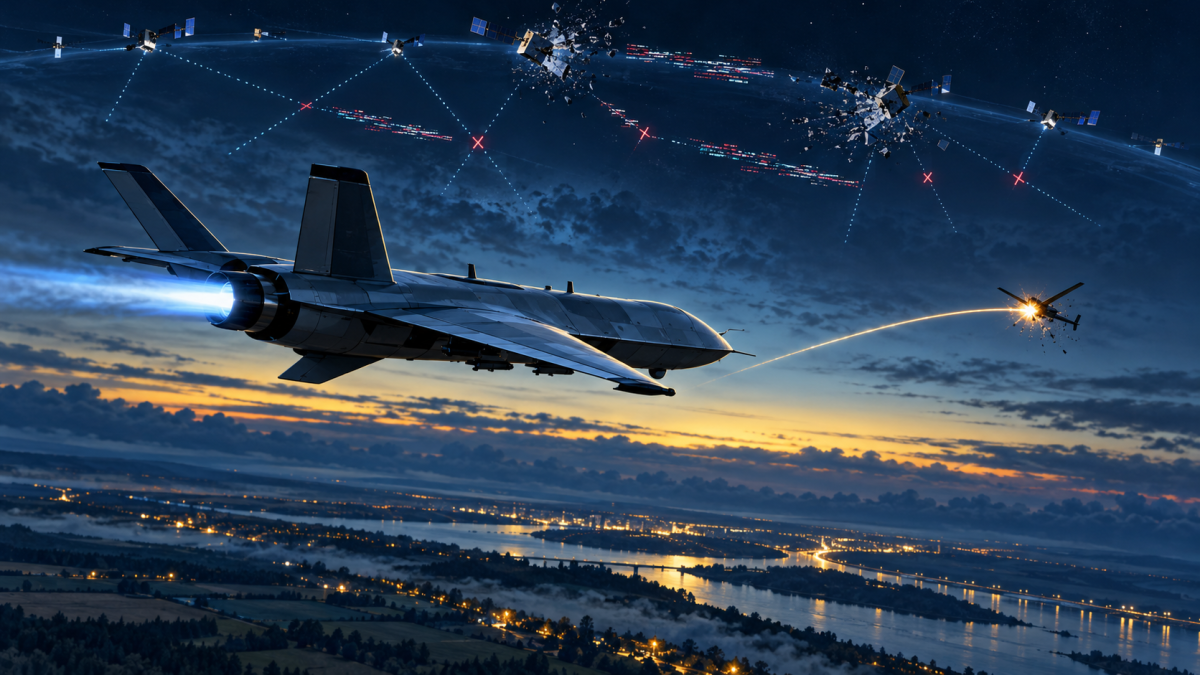
Table of Contents
Ukraine Improves Jet Powered Drone Interception Despite Satellite Disruptions
Poinews.com – Ukraine improves jet powered drone interception capabilities as Russia increasingly deploys faster Shahed-type attack drones, but recent satellite-service disruptions have shown how fragile those gains can be. Ukrainian air-defence units need reliable communications to track, coordinate and destroy fast-moving targets before they reach populated areas or critical infrastructure.
According to the Institute for the Study of War, Ukraine intercepted about 74% of high-speed Russian drones during disruptions to the US military-grade Starshield satellite service between 14 and 24 October. That was slightly below the roughly 77% rate recorded before the disruption, but substantially higher than the estimated 60% interception rate reported in early September.
Ukrainian officials said the restrictions affecting high-speed drone operations were lifted on 24 October. The episode nevertheless highlighted the operational importance of dependable satellite connectivity for interceptor-drone teams confronting threats that move much faster than conventional unmanned aircraft.
Faster drones leave less time to respond
Russia has expanded its use of jet-powered Shahed-type drones, which can travel far faster than propeller-driven versions. Their speed shortens the window available for Ukrainian crews to detect an incoming object, assess its flight path and select the right defensive response.
Ukraine improves jet powered drone defence through a layered system that includes interceptor drones, F-16 fighter aircraft and ground-based weapons. The effectiveness of that system depends on the location of an attack, weather conditions, the number of drones launched and the availability of equipment and communications.
Some individual air-defence formations have reported interception rates above 80%. Those results do not represent a national average, however, because performance can vary considerably between regions and units during large-scale attacks.
Satellite links support interceptor-drone operations
Many Ukrainian interceptor drones used against high-speed threats depend on Starshield connectivity. When those links are constrained, crews can face greater difficulty sharing targeting information, coordinating drone flights and reacting quickly enough to engage a target.
The October disruption did not reverse Ukraine’s progress, but it demonstrated the risks of relying on external communications infrastructure during periods of heavy Russian drone activity. Maintaining resilient connectivity is therefore central to sustaining the country’s air-defence performance.
The Institute for the Study of War has said Ukraine will need affordable, high-speed interceptor drones in far greater numbers to preserve and improve current results. The challenge is not only developing an effective interceptor, but producing enough systems to match Russia’s expanding use of fast attack drones.
F-16s provide another option, at a cost
F-16 aircraft can also intercept Russian drones using air-to-air missiles or onboard guns. Missiles can be effective, but an air-to-air missile may cost around $1 million, making it an expensive response to an unmanned target.
Gun engagements can reduce that cost, yet they demand considerable pilot skill and can expose aircraft and crews to greater risk. Using fighter jets against drones also adds maintenance pressure and may divert aircraft from other air-defence or combat missions.
Ground-based gun turrets installed in Kyiv and nearby areas provide an additional local layer of protection. They can be useful where attack routes are anticipated, although their effectiveness is shaped by the speed, altitude and direction of incoming drones.
FAQ: Ukraine’s Defence Against Jet-Powered Drones
Why are jet-powered drones harder to intercept?
Jet-powered drones move faster than propeller-driven models, leaving less time for detection, targeting and engagement. Air-defence teams must make decisions and launch interceptors within a much shorter period.
Why does satellite connectivity matter?
Satellite links can help interceptor-drone teams exchange information and coordinate responses to fast-moving targets. Disruptions can make those operations more difficult, even when crews and equipment remain available.
Does Ukraine improve jet powered drone interception across the country?
Ukraine has improved its overall ability to counter high-speed drones, but interception results differ by region and unit. National performance is affected by attack volume, geography, weather, available weapons and communications reliability.