WHO Europe chief urges fans to enjoy World Cup as US pushes for travel restrictions
WHO Europe Chief Urges Fans to Enjoy World Cup Amid US Travel Restrictions Global Health Authority Maintains Low Risk Assessment WHO Europe chief urges fans

WHO Europe Chief Urges Fans to Enjoy World Cup Amid US Travel Restrictions
Global Health Authority Maintains Low Risk Assessment
Poinews.com – Dr. Hans Kluge, the head of the World Health Organization’s Europe region, has issued a clear message to fans planning to attend the FIFA World Cup, emphasizing that the risk of an Ebola outbreak remains low. His statement underscores the organization’s confidence in the current public health measures, encouraging spectators to proceed with their travel plans. “There is no reason to change your plans,” Kluge said, urging fans to “travel as normal, stay informed, and enjoy the tournament.” This guidance comes despite growing pressure from the United States to impose stricter entry protocols for travelers from affected regions.
Case Trends and Regional Preparedness
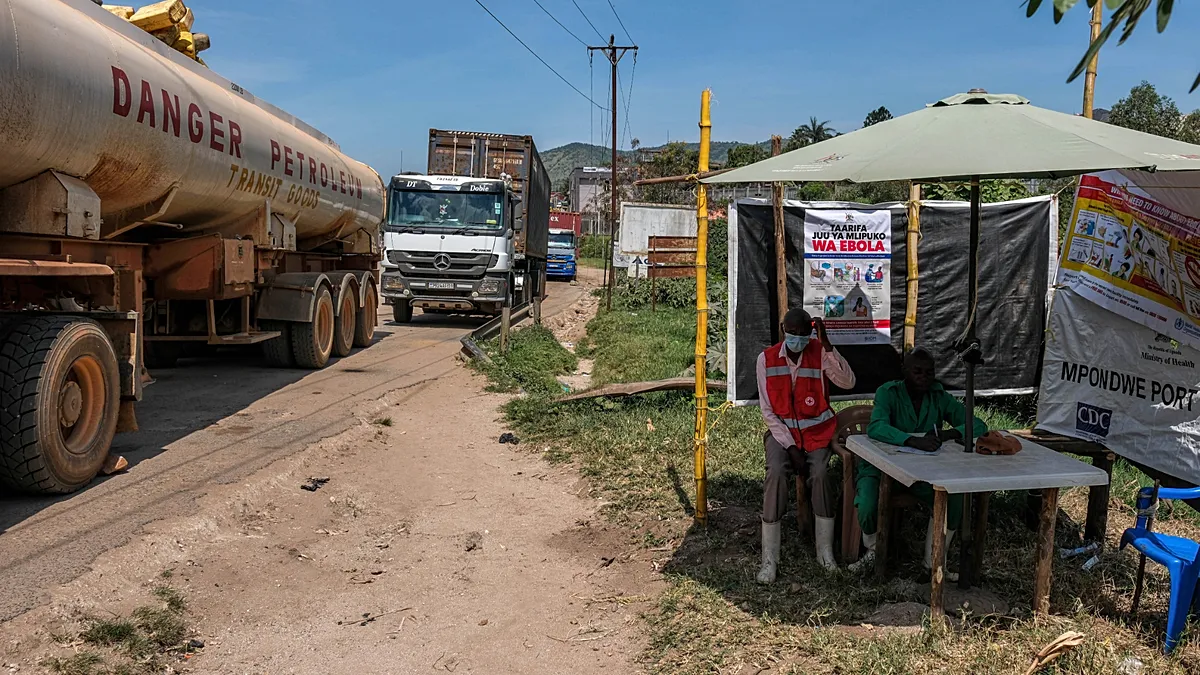
As of June 11, the Democratic Republic of Congo continues to report the highest number of confirmed Ebola cases, with 635 infections and 127 deaths recorded. Uganda, meanwhile, has documented 19 cases and two fatalities. Despite these numbers, the host nations of the World Cup—Canada, Mexico, and the United States—alongside European countries, have shown no signs of the virus spreading. Dr. Kluge highlighted that the outbreak is contained within specific regions, and the WHO Europe office is closely monitoring developments. “The situation is stable, and the risk of international spread is minimal,” he added, reinforcing the safety of attending the global event.
“The World Cup is a time for celebration, and health officials have done their part to ensure it remains safe for all participants,” said Kluge. He pointed out that the virus is not spreading rapidly in the regions where cases have been reported, and that the WHO’s ongoing surveillance has prevented any significant escalation. This reassurance is particularly important for fans from around the world, many of whom are eager to travel and experience the tournament firsthand.
US Pushes for Additional Travel Safeguards
While the WHO Europe chief offers a positive outlook, the United States has taken a more cautious stance, proposing travel restrictions to mitigate the risk of Ebola transmission. The Trump administration has already implemented entry bans for travelers from the Democratic Republic of Congo, South Sudan, and Uganda, citing both national security and public health concerns. “Our measures are designed to protect citizens and prevent any potential threat,” a State Department spokesperson told Euronews Health. This approach has sparked discussions among other nations about adopting similar protocols, with some questioning whether the restrictions are justified or overly stringent.
The US embassy in Belgium has actively advocated for additional safeguards, urging the country to consider implementing travel bans from affected regions. “Belgium should take proactive steps to ensure the safety of its population,” said the US ambassador to Belgium, Bill White. However, Belgium has remained steadfast in its decision to maintain current travel policies, citing the WHO’s assessment and its own preparedness to handle any potential cases upon arrival.
European Collaboration and Health Protocols
The European Commission has played a pivotal role in coordinating responses across member states, working closely with the World Health Organization and the European Centre for Disease Prevention and Control (ECDC). Officials emphasize that no new restrictions are necessary at this time, as the outbreak does not pose an immediate threat to Europe. “Our health ministers have evaluated the data and agree that the current measures are sufficient,” a Commission spokesperson confirmed. This collaborative effort aims to balance safety with the need for free movement, ensuring that the World Cup remains accessible to fans from all over the world.
Meanwhile, the ECDC has published updated guidelines for travelers, recommending routine health screenings and vaccination programs where applicable. These steps are intended to provide an extra layer of protection without disrupting the global flow of spectators. Dr. Kluge reiterated that Europe is well-equipped to respond to any outbreak, with healthcare systems prepared to handle cases efficiently and transparently.
Global Impact and Fan Confidence
The debate over travel restrictions has raised concerns about the potential impact on fan attendance and the overall atmosphere of the World Cup. With the tournament set to begin in late June, the WHO Europe chief’s reassurance is a critical factor in maintaining public confidence. “Fans are the lifeblood of the World Cup, and their safety is our priority,” Kluge said. However, the US’s insistence on stricter measures highlights the importance of international cooperation in managing health risks during large-scale global events.
As the world watches the World Cup unfold, the tension between public health caution and the spirit of international unity is evident. While the WHO Europe chief advocates for a relaxed approach, the US continues to push for enhanced vigilance. This dynamic underscores the need for clear communication and evidence-based decisions to ensure that both safety and excitement are prioritized for the fans and players alike.