Video. Congo motorcyclists mobilise as Ebola outbreak fuels fear
ls fear Congo motorcyclists mobilise as Ebola outbreak - In the face of a rapidly spreading Ebola outbreak, communities in eastern Congo have taken proactive

Video. Congo motorcyclists mobilise as Ebola outbreak fuels fear
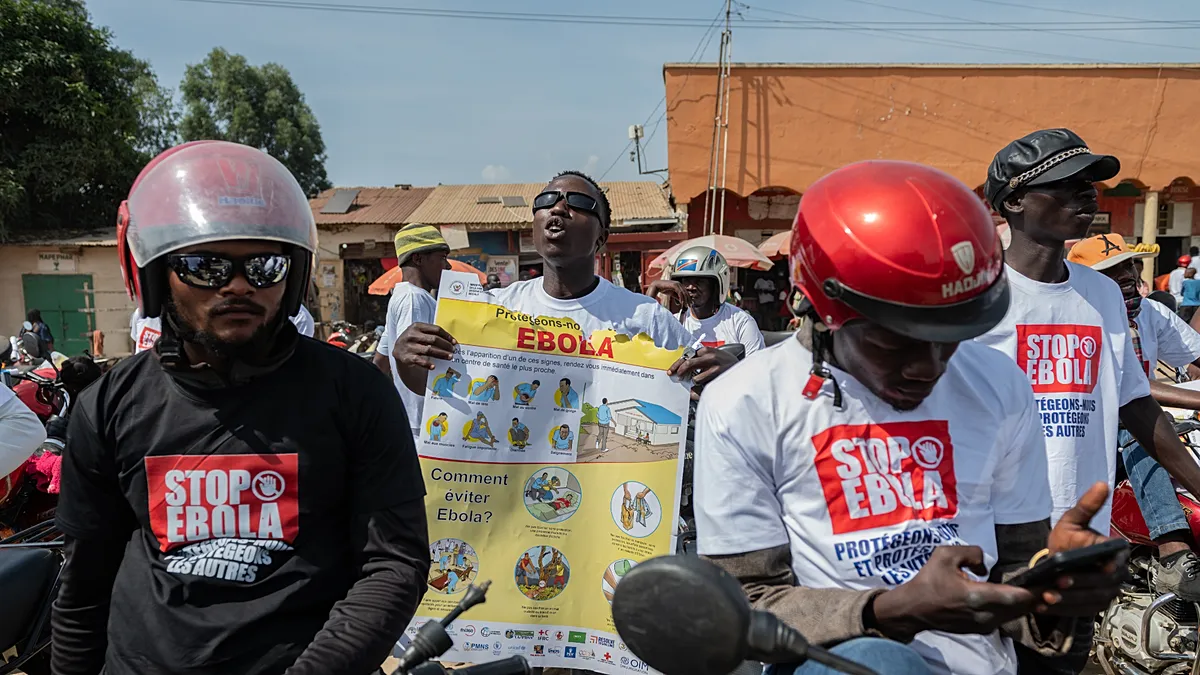
Poinews.com – In the face of a rapidly spreading Ebola outbreak, communities in eastern Congo have taken proactive measures to combat fear and misinformation. Motorcycle taxi drivers, a vital part of the region’s transportation network, have stepped up as frontline advocates for public health awareness. Their efforts, which began on Wednesday, aim to bridge the gap between medical authorities and local populations, ensuring critical information about Ebola prevention and treatment reaches even the most remote areas. This grassroots movement highlights how everyday individuals are leveraging their mobility to support a global health crisis.
The Crucial Role of Motorcyclists in Congo’s Transportation Network
Motorcycle taxis, known locally as *boda boda* services, are a lifeline for millions of people in eastern Congo, particularly in areas where roads are poorly maintained or infrastructure is limited. In Ituri province, where the Ebola outbreak has been most intense, these riders transport goods, medical supplies, and patients across difficult terrain. However, their role has taken on a new urgency as the virus spreads. Concerns about safety, stigma, and vaccine hesitancy have led to the formation of a unique coalition: motorcyclists working alongside health officials to disseminate accurate information and reduce panic among residents.
Combating Misinformation Through Community Engagement
As the Ebola outbreak continues to escalate, misinformation has become a significant obstacle to effective containment. Motorcyclists have joined forces with the World Health Organization (WHO) and local health authorities to address this challenge. By riding through densely populated areas like Bunia and Rwampara, they have delivered educational materials, conducted awareness talks, and shared updates on quarantine measures and vaccination drives. Their presence has been instrumental in reaching communities that might otherwise be isolated from official health messaging.
One of the key strategies employed by the motorcyclists is the use of social media platforms to amplify their message. They have created hashtags such as #EbolaAwarenessCongo and #SafeRideSafeHealth, encouraging residents to share knowledge about the virus. This digital campaign has not only increased visibility but also fostered a sense of collective responsibility. By positioning themselves as trusted messengers, the riders have helped dispel myths surrounding the disease, such as the belief that it is transmitted through the air or that it is a punishment from God.
Collaborative Efforts to Strengthen Public Health Response
The collaboration between motorcyclists and health officials has proven to be a powerful combination. Riders act as mobile hubs, distributing pamphlets, displaying posters, and even carrying small medical kits to aid in early detection. Meanwhile, health workers have used these networks to monitor movement patterns and identify high-risk areas. This synergy has allowed for a more dynamic and responsive approach to the outbreak, particularly in regions where traditional communication channels are under strain.
Health officials have praised the initiative, noting that the motorcyclists’ efforts have significantly improved community engagement. “Their reach is unparalleled,” said Dr. Jean-Pierre Mwambo, a WHO spokesperson. “By using trusted local figures, we’ve been able to build credibility and encourage people to take preventive measures seriously.” The initiative has also highlighted the importance of cultural relevance in public health campaigns. Motorcyclists, who are often seen as connectors and facilitators of daily life, have been able to communicate complex health guidelines in a way that resonates with everyday experiences.
The Broader Implications of the Motorcyclist Movement
While the immediate goal of the campaign is to combat fear, its long-term impact could extend beyond the current outbreak. The success of this initiative has inspired similar efforts in neighboring regions, where motorcycle taxi networks are also prevalent. Health organizations are now exploring ways to integrate these informal transport systems into broader emergency response frameworks. This approach could be particularly valuable in future outbreaks, as it allows for rapid deployment of information and resources to hard-to-reach populations.
Despite their growing role, the motorcyclists face challenges such as limited access to personal protective equipment and the risk of infection while traveling. However, they continue to adapt, using disinfectants and face masks to protect themselves and others. Their resilience underscores the importance of local innovation in global health crises. As the outbreak evolves, their efforts remain a critical component of the fight to contain the virus and restore public confidence in health systems.