Greece to bring in 5,000 Egyptian farm workers to close agricultural labour gap
Greece to Bring in 5,000 Egyptian Farm Workers to Address Labor Shortages Greece to bring in 5 000 Egyptian - Amid growing labor shortages in the agricultural

Greece to Bring in 5,000 Egyptian Farm Workers to Address Labor Shortages
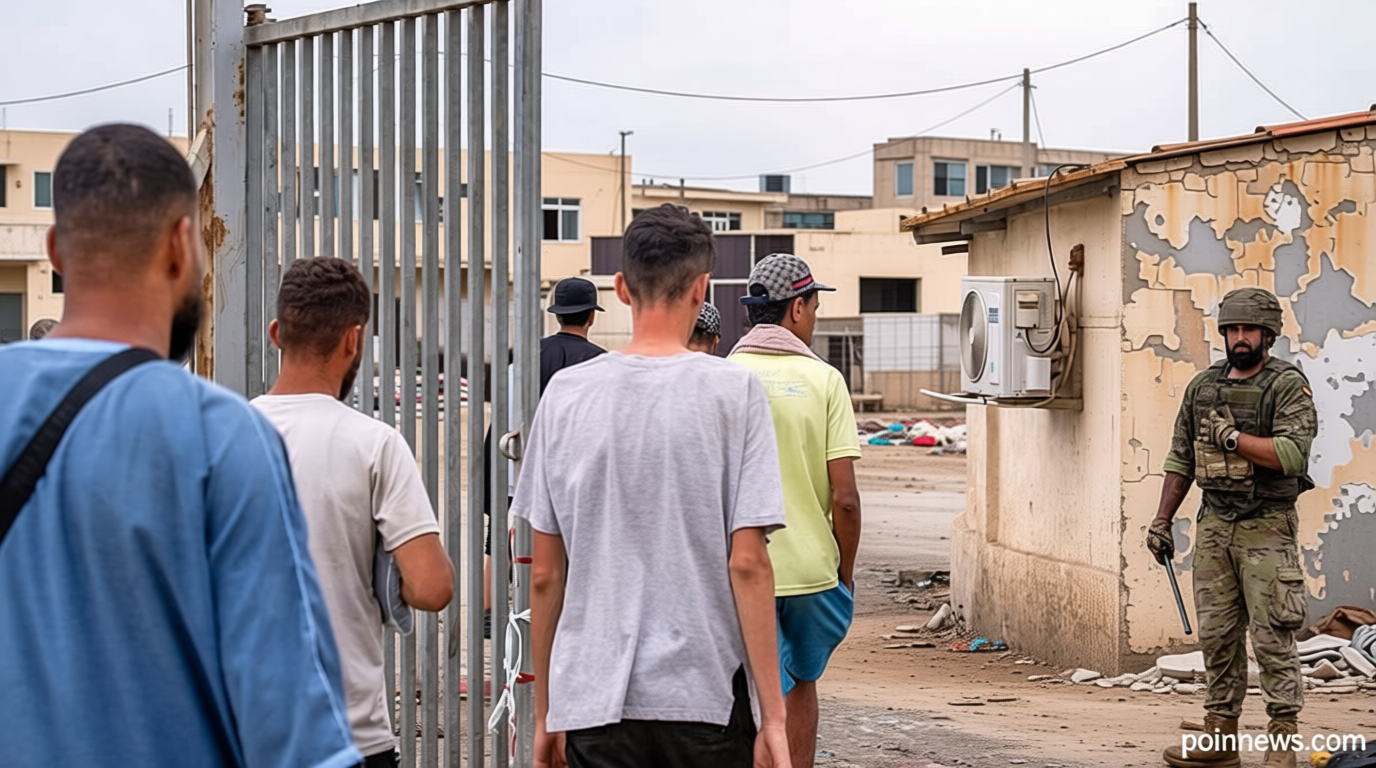
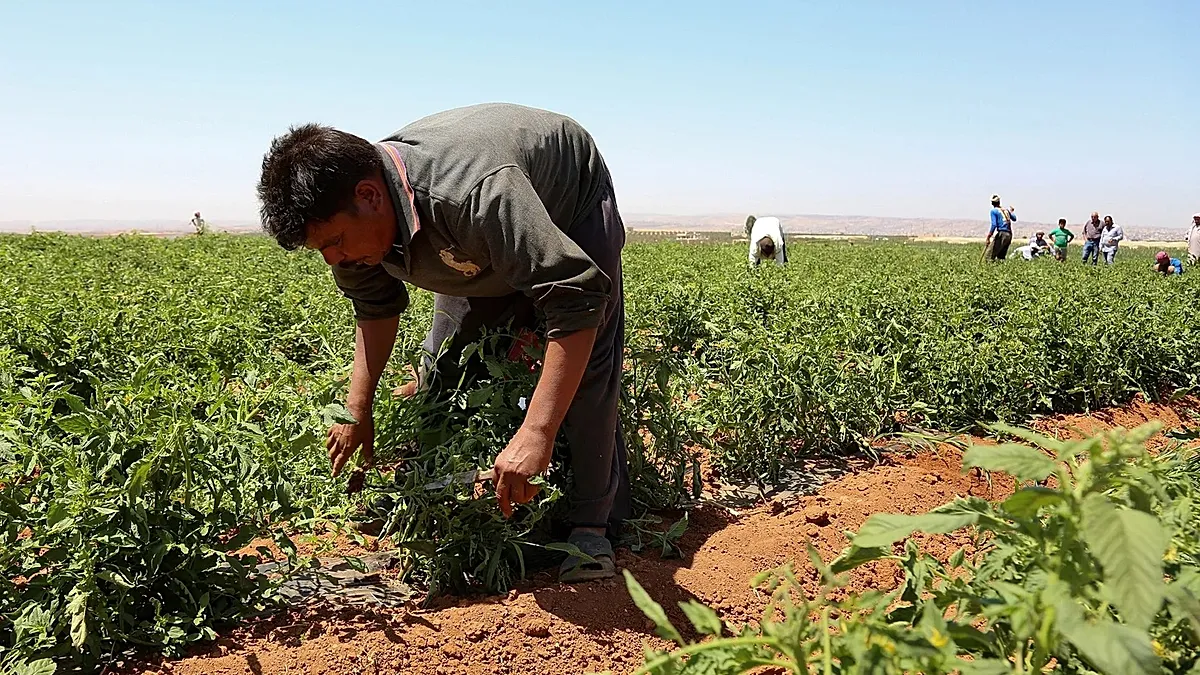
Poinews.com – Amid growing labor shortages in the agricultural sector across Western Europe, Greece has initiated a significant step to address its own challenges by reviving a bilateral agreement with Egypt. This partnership, which had been dormant for several years, is now moving toward active implementation, offering a structured solution to the persistent gap in seasonal workforce demand. The agreement aims to facilitate the legal employment of up to 5,000 Egyptian workers in Greek agricultural regions, marking a shift from informal labor practices to a formalized system.
Reviving a Strategic Partnership
The collaboration between Greece and Egypt has been designed to tackle the seasonal labor demands that have become increasingly critical for the country’s farming industry. Christos Giannakakis, a member of the Hellenic Union of Agricultural Cooperatives, confirmed that the process is already in motion. He explained that around 150 prospective workers have been registered with Greece’s Decentralised Administrations, and the necessary approvals for their employment have been dispatched to the Greek embassy in Cairo. This move ensures that all legal requirements are met before the workers are officially welcomed into the Greek workforce.
“The agreement that was signed about three years ago is now beginning to be put into practice,” Giannakakis said, highlighting that the initial target of 5,000 workers may be adjusted based on evolving needs. More than 36 employers have already expressed interest in participating, signaling a strong demand for the program.
The decision to prioritize Egypt as a labor source is rooted in the country’s demographic profile. With a population exceeding 110 million, Egypt boasts a relatively youthful workforce eager for employment opportunities abroad. Giannakakis noted that the Greek agricultural sector’s wage offers are a major draw for Egyptian workers, providing them with financial incentives to relocate. This dynamic not only supports Greece’s economic goals but also benefits the workers by offering them stable and legal employment conditions.
Structuring the Workforce
A crucial aspect of the agreement is its adaptability to seasonal demands. Workers will be able to move between different crops and regions in response to the harvest cycle, ensuring they remain employed throughout the year. For example, those working in peach and cherry orchards in northern Greece may transition to olive or kiwi farms in the south, depending on the timing of the harvest. The maximum length of stay for these seasonal laborers is set at nine months, a timeframe that aligns with the agricultural calendar.
After their initial period of employment, workers have the option to apply for a longer-term permit that could extend their stay up to five years. This flexibility allows for a more sustainable labor model, as Giannakakis explained: “Upon completing the first phase, workers may seek a renewed permit, requiring only a three-month absence before returning to Greece without restarting the entire process.” Such provisions aim to retain skilled laborers while maintaining a balance between employment needs and worker well-being.
“There is strong interest on the Egyptian side in people coming to work legally in Greece,” Giannakakis emphasized, underscoring the initiative’s focus on formalizing labor mobility. The goal, he added, is to meet market demands through organized channels rather than relying on unregulated migration routes.
The implementation of this program is not merely about filling immediate labor gaps. It represents a broader effort to institutionalize the process of international labor recruitment, ensuring it is both efficient and equitable. Giannakakis pointed out that the agreement includes detailed discussions on how to coordinate with Greek employers, streamline the transfer of workers, and establish clear communication channels. These logistical aspects were central to a recent meeting in Cairo, where representatives from both countries focused on practical steps to operationalize the plan.
The Egyptian deputy labor minister participated in these discussions, highlighting the mutual commitment to creating a seamless employment framework. This collaboration underscores the importance of Egypt as a strategic partner for Greece, particularly given the country’s need for reliable seasonal labor. The program also serves as a model for how Greece can engage with non-EU nations to address its labor challenges while maintaining control over immigration policies.
Enhancing Worker Conditions
While the primary objective is to secure labor for Greek farms, the agreement also prioritizes improving workers’ living conditions. Giannakakis stressed that the initiative includes provisions for subsidies related to ISO-box type prefabricated housing units, which could provide decent accommodation and essential hygiene facilities. These measures are intended to create a more humane working environment, encouraging long-term participation and reducing the risks associated with temporary migration.
Living standards are seen as a critical factor in retaining a stable and returning workforce. By ensuring that workers have access to adequate housing, healthcare, and rest periods, Greece aims to build a positive reputation for its agricultural labor market. This, in turn, could help attract more Egyptian workers in the future, as well as other international labor sources. Giannakakis emphasized that the program’s success hinges on its ability to balance economic needs with social responsibilities.
Challenges and Progress
Despite the progress made, administrative and bureaucratic obstacles remain. Giannakakis acknowledged that streamlining procedures is essential to ensure the program operates smoothly. He noted that patience and continued effort are required to navigate the complexities of cross-border employment agreements. However, he remains optimistic that the system will eventually allow for faster and more efficient processing, making it easier for workers to join the Greek agricultural sector.
The initiative has garnered attention from European organizations, which are evaluating its potential as a blueprint for similar agreements. Giannakakis suggested that the cooperation model between Greece and Egypt could be replicated with other countries, offering a scalable solution to labor shortages. This approach not only strengthens Greece’s ties with Egypt but also positions it as a leader in fostering legal labor mobility across the Mediterranean.
As the program moves forward, it will serve as a test case for how Greece can address its agricultural labor challenges while maintaining international partnerships. The success of this initiative could have long-term implications for both the Greek economy and the livelihoods of Egyptian workers, demonstrating the potential for structured immigration to support mutual growth. With over 36 employers already on board and ongoing discussions in Cairo, the agreement is gaining momentum, setting the stage for a more organized and sustainable labor recruitment strategy.
For Greece’s primary sector, this agreement represents a pivotal moment in addressing the growing demand for seasonal labor. By creating a legal pathway for Egyptian workers, the country aims to ensure that its agricultural industry can thrive without relying on informal networks. The program’s emphasis on fair wages, safe working conditions, and structured employment also aligns with broader efforts to modernize Greece’s labor policies. As Giannakakis noted, the initiative is a step toward a more resilient and cooperative approach to managing workforce needs in a competitive global market.