Europe depends on China. Here’s where China still depends on Europe — more than you’d think
ere's Where the Balance Still Tips Europe depends on China Here s where - Europe depends on China here more than many realize, with critical dependencies

Europe Depends on China: Here’s Where the Balance Still Tips
Poinews.com – Europe depends on China here more than many realize, with critical dependencies spanning technology, energy, and manufacturing. While the EU has imposed trade restrictions to curb China’s influence, the continent remains deeply intertwined with Chinese supply chains. From advanced semiconductors to specialized aerospace components, Europe’s reliance on China persists in key sectors. This dynamic highlights a complex interdependence that continues to shape global economic and geopolitical strategies.
Strategic Tech Reliance and the EU’s 15th Five-Year Plan
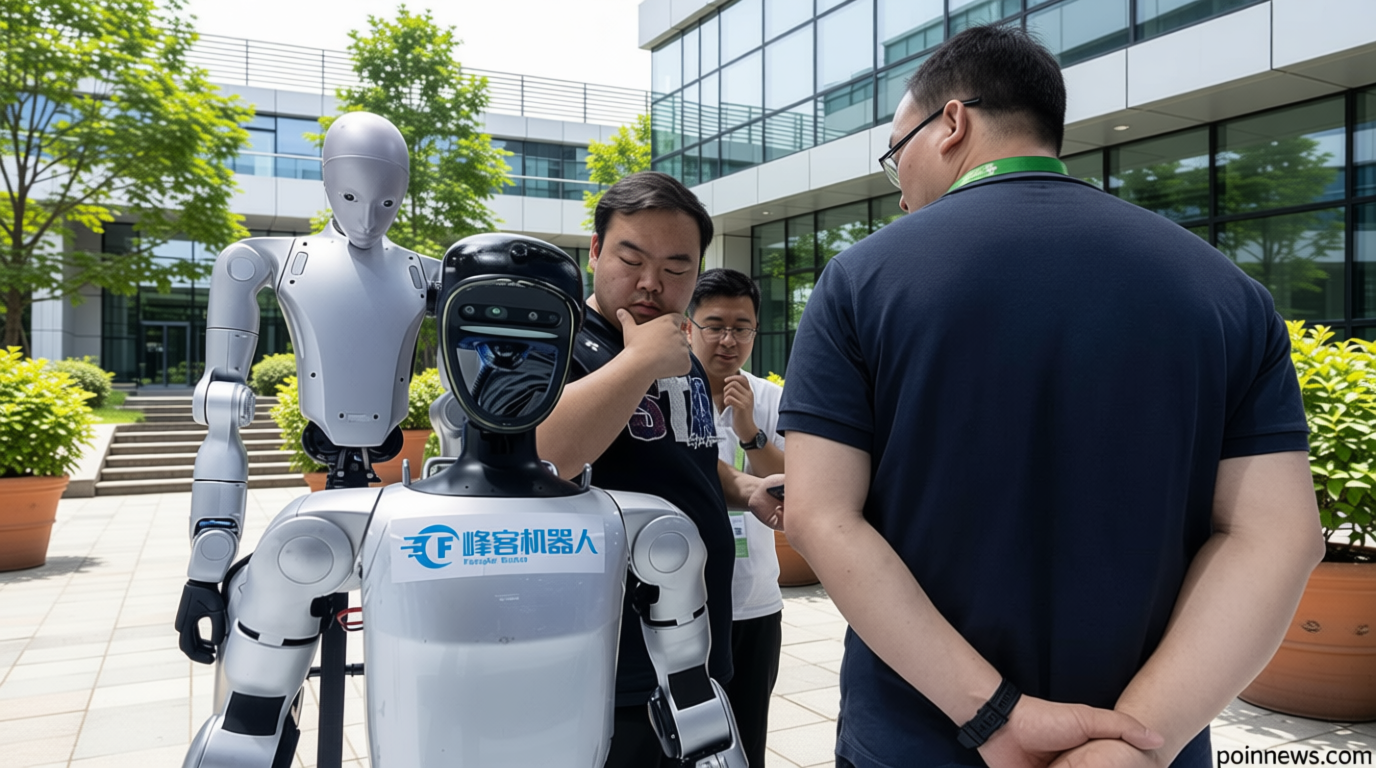
China’s 15th Five-Year Plan, launched in March 2026, outlines ambitions to achieve self-sufficiency in strategic technologies by 2030. However, the plan also underscores Europe’s critical role in maintaining technological ecosystems. European firms like ASML, Safran, and Liebherr Aerospace remain indispensable, supplying advanced tools and components that China cannot yet fully replicate. Europe depends on China here, not just as a supplier but as a partner in innovation and global standards.
“China’s technological advancements are impressive, but its reliance on European expertise in maintenance and certification creates a unique vulnerability,” remarked Tobias Gehrke of the European Council on Foreign Relations. “Europe depends on China here, but it also holds the key to China’s progress in critical areas.”
The semiconductor industry exemplifies this interdependence. ASML, the Dutch firm with a market value surpassing €630 billion in 2026, continues to dominate the production of extreme ultraviolet (EUV) lithography machines. These tools are essential for manufacturing cutting-edge chips used in AI, electric vehicles, and next-gen electronics. While the EU has tightened export controls, China still relies on European suppliers for maintenance, repairs, and advanced technical support. This reliance gives Europe leverage, even as it navigates its own dependencies on Chinese markets.
Pharmaceuticals and the Global Health Supply Chain
Europe’s dependence on China extends beyond hardware to the pharmaceutical sector. China is a major producer of active pharmaceutical ingredients (APIs) and medical equipment, supplying over 60% of the EU’s raw materials for drugs. This includes critical components for vaccines, painkillers, and biologics. While the EU has diversified some supply chains, it remains heavily reliant on China for specialized manufacturing processes, particularly in rare earth elements used in medical imaging and battery technologies.
“The EU’s pharmaceutical industry is still heavily dependent on China for certain APIs and manufacturing infrastructure,” said Sam Goodman of the Martens Centre. “Europe depends on China here, especially in areas where domestic production is not yet viable.”
China’s control over these supply chains means it could exert pressure on Europe during global health crises or geopolitical tensions. The EU has started investing in domestic production, but the transition is slow. Meanwhile, China is expanding its pharmaceutical capabilities, aiming to reduce reliance on foreign technology while maintaining its position as a global leader in drug manufacturing.
Energy and Raw Materials: A Mutual Dependency
Europe’s energy transition hinges on Chinese investments in renewable technologies and battery production. Chinese companies supply over 80% of the EU’s lithium and cobalt, vital for electric vehicles and energy storage. This flow of raw materials underscores Europe’s reliance on China for green energy initiatives. In return, Europe offers a stable market for Chinese exports, from machinery to consumer goods.
“The energy transition is a two-way street,” noted Gehrke. “Europe depends on China here for critical raw materials, but China also depends on Europe’s demand to sustain its industrial growth.”
Despite efforts to secure alternative suppliers, Europe’s reliance on China for raw materials remains significant. The EU has also invested in infrastructure projects in China, such as high-speed rail and industrial zones, creating a reciprocal economic relationship. This interdependence means that disruptions in one direction could ripple across multiple sectors, affecting both continents’ growth trajectories.
Geopolitical Implications and Future Outlook
The balance of power between Europe and China is shifting, but not entirely. While the EU seeks to reduce its dependence through initiatives like the Chips Act and the Critical Raw Materials Act, it still faces challenges in replacing Chinese suppliers. China, on the other hand, is investing heavily in Europe, with partnerships in research, infrastructure, and trade. This creates a scenario where Europe depends on China here for innovation and market access, even as it aims to assert greater autonomy.
Experts warn that Europe’s reliance on China could be a strategic risk. “China’s growing influence in Europe’s tech and energy sectors means it can influence policy decisions, even as Europe tries to limit its own exposure,” said Goodman. The next decade will likely see Europe depends on China here more than it currently acknowledges, as both sides navigate a delicate dance of cooperation and competition.
As the EU refines its trade policies and invests in domestic production, the relationship will continue to evolve. Europe depends on China here not just for goods, but for access to global markets and technological expertise. China, in turn, relies on Europe’s stability and demand to fuel its own economic growth. This mutual dependency ensures that both regions will remain key players in shaping the future of international trade and innovation.