Germany’s Merz announces sweeping reforms: Tax cuts, pension overhaul and new sick leave rules
Germany's Merz Proposes Major Reforms: Tax Cuts, Pension Overhaul, and Sick Leave Adjustments Germany s Merz announces sweeping reforms - Germany's Merz

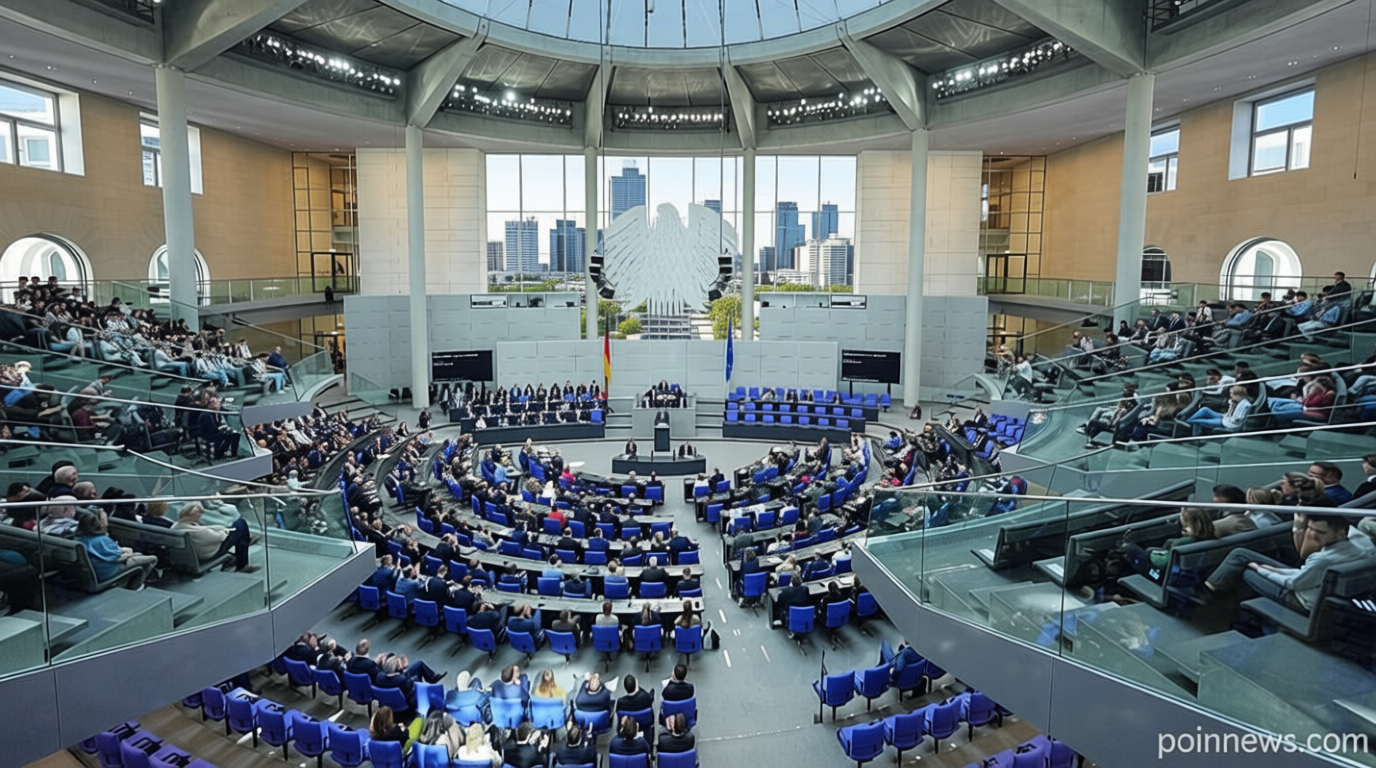
Germany’s Merz Proposes Major Reforms: Tax Cuts, Pension Overhaul, and Sick Leave Adjustments
Poinews.com – Germany’s Merz announces sweeping reforms as part of a bold economic strategy aimed at addressing long-standing challenges in the country’s social and fiscal systems. The comprehensive package, unveiled by Chancellor Friedrich Merz during a pivotal Berlin press conference, encompasses a range of initiatives designed to reduce household financial burdens, modernize the pension framework, and introduce stricter measures for employee absenteeism. These reforms are expected to reshape Germany’s economic landscape, balancing growth incentives with long-term stability. The coalition government, composed of the CDU, CSU, and SPD, has prioritized these changes to foster a more adaptable and resilient economy.
Key Tax Reforms and Distribution Adjustments
The tax adjustments, a cornerstone of the reforms, aim to alleviate pressure on middle- and lower-income households while maintaining fiscal responsibility. Middle-income earners will see a reduction of up to €600 per year in their tax obligations, with the policy targeting families earning an average of €45,000 annually. Germany’s Merz announces sweeping reforms that include a tiered structure for higher earners, raising the top tax rate to 47% for those surpassing €280,000 in annual income. This shift is intended to ensure that wealthier individuals contribute proportionally more to the national coffers without disproportionately impacting working families.
“The reforms are a clear step toward fairness, ensuring that businesses and employees share the tax burden equitably,” Merz stated. “Germany’s Merz announces sweeping reforms that will create a more balanced approach to taxation, supporting both economic growth and social equity.”
Analysts suggest these changes could stimulate consumer spending and attract investment. The coalition estimates the annual tax relief will amount to €10 billion, reflecting a commitment to both immediate relief and structural fiscal adjustments. SPD vice-chancellor Lars Klingbeil endorsed the plan, though the debate over wealth tax increases remains a point of contention between the Christian Democrats and Social Democrats, highlighting the complexity of the reform process.
Pension System Modernization and Retirement Age Adjustments
A major component of the package is the overhaul of the pension system, which has faced increasing pressure due to demographic shifts and funding concerns. The reforms propose a gradual increase in the retirement age, aligning it with the rising life expectancy of Germans. By 2035, the retirement age will rise to 67 for most workers, with adjustments based on individual career trajectories. Germany’s Merz announces sweeping reforms that are designed to prevent future pension cuts and reduce the long-term financial strain on public resources.
Labour Minister Bärbel Bas (SPD) praised the pension changes as a “strategic move to ensure the sustainability of social security.” Merz emphasized that the reforms incorporate expert recommendations, aiming to preserve pension benefits while adapting to the evolving economic environment. The plan also includes measures to encourage private pension contributions, reinforcing the government’s dual focus on public and private sector responsibility.
Sick Leave Policy and Productivity Measures
To address concerns over absenteeism, the new sick leave rules mandate medical certification for all days off, starting from the first day of absence. This change replaces the previous system, which allowed employees to take up to three unpaid days or request a sick leave letter after a week without a doctor’s note. Germany’s Merz announces sweeping reforms that are projected to reduce misuse of time off and enhance workplace efficiency.
Merz argued that high sick leave rates have historically hampered productivity, particularly in sectors reliant on consistent labor. Employers will now require formal documentation of illness from the outset, with potential penalties for repeated non-compliance. While some labor unions have raised concerns about the impact on workers’ flexibility, the government maintains that the policy will ultimately benefit both employers and employees by promoting accountability and reducing economic losses due to unverified absences.
Additional Economic Initiatives and Structural Adjustments
Complementing the tax and pension reforms, the package also includes measures to enhance economic flexibility. These include expanding fixed-term contracts, which are expected to provide more employment opportunities for young workers and part-time employees. Additionally, Sunday working hours will be extended to accommodate businesses in need of more operational hours, particularly in retail and service industries. Germany’s Merz announces sweeping reforms that are designed to streamline administrative processes and reduce bureaucratic hurdles for enterprises.
The coalition has also introduced a temporary ban on nationalizing housing companies, a move intended to provide clarity for investors and simplify regulations. This decision reflects broader efforts to stabilize the financial sector and promote confidence in Germany’s economic direction. By combining these measures, the government hopes to create a more dynamic and competitive environment for both businesses and workers.
Political Implications and Public Reception
The reforms have sparked mixed reactions across political parties. While the coalition has framed the package as a necessary step toward economic resilience, critics argue it falls short of addressing deeper systemic issues. Alice Weidel, co-leader of the far-right AfD, criticized the plan as a “progressive redistribution with minimal compromises,” suggesting it fails to deliver significant change to the country’s fiscal landscape. Germany’s Merz announces sweeping reforms that are seen as a response to the party’s growing influence, especially ahead of state elections in Saxony-Anhalt, Berlin, and Mecklenburg-Western Pomerania.
Meanwhile, public opinion remains divided. Some citizens have welcomed the tax cuts and pension adjustments as tangible benefits, while others express concerns about the increased retirement age and stricter sick leave rules. The government’s ability to maintain support for these reforms will depend on their long-term effectiveness in addressing economic challenges and improving living standards. As Germany’s Merz announces sweeping reforms, the nation watches closely to see how they will shape the future of its social and economic policies.