Volkswagen faces crunch talks over 100,000 job cuts and factory closures
Volkswagen's Restructuring Plans Under Scrutiny Volkswagen faces crunch talks over 100 000 - On Thursday, Volkswagen Group's leaders will convene to address a

Volkswagen’s Restructuring Plans Under Scrutiny
Poinews.com – On Thursday, Volkswagen Group’s leaders will convene to address a pivotal restructuring strategy, which includes potential job cuts of 100,000 positions and factory closures. This decision comes amid growing pressure from multiple factors, including U.S. tariffs, reduced profitability in electric vehicle production, and fierce competition in China, the globe’s largest car market. Workers across Germany are already demonstrating against the proposals, with protests planned outside key plants.
Existing Cuts and New Proposals
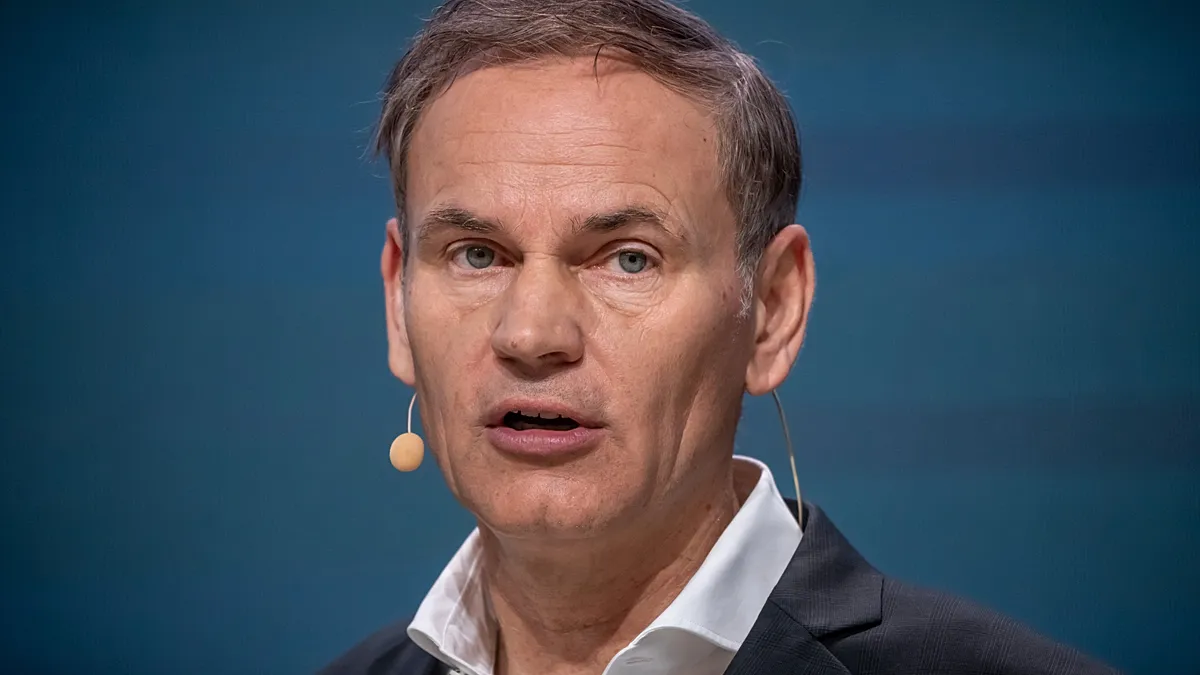
Volkswagen has already committed to reducing 50,000 jobs in Germany by 2030, primarily within its core brand. This agreement, reached with unions in late 2024, initially promised to avoid plant closures in the country until the end of the decade. However, CEO Oliver Blume is now exploring further reductions, targeting 100,000 global roles—around 16% of the workforce—and shuttering three Volkswagen factories in Germany, along with one Audi plant, according to reports from Manager Magazin.
Unions and Political Challenges
Christiane Benner of the influential IG Metall union warned that the company would resist the plans “with all our might.” The union is mobilizing workers for demonstrations across Germany as the supervisory board deliberates. While the meeting may not yield immediate action, it could trigger prolonged negotiations involving management, labor representatives, and political stakeholders over future layoffs and facility closures.
Manager Magazin suggests the board might approve closing four German sites—Hanover, Emden, Zwickau, and Audi’s Neckarsulm plant—alongside additional job reductions. Blume has also proposed shifting production of China-focused models to underused German facilities, a strategy that could delay plant closures. Another option involves halting new model assignments to certain plants, allowing for a gradual phase-out of production. Underused factories might later be repurposed for defense manufacturers.
The supervisory board typically includes 20 members, split evenly between shareholders and employees. However, recent resignations have shifted power to labor representatives, who now hold a majority. Lower Saxony, home to Volkswagen’s Wolfsburg headquarters and six factories, could block major decisions due to its significant stake. If approved, the cuts would reduce the company’s global workforce of approximately 630,000 by 15%, exceeding previous industry-scale reductions like General Motors’ nearly 50,000 job losses during its 2009 restructuring.
Industry-Wide Pressures
Germany’s broader automotive sector, including BMW and Mercedes-Benz, has similarly faced job cuts and operational changes to adapt to shifting market demands and heightened competition. A Volkswagen spokesperson, speaking to AFP, emphasized the need to “enhance competitiveness” and “tighten cost and investment controls.” Blume has repeatedly called the situation dire, stating earlier this year that the company must evolve or face decline.
“Our business model of the past decades is no longer viable,” Blume declared in a March letter, as cited by AFP.
The automaker also faces financial strain from higher U.S. car tariffs, projected to cost €5bn annually. Audi and Porsche, lacking U.S. manufacturing facilities, are particularly vulnerable. In China, competition from domestic brands has driven Volkswagen’s vehicle sales to their lowest level since 2011. Tu Le of Sino Auto Insights noted to AFP, “The fall for German automakers has been really abrupt,” highlighting the rapid decline in the region’s market share.