Germany puts the squeeze on Lime and Bolt with tougher e-scooter liability rules
Germany puts the squeeze on Lime with new e-scooter liability rules Germany puts the squeeze on Lime - Germany is tightening the grip on e-scooter operators

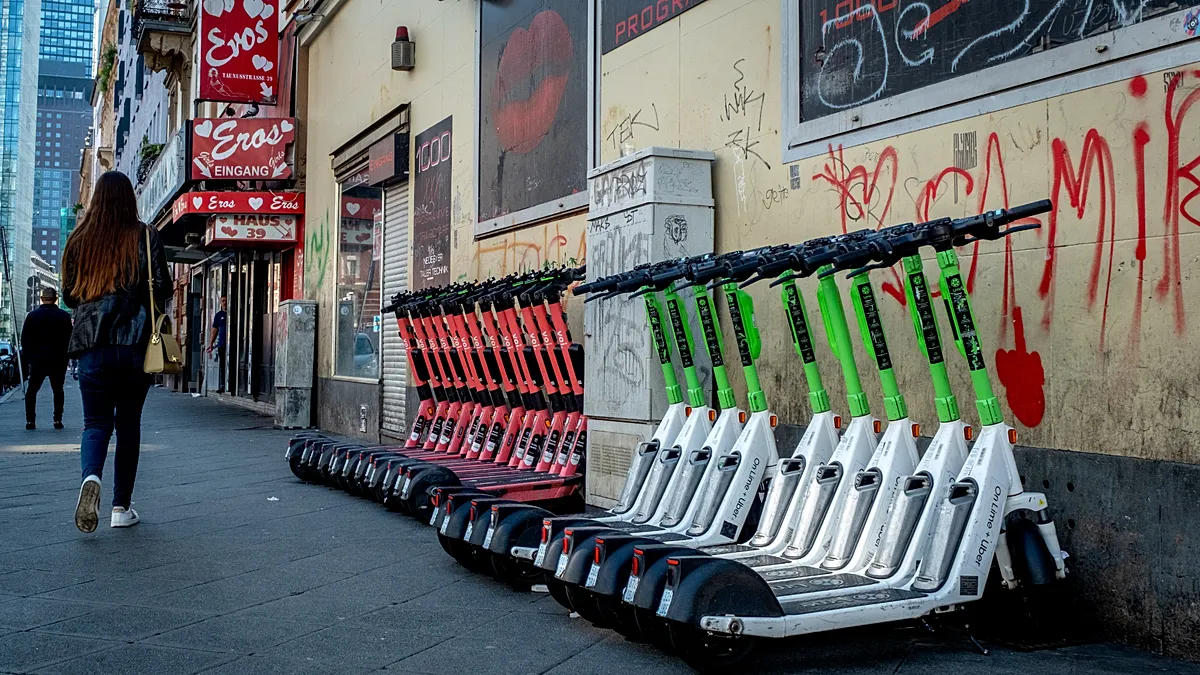
Germany puts the squeeze on Lime with new e-scooter liability rules
Poinews.com – Germany is tightening the grip on e-scooter operators like Lime, introducing stricter liability measures to make it easier for accident victims to claim compensation. The new rules shift responsibility from riders to companies such as Lime and Bolt, ensuring that operators bear the burden of accidents even if the rider was at fault. This change aims to close a legal loophole that has made it difficult for victims to secure justice in shared scooter incidents. With the e-scooter market booming, the government is seeking to balance innovation with accountability, making Germany a key player in shaping the future of urban mobility regulations.
New Liability Framework
Under the revised legislation, e-scooter operators will be strictly liable for accidents caused by their fleet, regardless of rider behavior. This means that victims no longer need to prove the rider’s negligence to claim compensation. Instead, operators will be held responsible unless they can demonstrate that the incident was due to an unforeseen circumstance. The law also extends liability to include third-party damages, such as injuries to pedestrians or damage to property, with the goal of ensuring comprehensive coverage for all accident-related claims.
“The economic benefits of these services should not come at the expense of public safety,” said a spokesperson from the German Federal Ministry for Justice and Consumer Protection. “By holding operators accountable, we ensure that the risks associated with their operations are fairly distributed.”
The shift in liability is part of a broader effort to address rising concerns about the safety of shared e-scooters. While e-bikes remain exempt from these rules, e-scooters and similar devices are now subject to stricter oversight. The German Insurance Association reported that the number of insured e-scooters increased from 180,000 in 2020 to 990,000 in 2023, highlighting the rapid growth of the market. This expansion has led to a surge in third-party damage claims, which rose from 1,150 in 2020 to 5,000 in 2024, with rental scooters contributing to nearly 40% of these cases despite representing just 20% of all insured units.
Implications for E-Scooter Operators
The new liability rules will have a significant impact on companies like Lime and Bolt, which now face greater financial exposure in the event of accidents. Operators will be required to carry higher insurance coverage, potentially increasing their operating costs. This change could also lead to stricter safety standards for e-scooter design and maintenance, as companies may need to invest more in preventing incidents. Industry analysts suggest that the rules may force operators to implement better training programs for riders or enhance their vehicle inspection protocols to minimize liability.
“These measures will not only protect victims but also encourage operators to prioritize safety,” noted a report from the European Transport Association. “The added pressure could lead to more responsible management of shared scooter services.”
For riders, the change means they can no longer be solely blamed for accidents, which may reduce the stigma associated with using e-scooters. However, it also means that companies will need to address issues such as improper charging of lithium-ion batteries, which have been identified as a growing safety risk. The German government has emphasized that the updated framework will ensure that the growing number of shared scooter users can rely on a fair and consistent system for compensation, particularly as more people opt for these eco-friendly transportation options.
Risks and City Responses
Concerns about e-scooter safety have already prompted several European cities to take action. Paris, for example, temporarily suspended rental services in 2023 after a public vote, citing safety issues and poor infrastructure. Madrid followed suit in 2024, revoking operator licenses due to inadequate control over usage and parking. Prague and Brussels have also introduced restrictions, with Prague removing e-scooters from its streets in January 2026 and Brussels planning to do the same in January 2027. These city-level measures complement the national liability reforms, signaling a coordinated effort to manage the risks of e-scooter proliferation.
Germany’s decision to focus on Lime and Bolt is part of a strategy to hold the largest players in the market accountable. By targeting these companies specifically, the government hopes to set a precedent for stricter regulations across the industry. The move also aligns with public demand for safer streets, as incidents involving e-scooters have raised questions about their role in urban traffic. With the number of e-scooters on German roads growing rapidly, the new rules are expected to create a more level playing field for all stakeholders, from riders to insurers.
Public Reaction and Industry Response
The new liability rules have sparked mixed reactions. Consumer advocacy groups have praised the change, calling it a step toward fairer compensation for accident victims. However, some e-scooter operators argue that the rules may stifle innovation and discourage investment in the sector. Lime and Bolt, in particular, have faced criticism for their perceived lack of safety measures, and the updated regulations could force them to rethink their operational strategies. Public officials, on the other hand, emphasize that the measures are necessary to ensure the long-term viability of shared mobility while protecting road users.
Industry experts suggest that the rules will encourage operators to adopt more rigorous safety protocols. For example, companies may need to invest in better battery technology to reduce fire hazards or improve rider education to minimize accidents. The German government has also announced plans to introduce additional measures, such as mandatory speed limits for e-scooters in certain areas, to further enhance road safety. These efforts underscore Germany’s commitment to balancing the benefits of e-scooter use with the need for greater accountability.
Broader Implications for Urban Mobility
Germany’s actions could influence e-scooter regulation across Europe. As one of the largest markets for shared mobility, the country’s stricter liability rules may set a new standard for other nations to follow. This could lead to a wave of similar reforms, ensuring that operators are held responsible for accidents caused by their vehicles. The focus on Lime and Bolt highlights the government’s intention to target companies that have seen rapid growth without corresponding safety improvements, potentially reshaping the competitive landscape of the e-scooter industry.
For riders, the shift in liability may provide greater protection, but it also means that operators will need to ensure their vehicles meet higher safety standards. This could lead to a more cautious approach from companies, such as offering helmets or implementing stricter user guidelines. Meanwhile, insurance providers are preparing for increased claims, which may result in higher premiums for e-scooter users. Despite these challenges, the German government remains confident that the new rules will create a more equitable and sustainable model for shared mobility, ensuring that both riders and operators share the responsibility of safety on public roads.