Belgium to introduce new road tax in 2027 even for transiting drivers, regions say
Belgium Introduces New Road Tax in 2027, Including Transiting Drivers Belgium to introduce new road tax - Belgium is set to roll out a groundbreaking road tax

Belgium Introduces New Road Tax in 2027, Including Transiting Drivers
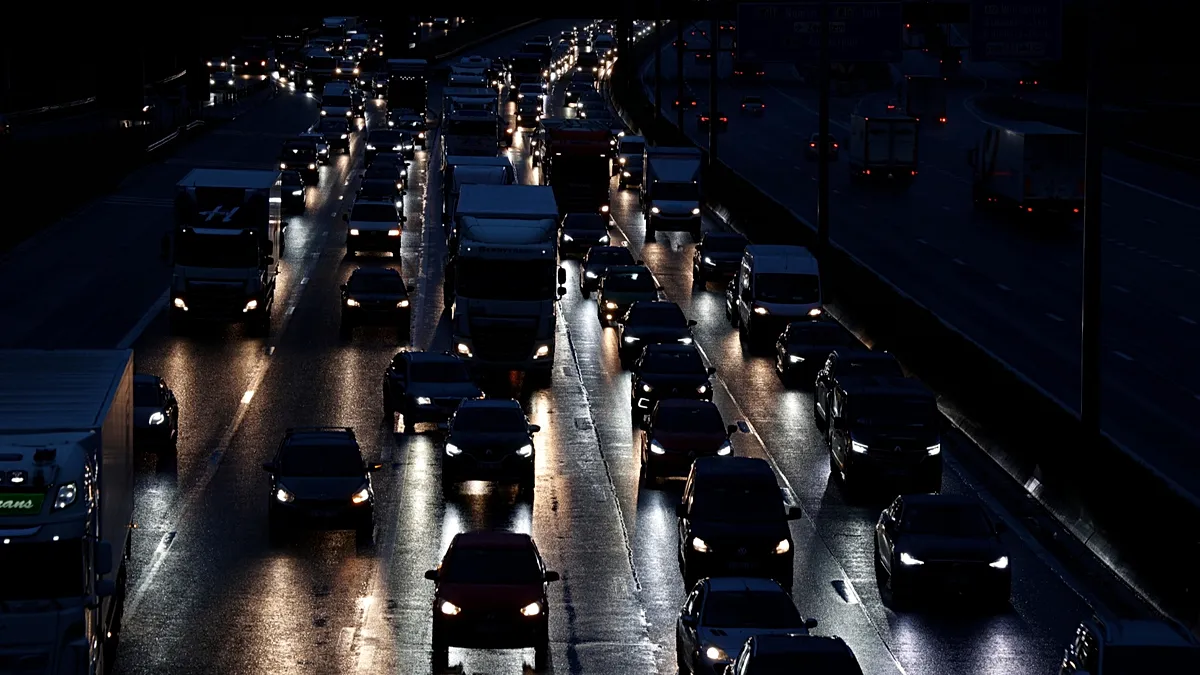
Poinews.com – Belgium is set to roll out a groundbreaking road tax initiative starting on 1 May 2027, which will apply to all vehicles using the country’s highways, regardless of whether they are driven by residents or transiting through the region. This policy, proposed by regional authorities, marks a significant shift from Belgium’s current toll-free system for most motorways. The decision has sparked debate among drivers and policymakers, as it aims to generate sustainable funding for road infrastructure while addressing environmental concerns tied to vehicle emissions. The focus keyword “Belgium to introduce new road tax” will play a central role in shaping this new framework, which is expected to impact both domestic and international traffic flows.
The Rationale Behind the New Road Tax
Regional governments, responsible for managing road networks, have long argued that a more equitable funding model is necessary to support the upkeep of Belgium’s transportation system. “The existing toll-free policy has created a situation where some drivers pay nothing for road usage, while others bear the full cost,” explained a spokesperson from the Walloon Region. This new tax is designed to ensure that all road users contribute fairly, even those who only pass through the country temporarily. The policy also aligns with broader efforts to reduce carbon emissions, as higher-polluting vehicles will face steeper fees, incentivizing a shift toward eco-friendly transportation. While the focus keyword “Belgium to introduce new road tax” is central to the policy, its implementation will require careful coordination across regional and national levels.
Details of the Road Tax Structure
Under the proposed system, drivers will be required to register their vehicles and pay an annual fee based on their emissions levels. Zero-emission vehicles, such as electric cars, will be charged a flat rate of €90 per year, while those with higher environmental impact, including diesel and gasoline models, may pay up to €125 annually. To accommodate short-term users, day passes will be introduced, allowing drivers to pay a single fee for a 24-hour period. This flexible approach aims to balance the needs of both permanent residents and transiting traffic. The focus keyword “Belgium to introduce new road tax” will also appear in discussions about how the tax will be integrated with existing road maintenance budgets, ensuring that revenue is directly tied to infrastructure improvements.
Automated road cameras will be deployed to enforce compliance, with fines of €70 imposed on vehicles caught without a valid pass. This measure is intended to deter non-payment and streamline the collection process. The regions have emphasized that the tax will be a key component of their long-term strategy to reduce congestion and promote sustainable mobility. While the exact distribution of funds between regions and the federal government remains under discussion, the goal is to allocate resources more efficiently. The focus keyword “Belgium to introduce new road tax” will also be used in explaining how this policy builds on previous proposals, which had been debated for several years before gaining final approval.
Regional Responses and Public Reaction
Regional leaders have expressed confidence in the policy, highlighting its potential to modernize Belgium’s transportation funding model. However, some drivers have raised concerns about the financial burden, particularly for those who only use the country’s roads for brief periods. “We need to ensure that the new tax is fair and transparent,” said a representative from the Brussels-Capital Region. The policy also faces scrutiny from environmental groups, which support the higher fees for polluting vehicles but question whether the tax alone will be enough to meet climate goals. Meanwhile, the focus keyword “Belgium to introduce new road tax” has become a focal point in media discussions, with critics arguing that it could affect the competitiveness of Belgium as a transit hub for European freight.
The implementation of the road tax is expected to create a more unified approach to funding road infrastructure, as the current system relies on a mix of national and regional budgets. This could lead to more efficient allocation of resources, reducing disparities between regions. Additionally, the policy aligns with European Union goals for greener transportation, as it encourages the use of low-emission vehicles. While the tax will initially apply to motorways, discussions are ongoing about expanding it to other road types. The focus keyword “Belgium to introduce new road tax” will be reiterated in these conversations, as it represents a pivotal step in the country’s transportation reforms. Overall, the policy aims to create a more sustainable and equitable system for all road users, even those who are not Belgian residents.