After oat milk, Europe turns to pea milk: the Greek scientist leading the way
After Oat Milk, Europe Turns to Pea Milk: A Sustainable Shift After oat milk Europe turns to pea - As the global demand for food continues to rise and natural

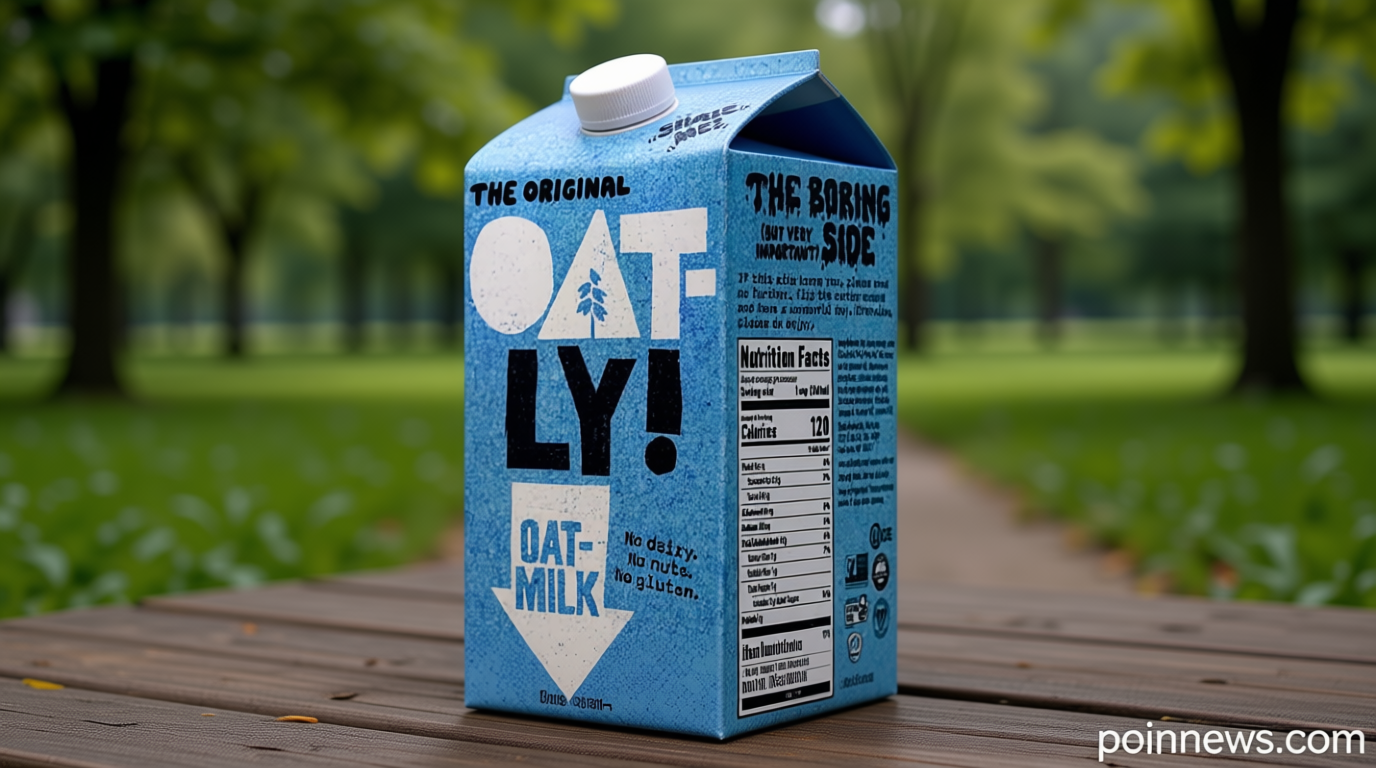
After Oat Milk, Europe Turns to Pea Milk: A Sustainable Shift
Poinews.com – As the global demand for food continues to rise and natural resources become increasingly strained, Europe is now pivoting its focus from oat milk to pea milk, driven by the need for more sustainable and nutritionally balanced alternatives. The shift marks a significant evolution in the plant-based beverage market, where consumer preferences are increasingly shaped by environmental concerns and health considerations. With peas emerging as a promising contender, the continent’s food innovation sector is exploring new ways to meet these dual demands while reducing the ecological footprint of dairy and other plant-based products.
The Rise of Plant-Based Milks in Europe
Europe has long been a leader in the adoption of plant-based milks, with oat milk becoming a household name in recent years. However, the limitations of traditional plant-based options—such as almond milk’s high water usage or soy milk’s land-intensive production—have prompted a search for more sustainable ingredients. Pea milk, derived from yellow peas, is now gaining attention for its versatility, nutritional profile, and lower environmental impact. This transition is not just a trend but a strategic move to align with the growing emphasis on circular economy principles and resource efficiency in agriculture.
Angeliki Triantafyllou: A Pioneer in Plant-Based Innovation
At the heart of this transformation is Angeliki Triantafyllou, a Greek biotechnologist and president of Cerealiq AB. Her groundbreaking work in enzymatic technology has not only revolutionized the oat milk industry but also positioned peas as a key player in the next wave of sustainable food solutions. Triantafyllou’s achievements, including winning the European Inventor Award 2026 in the “Industry” category, underscore her role in advancing plant-derived foods. Her research, which began with Oatly, the pioneer in oat-based beverages, has now expanded to include pea milk, which her team is developing to retain all the legume’s nutrients rather than isolating protein components.
“Our method, with our enzymatic technology, preserves all the properties and the full nutritional value of the pea. And of course, it is an environmentally friendly method.”
This statement highlights Triantafyllou’s commitment to creating products that are both nutritionally rich and ecologically responsible. The process she developed for oat milk, which enhanced its taste, texture, and foaming ability, has been adapted to pea milk, ensuring it meets the same high standards. By focusing on whole ingredients rather than fragmented proteins, her approach aligns with the broader goal of reducing waste and maximizing the benefits of plant-based foods.
Why Pea Milk Stands Out in the Plant-Based Landscape
Pea milk offers several advantages over existing alternatives. For starters, peas are a high-protein crop that requires significantly less water and land compared to almonds or soybeans. This makes them an ideal choice for regions grappling with water scarcity and soil degradation. Additionally, peas are naturally rich in essential amino acids, fiber, and minerals, making pea milk a more complete nutritional option. Triantafyllou emphasizes that the future of plant-based foods depends on selecting ingredients that balance sustainability with health benefits, and peas are proving to be a compelling solution.
While oat milk has dominated the market in recent years, pea milk is now being positioned as the next evolutionary step. Its production process, which Triantafyllou’s team has refined, ensures that it retains the legume’s full nutritional profile without compromising on taste or texture. This innovation addresses a critical challenge in the plant-based industry: the perception that these products are less nutritious than their dairy counterparts. By leveraging enzymatic technology, Triantafyllou is helping to redefine the conversation around plant-based milks and their place in a healthy, eco-conscious diet.
Pea Milk’s Environmental and Economic Potential
The environmental benefits of pea milk extend beyond its lower water and land requirements. Pea cultivation also contributes to carbon sequestration, as legumes naturally fix nitrogen in the soil, reducing the need for synthetic fertilizers. This makes peas not just a sustainable crop but a regenerative one, capable of improving soil health and biodiversity. Economically, the shift to pea milk could support local agriculture and reduce reliance on imported ingredients, further bolstering Europe’s food security and resilience.
With the European Union’s commitment to reducing greenhouse gas emissions and promoting sustainable agriculture, the adoption of pea milk aligns with these goals. Industry analysts predict that the plant-based milk market will continue to grow, with peas becoming a dominant ingredient due to their versatility and resource efficiency. Triantafyllou’s work exemplifies how scientific innovation can drive both environmental and consumer-driven change, ensuring that Europe remains at the forefront of this global movement.