Eurozone inflation confirmed at 2.8%: Will it be enough for the ECB to pause?
Eurozone Inflation Confirmed at 2.8%: ECB's Potential Rate Pause? | Eurozone inflation confirmed at 2 8 Eurozone inflation confirmed at 2 8 - The Eurozone's

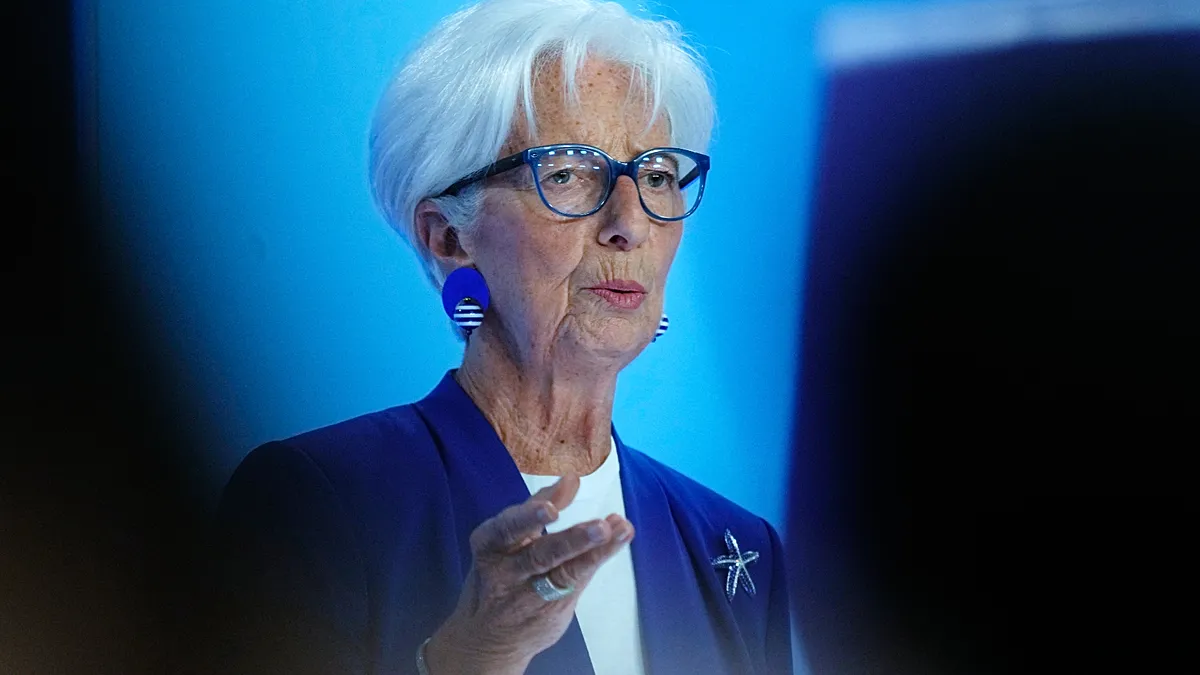
Eurozone Inflation Confirmed at 2.8%: ECB’s Potential Rate Pause? | Eurozone inflation confirmed at 2 8
Poinews.com – The Eurozone’s annual inflation rate has been confirmed at 2.8%, according to Eurostat’s latest data, marking a key development in the European Central Bank’s (ECB) monetary policy decisions. This decline, reported in June, represents the first easing in prices since January, after a period of sustained inflation that peaked at 3.2% in May—the highest level since September 2023. Analysts are now closely watching whether this 2.8% figure will provide the ECB with sufficient evidence to pause its aggressive rate-hiking campaign, which has been in place for over a year. The data, released on Friday, has sparked renewed speculation about the bank’s upcoming meetings, as officials weigh the balance between inflation control and economic growth.
Inflation Trends Across Key Sectors
Breaking down the 2.8% figure, core inflation—which excludes volatile items such as energy, food, and tobacco—has dropped to 2.4%, down from 2.6% in the previous month. Energy prices, which had been a significant driver of inflation, also declined, falling from 10.8% to 8.5% in June. However, services inflation remained steady at 3.2%, with 22 of the EU’s 27 member states recording lower overall inflation rates. Germany, France, Italy, and Spain reported inflation of 2.4%, 2%, 3%, and 3.6%, respectively, highlighting the uneven impact across the region. These numbers suggest that while the Eurozone is seeing some relief, core inflationary pressures persist, and the ECB must decide whether to slow its tightening measures.
The 2.8% inflation rate has drawn attention from economists and market participants alike, as it reflects a critical turning point. Analysts argue that the decline could signal a cooling in inflationary pressures, which may give the ECB more flexibility in its policy approach. However, the data does not yet indicate a sustained downward trend, leaving uncertainty about the central bank’s next move. With the ECB’s July meeting fast approaching, the question of whether the 2.8% figure will be enough to justify a pause in rate hikes remains central to the discussion.
ECB’s Strategic Dilemma
The ECB is currently in a delicate position, as it seeks to manage inflation while avoiding a potential economic slowdown. The 2.8% rate, though lower than the previous month, is still above the 2% target that the bank aims to achieve. Christine Lagarde, ECB President, noted at the Sintra forum that the June rate hike was a necessary response to ongoing inflationary challenges, rather than a precautionary measure. She emphasized that further tightening is still required to bring inflation back to its target, with projections indicating that the 2% goal could be met only by late 2027 if current policies continue. This timeline has raised concerns among market observers, who are now debating the pace of the ECB’s tightening cycle.
While the 2.8% inflation rate may signal a potential slowdown, it does not eliminate the need for caution. ECB officials are likely to analyze the data alongside other economic indicators, such as wage growth, consumer confidence, and employment trends, before making a decision. The bank has been tightening monetary policy since 2022 to combat inflation, and a pause could signal a shift in strategy. However, the decision to hold rates or raise them again depends on whether the inflationary trend is stable or if it requires additional tightening to prevent a resurgence.
Global Context and Competing Central Banks
The Eurozone’s 2.8% inflation rate is not the only factor influencing the ECB’s decision-making. Central banks around the world are adopting divergent approaches to inflation control. In the U.S., the Federal Reserve maintained its benchmark rate at 3.50%-3.75% in June, with Kevin Warsh’s first meeting as chair creating uncertainty. The Bank of England also kept its rate steady at 3.75%, though two policymakers supported a 0.25% increase. Meanwhile, the Bank of Japan raised its policy rate to 1.0%, the highest in 31 years, showing a contrasting strategy of proactive tightening. These varying approaches highlight the complexity of global monetary policy and how the ECB’s decision could influence market expectations.
Compared to other regions, the Eurozone’s 2.8% rate is a notable development. The decline follows a period of aggressive tightening, with the ECB raising rates multiple times to curb inflation. However, the recent easing in energy and core inflation could provide a window for the bank to reassess its strategy. The 2.8% figure is seen as a critical benchmark, as it may determine whether the ECB can afford to slow its pace. This is especially important given the ongoing challenges in the global economy, including supply chain disruptions and geopolitical tensions, which could impact inflation trends in the coming months.
Market Reactions and Investor Sentiment
Investors are closely monitoring the ECB’s response to the 2.8% inflation rate, as it could influence financial markets and borrowing costs. A potential pause in rate hikes would likely ease pressure on consumers and businesses, offering some relief in the face of high interest rates. However, the decision to hold or raise rates again could affect the value of the euro and the cost of borrowing for European companies. The markets are split on whether the inflation data is strong enough to warrant a pause, with some analysts cautioning that the ECB may still need to act decisively to avoid inflation slipping back.
Consumer behavior is also a key consideration in the ECB’s assessment. While the 2.8% rate suggests a moderation in price growth, the real cost of living remains high for many households. This has led to concerns that a pause in rate hikes could fuel further demand, potentially pushing inflation higher. The ECB must navigate these trade-offs carefully, balancing the need to control inflation with the risk of stifling economic activity. The 2.8% figure, while positive, may not be enough to convince officials to change course, especially with the potential for renewed inflationary pressures on the horizon.
Looking Ahead: The Path to Inflation Control
As the ECB prepares for its July meeting, the 2.8% inflation rate will be a focal point. The decision to pause or continue the rate-hiking cycle depends on a range of factors, including global economic conditions, commodity prices, and domestic data. While the current numbers offer some optimism, they may not be enough to eliminate the need for further tightening. The ECB is expected to release its updated economic forecasts, which will play a crucial role in shaping its policy outlook. With the focus keyword “Eurozone inflation confirmed at 2.8%” now central to the discussion, the central bank’s actions will have significant implications for the region’s economic trajectory.