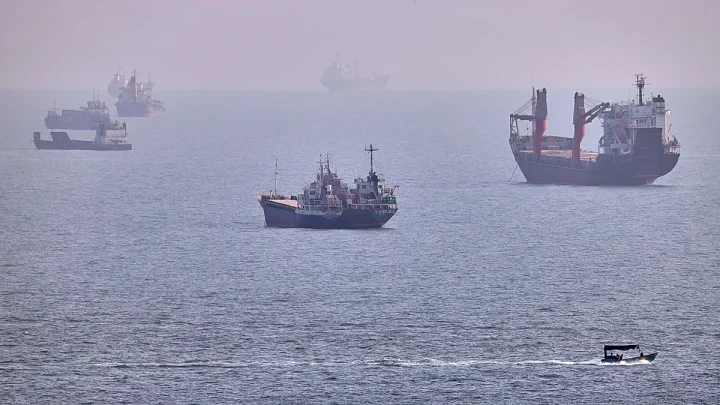
Iran and Oman agree route for ships in Strait of Hormuz, Tehran says
On Wednesday, Tehran and Muscat concluded their discussions regarding the specific geographical coordinates for a new maritime corridor through the Strait of

Table of Contents
Iran and Oman Reach Understanding on Hormuz Shipping Passage
Poinews.com – On Wednesday, Tehran and Muscat concluded their discussions regarding the specific geographical coordinates for a new maritime corridor through the Strait of Hormuz. According to Esmaeil Baghaei, a spokesperson for Iran’s Foreign Ministry, both nations are currently drafting a comprehensive joint declaration. This document will address technical specifications, legal frameworks, security measures, and environmental considerations.
Conditions for Reopening the Waterway
Separate reports from Iranian media indicate that official sources have stated the strait’s full reopening hinges upon Washington lifting its naval blockade against Iranian ports. A central element of the current negotiations involves Tehran’s demand to levy transit fees. The Iranian government asserts sovereign authority over this critical waterway, a position that contrasts sharply with the United States and several Gulf states. Those nations maintain that navigation should remain unrestricted under the UN Convention on the Law of the Sea.
“Provided that certain third parties do not obstruct the process, a joint statement by the two countries outlining the main considerations and points agreed upon is also being reviewed and finalized,” Baghaei stated, identifying the United States as one such third party.
Despite the progress made, Baghaei cautioned that the bilateral deal alone does not ensure safe passage. He emphasized that risks persist as long as American naval restrictions and other measures targeting Iranian interests continue.
Negotiations and Regional Perspectives
These developments follow two months of intensive talks between the two nations. Tehran maintains that the discussions align with a Memorandum of Understanding established with Washington back in June. Earlier in the day, Iranian state television highlighted that the primary objective involves creating a “middle corridor” managed jointly by Iran and Oman.
Another domestic media outlet noted that immediate strait reopening is unlikely due to what Tehran describes as American violations. Officials stressed that the bilateral negotiations operate independently of American involvement. IRIB, the state broadcaster, reiterated that changes in US conduct are necessary to correct these violations before normal operations can resume.
“The Strait is going to be open very soon, or they are going to get hit very hard, and then the strait is going to be open,” President Donald Trump declared during a Tuesday evening interview with Fox News, asserting that American participation remains integral to the process.
The strategic chokepoint transports approximately one-quarter of worldwide seaborne oil shipments. Following coordinated strikes by American and Israeli forces in late February, Iran effectively shut down the passage, triggering significant volatility across global energy markets.
Expert Analysis on the Situation
Danny Citrinowicz, former head of Israel’s military intelligence research department, offered his assessment on social media platform X. He observed that returning the Strait to pre-crisis conditions would necessitate either a change in Iran’s leadership or a prolonged military campaign to secure the waterway.
“Neither option was politically or strategically acceptable to Washington, given the enormous costs and long-term commitments they would require. Sometimes, the least desirable option is the only realistic one,” Citrinowicz explained.
Related Reading
Frequently Asked Questions
What is Iran and Oman agree route for ships?
Iran and Oman agree route for ships is the main topic of this guide. The article explains the context, practical details, and next steps readers should understand.
Why does Iran and Oman agree route for ships matter?
Iran and Oman agree route for ships matters because readers are looking for a useful answer, not just a short summary. Good content should match search intent and help them decide what to do next.