Basque Country halves colon cancer deaths with screening programme
The Basque Country halves colon cancer mortality rates through an ambitious screening initiative that has transformed public health outcomes across the

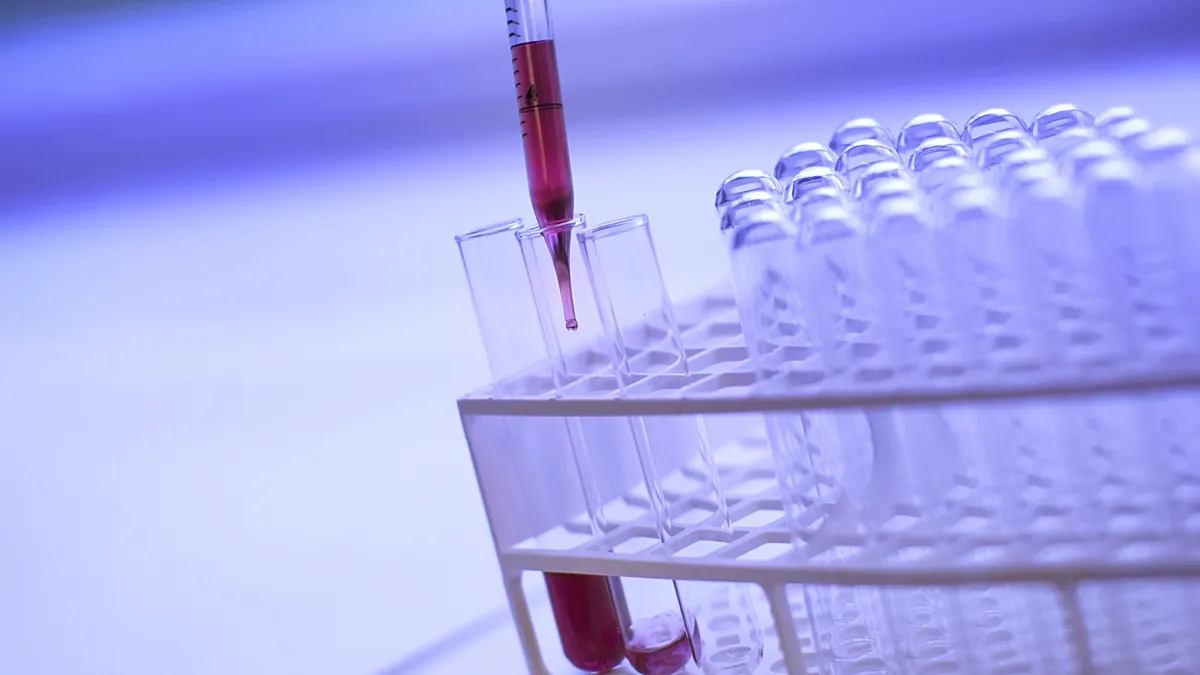
Table of Contents
Basque Country halves colon cancer deaths through innovative screening programme
Poinews.com – The Basque Country halves colon cancer mortality rates through an ambitious screening initiative that has transformed public health outcomes across the region. According to one of the most comprehensive studies conducted in Spain, regular screening for hidden blood in faeces has saved thousands of lives by enabling early detection of colorectal tumours. The research demonstrates that this systematic approach to early diagnosis is directly associated with a remarkable 50% reduction in mortality from colorectal cancer among individuals aged 50 to 69 years. Published this Wednesday in JAMA Network Open, the landmark study followed disease progression over an impressive 21-year period involving nearly 2.2 million residents in the Basque Country.
Historical impact and statistical breakthroughs
The compelling findings reveal that the decline in cancer-related deaths commenced merely three years after the screening programme was first implemented, and this positive trend has continued consistently since then. Beyond reducing mortality figures, the programme has successfully identified 70.8% of all tumours at stages I and II, when therapeutic interventions prove most effective and patient recovery rates improve substantially. Dr Luis Bujanda spearheaded this comprehensive investigation, analysing mortality statistics collected between 2004 and 2024.
During this extensive timeframe, researchers documented 438,134 total deaths across the population, with 16,298 specifically attributed to colorectal cancer. Within the targeted demographic of 50 to 69-year-olds, the mortality rate plummeted from 39.7 to 19.8 deaths per 100,000 inhabitants, representing a 50.1% decrease. Even within the broader population, mortality experienced a notable decline from 32.8 to 23.1 deaths per 100,000 inhabitants.
The researchers identified a crucial turning point in 2012, just three years after the programme began, strengthening the connection between systematic screening and reduced colorectal cancer mortality.
Scientists further calculated that without implementing this early detection framework, mortality among participants aged 50 to 69 would have remained 46.2% higher than observed levels. The screening methodology relies on the faecal immunochemical test (FIT), a straightforward, non-invasive procedure capable of identifying minute quantities of concealed blood in faeces—a critical indicator of potential cancer or precancerous growths.
How the screening programme works
Residents within the Basque Country receive this complimentary test biennially, targeting both men and women aged 50 to 69 who present no symptoms. Should the initial screening yield a positive result, patients undergo a colonoscopy to verify the diagnosis definitively. Throughout the entire research period, the programme successfully identified 4,892 colorectal cancer cases across the region.
Remarkably, more than seven out of ten diagnoses occurred at stages I or II, when medical interventions demonstrate superior efficacy and patient survival rates improve considerably. Colorectal cancer ranks among the most prevalent tumour types globally and remains a primary contributor to cancer-related fatalities in Spain and internationally. Nevertheless, identifying the disease during its earliest phases dramatically enhances curative potential and enables physicians to excise polyps before they transform into malignant growths.
According to the study authors, these outcomes validate the enduring advantages of structured screening programmes utilising the faecal immunochemical test as a cornerstone public health strategy for diminishing colorectal cancer mortality. The researchers acknowledge, however, that this represents an observational investigation rather than a controlled clinical trial. Consequently, while the findings establish a strong correlation between programme implementation and mortality reduction, they cannot definitively prove causation with the same precision as randomised controlled trials.
Despite this methodological limitation, the magnitude of the observed decline and its remarkable consistency across more than twenty years strongly affirm the critical importance of systematic screening as one of humanity’s most powerful weapons against colorectal cancer.
Frequently asked questions about the screening programme
Who qualifies for the Basque Country screening programme? All residents aged 50 to 69 years, regardless of gender, qualify for the biennial screening programme provided they exhibit no symptoms of colorectal cancer.
How often should participants undergo the FIT test? The faecal immunochemical test is administered every two years to ensure continuous monitoring and early detection of potential abnormalities.
What happens if the screening test returns positive? A positive result triggers a follow-up colonoscopy procedure to confirm whether cancer or precancerous lesions are present.
Why is early detection so important for colorectal cancer? When tumours are identified at stages I or II, treatment becomes significantly less aggressive, survival rates improve substantially, and physicians can often remove polyps before they develop into malignant tumours.
Can this screening programme be replicated in other regions? Given the programme’s success in halving mortality rates, health officials worldwide consider this model highly transferable to other populations seeking to reduce colorectal cancer deaths through systematic early detection.