
Short-haul electric flights could be a European reality in less than four years
Short haul electric flights could become a reality for European travelers within four years, according to industry experts. Battery-powered aircraft are

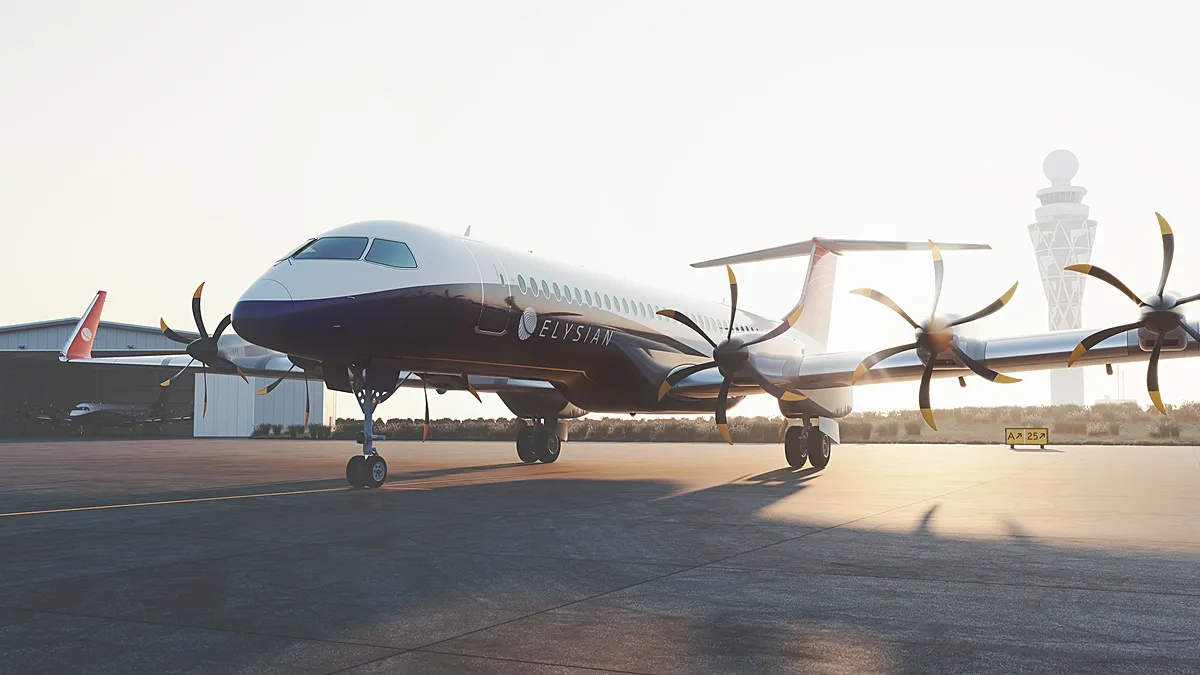
Table of Contents
Short Haul Electric Flights Could Transform European Travel
Poinews.com – Short haul electric flights could become a reality for European travelers within four years, according to industry experts. Battery-powered aircraft are advancing rapidly, with commercial service potentially launching by the early 2030s. Carlos López de la Osa, aviation technical manager at the European Federation for Transport & Environment, emphasizes that public understanding hasn’t caught up with technological progress.
“Many people still think airplanes running on batteries are a distant dream,”
he explains.
“But electric and hybrid flights are a core part of the solution to making short-haul travel more sustainable, and less dependent on imported jet fuel.”
Geopolitical instability has made fuel prices volatile, strengthening the case for electric alternatives. Beyond shielding passengers from energy market swings, electric aircraft produce less noise and pollution while accessing routes that traditional airlines often skip. European startups are racing to build electric planes capable of covering 500 kilometers. The European Union Aviation Safety Agency estimates this range would support approximately one-quarter of all European flight paths.
Island and Regional Connections
Popular destinations already fit within this operational range. Passengers might soon travel between London and Dublin, Athens and Santorini, Barcelona and Ibiza, Nice and Corsica, or Rome and Sardinia. While France and Spain have banned short-haul flights when rail connections under two-and-a-half hours exist, island routes face different constraints. Water crossings and isolated locations cannot practically be served by trains, making electric aviation an ideal solution for these corridors.
German manufacturer Vaeridion projects costs below €0.50 per passenger-kilometre, comparable to first-class rail fares. Final pricing will depend on airport fees, taxes, and airline strategies. The company is building a nine-passenger electric aircraft scheduled for passenger certification by 2030. Vaeridion has secured purchase commitments totaling one hundred aircraft from airlines and operators.
Battery Technology Advances
Heavy batteries historically blocked electric aviation from commercial viability. Improvements in motor technology, battery integration, and aerodynamic design have shifted this outlook. Battery energy density continues affecting aircraft size, weight capacity, and range. While major manufacturers like Airbus have paused some electric programs—recently delaying their zero-emission aircraft project—European innovators are filling the gap.
Europe’s strict environmental rules, compact geography, and many smaller airports create favorable conditions for testing. Dutch firm Elysian Aircraft, partnering with KLM, is developing a larger battery-electric plane for ninety passengers across 1,000 kilometers by 2035. French startup Aura Aero meanwhile focuses on a nineteen-seat hybrid-electric regional aircraft with 1,500-kilometer range.
Aura Aero aims for certification by late 2029 and plans eventually to produce models for forty to ninety passengers. Antoine Toulemont, the company’s European affairs advisor, describes the hybrid strategy:
“Being hybrid will help our aircraft go further, but it still cuts emissions by up to 80 per cent – and it can easily use sustainable aviation fuel [SAF] rather than conventional jet fuel.”
He notes that current fuel prices suggest fifty percent lower direct operating costs.
Challenges and Opportunities
Sustainable aviation fuel is expected to play a major role in long-distance decarbonization by reducing reliance on traditional jet fuel. However, production capacity remains limited, and experts question some sustainability certifications. Critics maintain that truly sustainable sources may never produce enough volume for aviation’s growth, positioning direct electrification as the cleaner option.
Direct electrification also has limitations. Battery-powered planes eliminate in-flight fuel use entirely, but their overall climate impact depends on how electricity is generated during charging.
Frequently Asked Questions
When will short haul electric flights be available? Industry projections suggest commercial service could begin by the early 2030s, with some routes potentially operational within four years.
What distances can electric planes cover? Current developments target ranges from 500 kilometers to 1,500 kilometers, covering popular European routes including island connections.
How do electric flights compare to conventional ones environmentally? Electric and hybrid aircraft can reduce emissions by up to 80 percent, with additional benefits from sustainable aviation fuel compatibility.
Which European routes are most likely to see electric service first? Island routes such as London-Dublin, Athens-Santorini, and Barcelona-Ibiza are prime candidates due to their distance and lack of rail alternatives.