
Ceuta mayor tells MEPs migrant ‘invasion’ left city traumatised, demands immediate deportations
Ceuta mayor tells MEPs migrant influx has left the Spanish enclave in turmoil following what officials describe as an unprecedented border crossing. Mayor

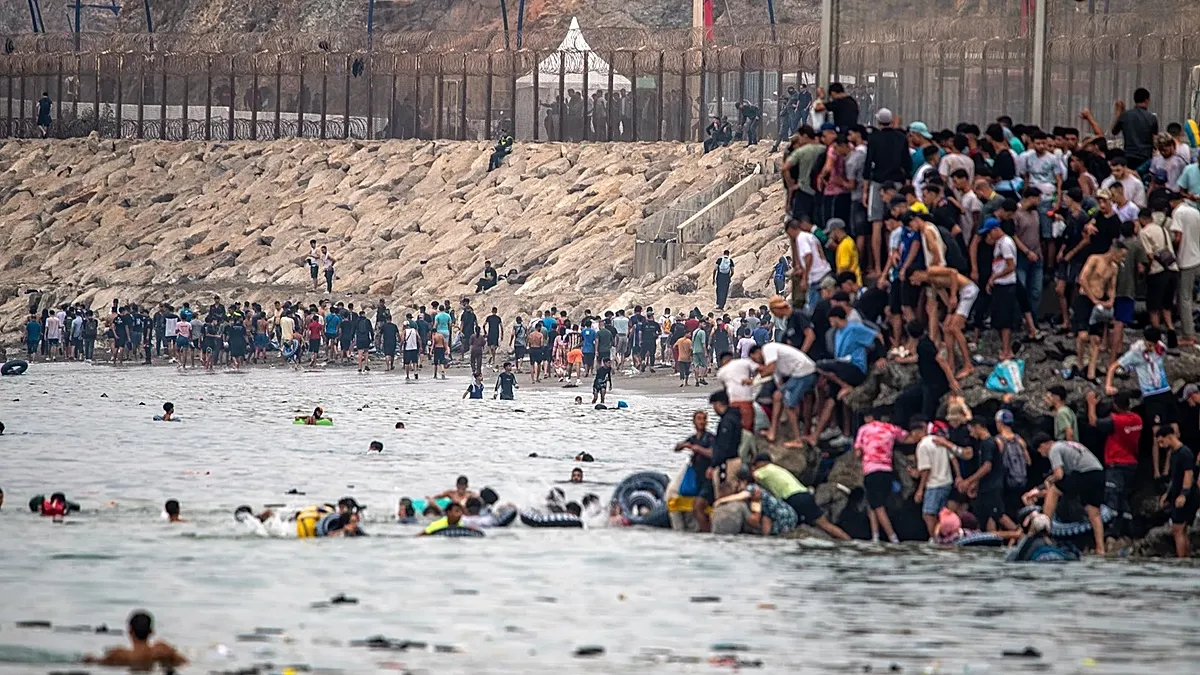
Table of Contents
Ceuta Mayor Tells MEPs Migrant Crisis Demands Action
Poinews.com – Ceuta mayor tells MEPs migrant influx has left the Spanish enclave in turmoil following what officials describe as an unprecedented border crossing. Mayor Juan Jesús Vivas addressed members of the European Parliament on Thursday, outlining the severe impact of the recent migration surge on his city. The hearing came after approximately 80,000 migrants crossed into Ceuta by sea, marking one of the most significant migration events in European Union history.
During his testimony before the Committee on Civil Liberties, Justice and Home Affairs, Vivas characterized the situation as an “invasion” and called for swift measures. While the Spanish government chose not to attend the session, European Commission representative Magnus Brunner participated on behalf of the Commission. The mayor emphasized that the dictionary definition of invasion perfectly captures what occurred on July 30 and 31, when roughly 80,000 people—nearly matching Ceuta’s entire population—crossed into the city.
City Still Recovering from Trauma
The mayor stressed that the crisis extended beyond mere numbers, affecting the fundamental integrity of Ceuta, Spain, and the broader European Union. Despite most migrants returning to Morocco, Vivas maintained that the city remains deeply affected. He described facing a humanitarian emergency of substantial scale, alongside disruptions to public order and genuine concerns about public safety.
Current estimates suggest between 3,000 and 5,000 migrants continue to occupy local reception facilities, which operate well beyond capacity. Vivas explained that insufficient resources have prevented authorities from confirming the precise number of remaining migrants. The mayor reiterated his position that immediate deportation measures are necessary for those who entered irregularly, though he acknowledged that unaccompanied minors require their consent before being returned to their home countries.
When questioned by parliamentarians, Vivas revealed that local authorities had received no confirmation regarding whether any previously expelled jihadists had entered Ceuta during the crisis. He also noted that the city had proactively warned Spanish ministries about increasing irregular arrival patterns before the main surge occurred. Moroccan authorities, according to Vivas, declined to engage with Ceuta’s concerns during this critical period.
Border Vulnerability Exposed
The mayor concluded that the recent events have clearly demonstrated the porous nature of Ceuta’s border. He emphasized that the city’s warnings about rising arrival numbers had gone largely unheeded, leaving local resources stretched thin. The mayor’s demands for immediate action reflect the ongoing challenges faced by the enclave as it works to restore normalcy for its residents.
As the European Union continues to grapple with migration challenges, Ceuta’s experience serves as a case study for border management in crisis situations. The mayor’s testimony highlights the need for coordinated responses between local, national, and European authorities when facing large-scale migration events.
Frequently Asked Questions
How many migrants entered Ceuta during the crisis? Approximately 80,000 migrants crossed into Ceuta by sea between July 30 and 31, representing one of the largest migration surges in EU history.
What is the mayor’s main demand regarding migrants? Ceuta mayor Juan Jesús Vivas is calling for the immediate deportation of migrants who entered the city irregularly and remain in local reception centers.
How many migrants are still in Ceuta? Between 3,000 and 5,000 migrants continue to occupy local reception facilities, though the exact number remains uncertain due to resource limitations.
Did Spanish authorities attend the parliamentary hearing? No, the Spanish government declined the invitation to attend the session, while the European Commission was represented by commissioner Magnus Brunner.