Metsola’s re-election drive puts Socialists under pressure
Roberta Metsola is emerging as the leading candidate for a third term as president of the European Parliament, creating complications for the Socialists and

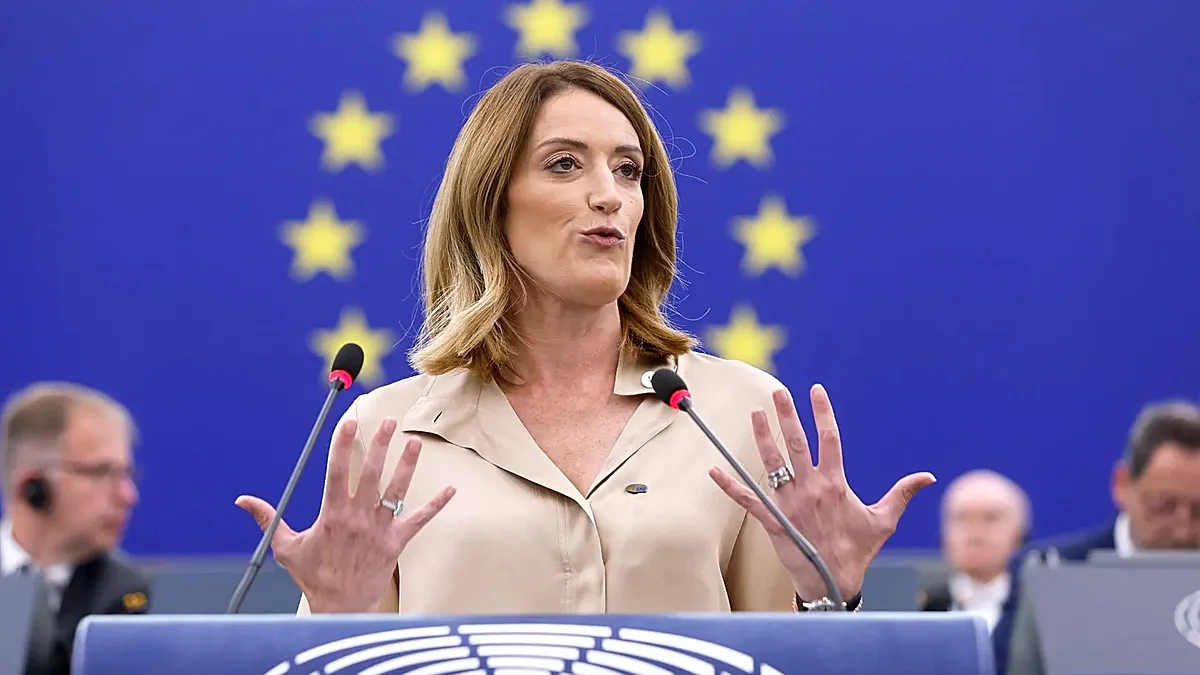
Table of Contents
Metsola’s Bid for Third Term Challenges Socialist Dominance
Poinews.com – Roberta Metsola is emerging as the leading candidate for a third term as president of the European Parliament, creating complications for the Socialists and Democrats (S&D) group. The Maltese politician representing the European People’s Party (EPP) has not yet formally declared her intentions, yet momentum is clearly growing in her favor. This development threatens to upset an informal arrangement among centrist factions and places the centre-left group in a difficult position.
Breaking the Informal Agreement
Under the established understanding, the S&D group holds the right to the presidency during the latter half of the legislative period. However, the Socialists currently lack sufficient influence to advance their own nominee. One Socialist member of parliament, speaking anonymously, expressed the prevailing sentiment: “We should not accept Metsola, and we will not do it. But it seems to me quite obvious it will be her again.”
While formal negotiations will intensify following the summer recess, internal discussions have already commenced. The Socialists find themselves constrained in an asymmetrical contest, unable to present a viable alternative candidate.
The Election Framework
The European Parliament president is chosen every two and a half years through a secret vote by all members. Typically, political groups reach agreements behind closed doors before the formal election takes place. The three principal European political families—conservatives, socialists, and the liberal Renew Europe—usually agree on a candidate in advance to prevent a contentious chamber vote.
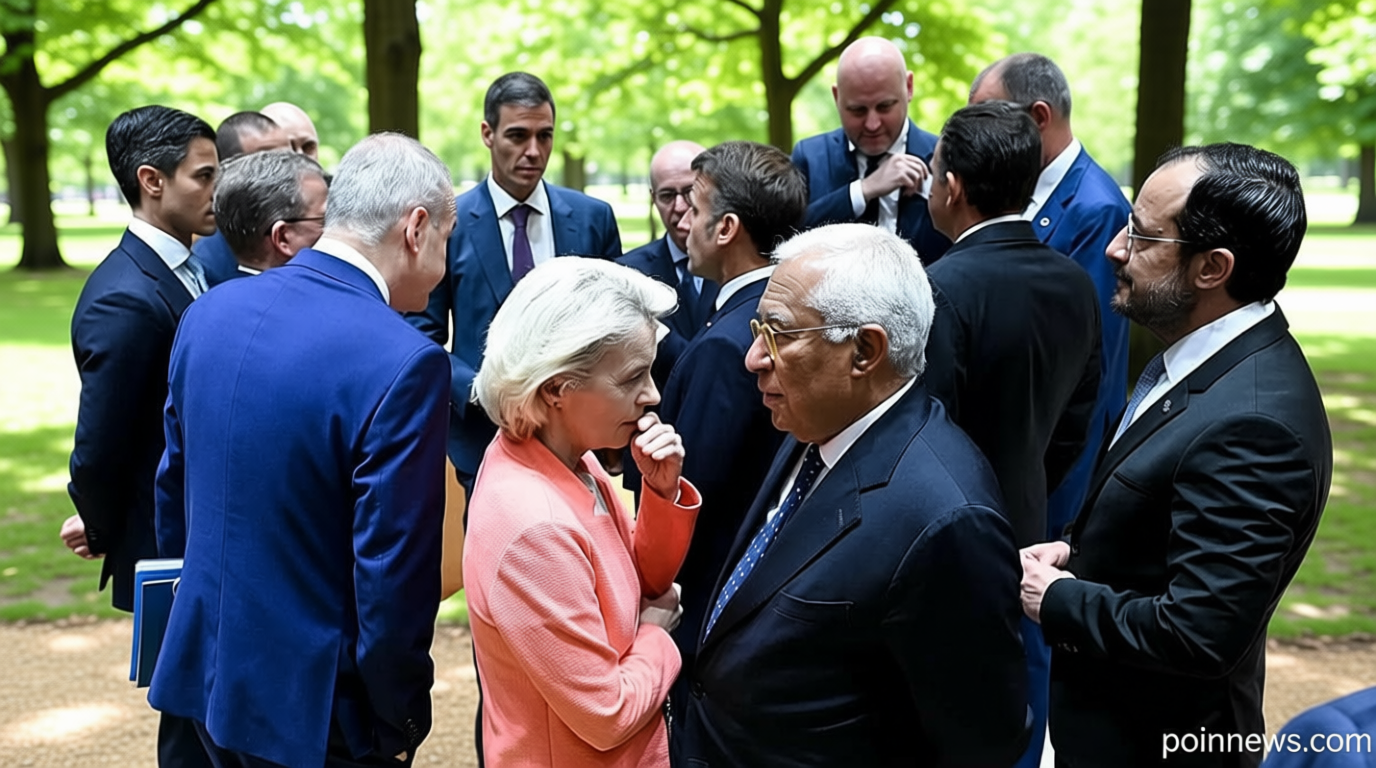
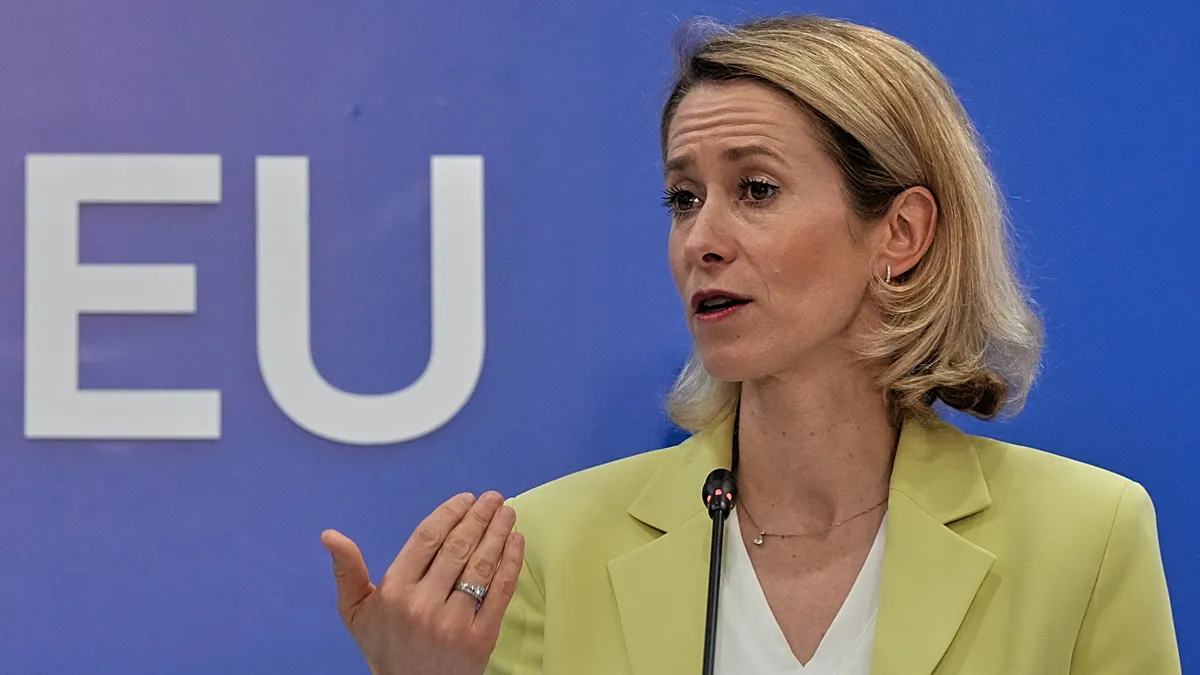
This arrangement connects to a wider settlement concerning the European Union’s most senior positions. The June 2024 agreement confirmed Ursula von der Leyen as Commission president, appointed António Costa as European Council president, and selected Kaja Kallas as the high representative for foreign affairs.
Within Parliament, the understanding traditionally divides the legislature into two equal periods, following the pattern established across four previous terms. EPP and S&D representatives alternate in the presidential role.
Room for Maneuver
Several parliamentarians have verified the existence of this arrangement to Euronews, though its precise language regarding the parliamentary presidency contains deliberate flexibility. An MEP from another political group explained: “It says that the groups aim for a balanced distribution of the Parliament’s top positions,” which encompasses vice-presidencies and committee chairmanships.
This ambiguity benefits the EPP, which remains the dominant political force in Parliament. The party could potentially secure support from both left and right to advance its preferred candidate.
Rules Favor the EPP
The electoral regulations work to the EPP’s advantage. During the secret ballot, a candidate can win by securing an absolute majority of votes cast within the first three rounds. Should no one achieve this threshold, the contest proceeds to a final run-off between the two highest-voted candidates from the preceding round.
If the EPP maintains its support for Metsola’s re-election—as numerous members anticipate—overcoming her candidacy becomes increasingly difficult. This scenario presents the S&D with a challenging choice: either contest the position from a weakened stance or concede and endure the outcome.
Strategic Options for Socialists
Leaders of Socialist party delegations convened in one of their final meetings before the summer break to evaluate their approach. According to sources present, some advocated reaching a behind-the-scenes arrangement with the EPP, supporting Metsola in return for specific concessions. These potential compromises included securing additional committee chair positions or obtaining stronger guarantees for legislative drafting exclusively with the centrist coalition formed at the mandate’s outset.
Other members favored nominating a candidate and launching a formal challenge, with German MEP Katarina Barley’s name circulating in the conversations. Although this candidate would have minimal prospects of victory, such a move would compel the EPP to openly violate the informal understanding.
Centre-right conservatives currently hold the advantage in potential voting outcomes. Nevertheless, they favor preserving the illusion of solidarity and portraying Metsola as the result of cooperation among pro-European factions, rather than allowing her election through far-right party support.
An MEP from a different political family commented: “Socialists should have moved earlier to call the EPP’s bluff by tabling a candidate before the summer.” They added: “Now, if the EPP has the first move and it picks Metsola, they are cornered.”
“We should not accept Metsola, and we will not do it. But it seems to me quite obvious it will be her again.”
“It says that the groups aim for a balanced distribution of the Parliament’s top positions.”
“Socialists should have moved earlier to call the EPP’s bluff by tabling a candidate before the summer.”
Related Reading
Frequently Asked Questions
What is Metsola s re election drive puts?
Metsola s re election drive puts is the main topic of this guide. The article explains the context, practical details, and next steps readers should understand.
Why does Metsola s re election drive puts matter?
Metsola s re election drive puts matters because readers are looking for a useful answer, not just a short summary. Good content should match search intent and help them decide what to do next.