Forget Venice and Amsterdam: Beat the crowds in Europe’s best alternative canal cities
Forget Venice and Amsterdam when planning your next European getaway. While these iconic destinations dominate the canal tourism landscape, both cities have

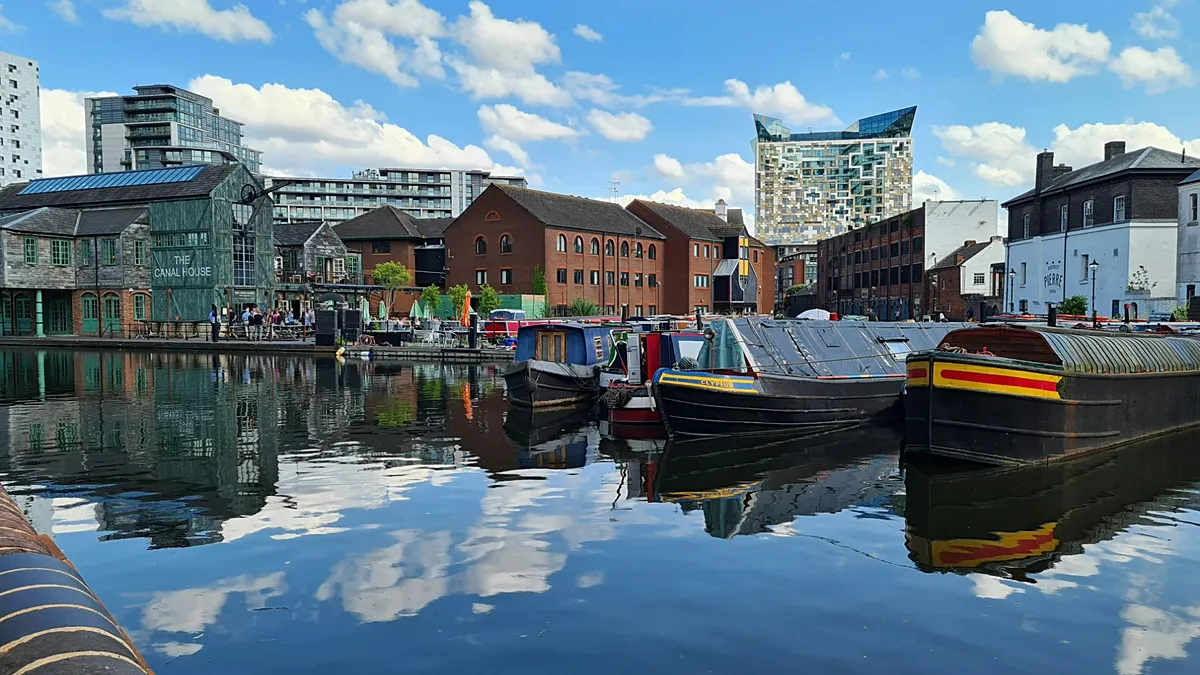
Table of Contents
Forget Venice and Amsterdam: Europe’s Best Alternative Canal Cities
Poinews.com – Forget Venice and Amsterdam when planning your next European getaway. While these iconic destinations dominate the canal tourism landscape, both cities have become increasingly overwhelmed by visitors. Venice implemented a day-tripper surcharge in 2024, charging between €5 and €10, though locals are pushing for fees to reach €50. Amsterdam faces similar saturation challenges. Despite multiple initiatives aimed at improving visitor conduct, rising tourist numbers prompted residents to file legal action against their municipality last year. For travelers seeking to escape overtourism while enjoying equally stunning waterways, several alternative destinations offer compelling experiences that rival their famous counterparts.
“The best-kept secrets of European canal travel are waiting for those willing to venture beyond the obvious choices.”
Hamburg: Industrial Charm Meets Maritime Heritage
With more waterways than either Amsterdam or Venice, Hamburg might surprise you as a romantic canal destination. As Europe’s third-largest port following Rotterdam and Antwerp, the city’s waterways serve practical purposes alongside their scenic appeal. The historic Speicherstadt warehouse district showcases a distinctive industrial aesthetic and holds UNESCO World Heritage designation. Although World War II damaged approximately half of these magnificent structures, their architectural splendor remains intact, making both walking tours and boat excursions essential experiences. Visitors can explore the Elbphilharmonie concert hall or enjoy fresh seafood at the Fischmarkt on Sunday mornings.
Stockholm: The City of Bridges
Sweden’s capital rests on an archipelago comprising fourteen islands, connected by intersecting waterways and more than fifty bridges. The Old Town’s original designation, “Staden Mellan Broarna” or “The Town between the Bridges,” reflects this unique geography. Among the city’s many waterways, the Djurgårdsbrunnskanalen Canal stands out for its tranquility despite its central location. This five-kilometer route winds between the popular Djurgården district and the mainland, offering one of Stockholm’s most beloved pedestrian paths lined with trees. The city’s commitment to sustainability makes it an ideal destination for eco-conscious travelers seeking canal experiences.
Birmingham: Britain’s Canal Renaissance
The UK city of Birmingham boasts more canal kilometers than Venice, and these waterways have experienced remarkable transformation since their industrial peak. Over 160 kilometers remain navigable today. Gas Street Basin provides a vibrant setting where lively bars and cafes celebrate the city’s canal heritage. Meanwhile, a gently winding towpath extends toward the University of Birmingham, delivering a peaceful retreat from urban activity. Birmingham’s canal network offers unique opportunities for houseboat stays and water sports enthusiasts alike.
Copenhagen: From Sailor’s Haven to Tourist Paradise
Copenhagen’s 17th-century Nyhavn waterfront district anchors one of Europe’s most enchanting canal cruise destinations. Known for its vividly painted townhouses and historic wooden vessels, Nyhavn offers an ideal setting for summer strolls or boat excursions. Yet this sophisticated neighborhood harbored a different reputation during its formative years. Beginning around 1670, Nyhavn became infamous as a destination for pleasure-seeking sailors searching for entertainment and refreshment. The area later welcomed author Hans Christian Andersen in the nineteenth century and underwent pedestrianization in 1980, catalyzing its transformation into the beloved tourist destination visitors enjoy today.
Practical Travel Information
When planning your visit to these alternative canal cities, consider that most offer excellent public transportation connections. Hamburg’s airport provides direct flights to major European hubs, while Stockholm Arlanda Airport serves numerous international destinations. Birmingham Airport offers convenient access for UK travelers, and Copenhagen’s Kastrup Airport is one of Scandinavia’s busiest aviation centers. Accommodation options range from budget-friendly hostels to luxury hotels, with many properties located directly along the canal waterways.
Frequently Asked Questions
When is the best time to visit these canal cities?
Spring (April-June) and early autumn (September-October) offer pleasant weather with fewer crowds compared to peak summer months. Hamburg and Stockholm are particularly beautiful during their respective flower festivals, while Copenhagen hosts numerous outdoor events throughout the warmer season.
How do these cities compare to Venice and Amsterdam in terms of costs?
Generally, Hamburg, Stockholm, Birmingham, and Copenhagen offer more affordable accommodation and dining options than Venice and Amsterdam. Birmingham tends to be the most budget-friendly, while Stockholm and Copenhagen may approach Amsterdam’s price levels during peak season.
Are canal tours available in all these cities?
Yes, all four cities offer regular canal cruise services. Hamburg provides harbor tours, Stockholm offers archipelago excursions, Birmingham features narrowboat journeys, and Copenhagen’s Nyhavn cruises are particularly popular with visitors seeking to experience the city from the water.