Trump hails ‘wall of steel’ blockade, says US will keep control of Strait of Hormuz
President Donald Trump has once again emphasized American dominance over one of the world's most critical maritime chokepoints, declaring that the United

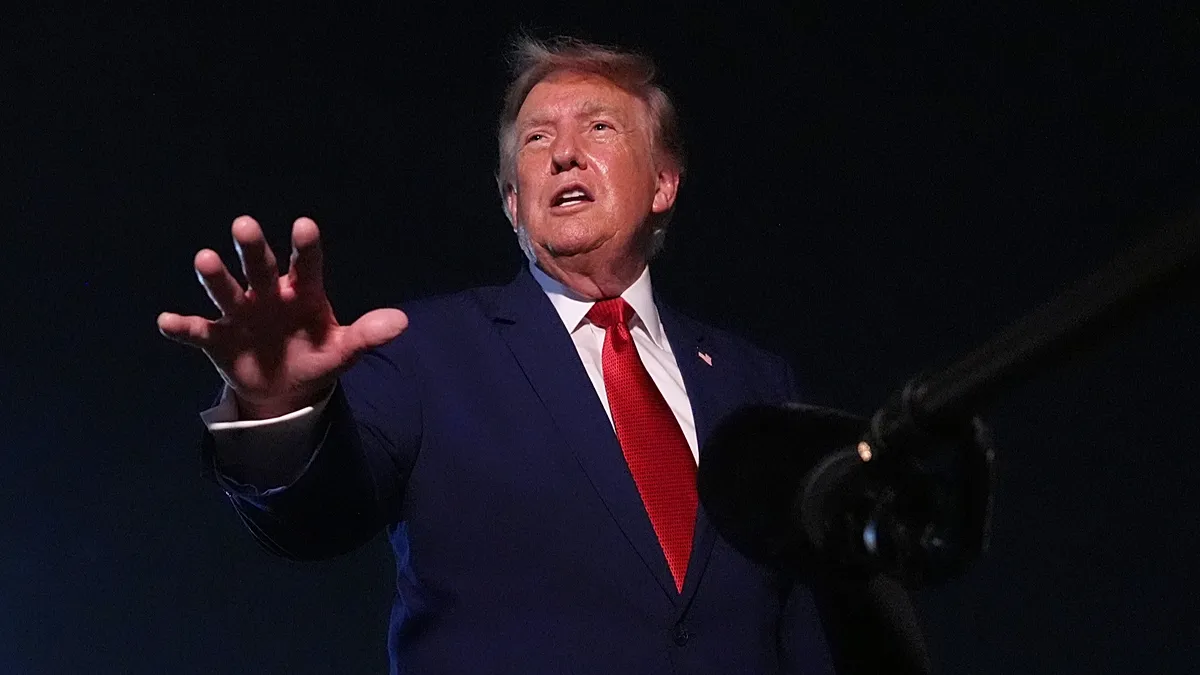
Table of Contents
Trump Hails ‘Wall of Steel’ Blockade for Strait of Hormuz
Poinews.com – President Donald Trump has once again emphasized American dominance over one of the world’s most critical maritime chokepoints, declaring that the United States will maintain firm control of the Strait of Hormuz. In a series of statements released on Wednesday, Trump celebrated what he described as an unprecedented naval achievement, calling the blockade a “wall of steel” that leaves Iran with little room for maneuver.
“The U.S.A. has total control over the Strait of Hormuz. I THINK WE WILL KEEP IT!” Trump wrote in a post on his Truth Social platform, capturing the attention of global media and markets alike. His declaration comes amid escalating tensions in the Persian Gulf, where American and Israeli military operations have intensified over the past six months.
The president’s comments reflect a broader strategy to assert American power in the region while managing domestic political pressures ahead of the November midterm congressional elections. With his approval ratings declining at home, Trump has sought to frame the ongoing conflict as a mission approaching decisive victory rather than an open-ended commitment.
The Strategic Importance of the Strait
The Strait of Hormuz represents one of the most vital waterways in global commerce, serving as a critical artery for energy shipments and commodity trade throughout the Middle East. Approximately 20 percent of the world’s petroleum consumption passes through this narrow channel, making it an essential route for international markets.
Trump’s characterization of the blockade as a “wall of steel” has resonated with military analysts and political observers who have watched American naval forces position themselves strategically around Iranian waters. “Our Naval Blockade is being called, by everyone, ‘A WALL OF STEEL,’ and there is nothing Iran can do about it,” Trump stated, reinforcing his narrative of American supremacy.
Blockade Details and Implementation
The blockade represents a significant escalation in the conflict that began on February 28, when Trump launched military operations against Iran with stated objectives including forcing Tehran to abandon its nuclear power program and potentially achieving regime change. US and Israeli forces have conducted extensive bombing campaigns targeting Iran’s military infrastructure and leadership positions.
Iran has responded with a multi-pronged strategy that includes missile attacks on American bases in the region, strikes against Israel, and operations targeting US-allied Gulf states. However, its most effective response has come through the Strait of Hormuz, where Iranian forces have disrupted shipping traffic, creating bottlenecks that have rattled global markets and raised concerns about energy security.
Iran’s Response and Regional Impact
While Trump claims total control of the strait, Iranian officials maintain that they effectively control much of the waterway and have announced plans to implement a toll system in response to what they describe as American aggression. This disagreement over sovereignty highlights the complex nature of the conflict and the competing narratives being advanced by both sides.
Iran’s resistance has taken many forms, from direct military confrontations to economic warfare through the disruption of commercial shipping. The toll system proposal represents an innovative approach to asserting Iranian authority while generating revenue from international vessels that must pass through the strait.
The conflict has also drawn in regional allies and partners, with Gulf states finding themselves caught between American military commitments and their own economic interests. The disruption of trade routes has created ripple effects throughout the global economy, with energy prices and supply chains feeling the impact of the ongoing crisis.
Economic and Political Implications
Trump’s approach to the conflict has evolved over time, shifting from aggressive escalation rhetoric to what he described as a “low-keying” strategy focused on blockading Iranian ports. Speaking with Axios on Sunday, the president explained his rationale: “We are only semi-negotiating with them. We are just watching Iran with its huge inflation and the fact they have no money.”
This strategy reflects a recognition that economic pressure may prove more effective than military force alone in achieving American objectives. The blockade serves multiple purposes, including restricting Iranian access to international markets while demonstrating American naval capability to potential adversaries worldwide.
The political calculus behind Trump’s decisions has become increasingly important as domestic pressures mount. With midterm elections approaching, the president has sought to balance his commitment to military action with the need to avoid further escalation that could prove unpopular with American voters.
Frequently Asked Questions
What is the Strait of Hormuz and why is it important?
The Strait of Hormuz is a narrow waterway connecting the Persian Gulf to the Gulf of Oman and the Arabian Sea. It is one of the world’s most critical energy chokepoints, with approximately 20 percent of global petroleum consumption passing through this channel daily.
When did the current conflict with Iran begin?
The military conflict that Trump launched against Iran began on February 28, 2026, with initial objectives including forcing Tehran to abandon its nuclear power program and potentially achieving regime change.
What does Trump mean by “wall of steel” blockade?
Trump’s “wall of steel” refers to the comprehensive naval blockade that American forces have established around Iranian waters, which he claims gives the United States total control of the Strait of Hormuz and leaves Iran with limited options for response.
How is Iran responding to the American blockade?
Iran has responded through multiple channels, including missile attacks on US bases in the region, strikes against Israel and Gulf allies, and most effectively through disrupting shipping in the Strait of Hormuz. Iran has also proposed implementing a toll system for vessels passing through the strait.
What are the economic implications of the blockade?
The blockade has created significant disruptions to global energy markets and supply chains, with shipping delays and increased costs affecting international commerce. Iran’s own economy has suffered from inflation and reduced access to international markets.
“The U.S.A. has total control over the Strait of Hormuz. I THINK WE WILL KEEP IT!” — President Donald Trump, Truth Social
As the situation continues to evolve, both domestic and international observers will be watching closely to see how Trump’s “wall of steel” strategy develops and whether it achieves the objectives set forth at the beginning of this conflict. The outcome will have far-reaching implications for global energy security, regional stability, and American foreign policy for years to come.