How to tell if the eclipse damaged your eyes: key warning symptoms
Millions witnessed the historic solar eclipse, marking the first such event visible across the Iberian Peninsula since 1912. Unfortunately, some observers may

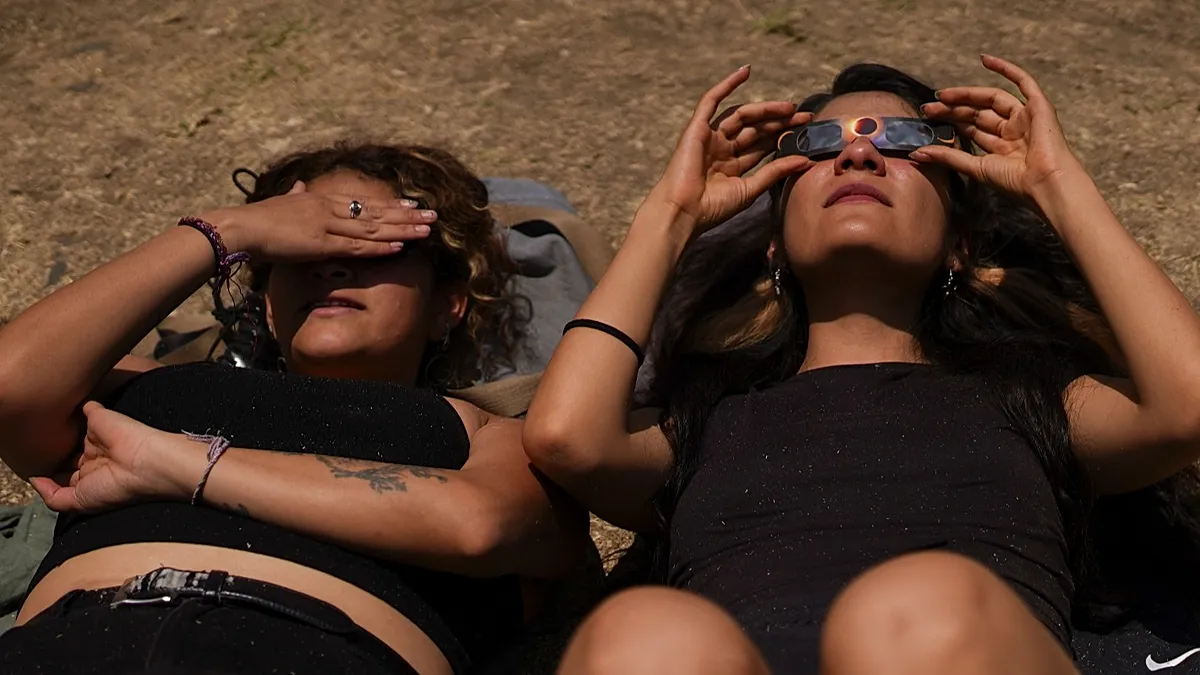
Table of Contents
Recognizing Eclipse-Related Eye Damage: Essential Warning Signs
Poinews.com – Millions witnessed the historic solar eclipse, marking the first such event visible across the Iberian Peninsula since 1912. Unfortunately, some observers may have gazed at the Sun without proper eye protection. Medical experts caution that not every symptom carries equal weight, and serious injuries might not manifest right away.
Understanding Different Types of Discomfort
Dr. Laura Sararols, who leads the Retina Unit at Granollers General Hospital and serves as head of service at OMIQ within the Hospital Universitari General de Catalunya, emphasizes the need to differentiate between symptom types.
There are two things we need to distinguish
Prolonged eclipse viewing, even with correctly worn protective glasses, can reduce blinking frequency. This leads to dry eyes, a gritty sensation, or the feeling of having a foreign object in your eye. According to Dr. Sararols, these issues are temporary and harmless.
This is of no consequence whatsoever
Such discomfort mirrors what happens after extended screen time and typically resolves within hours. Artificial tears can provide relief.
Solar Retinopathy: A More Serious Condition
Solar retinopathy, also known as solar maculopathy, represents a fundamentally different problem. Direct solar radiation exposure damages the retina, with particular vulnerability in the macula—the region governing central vision.
An important characteristic of this injury is that it often causes no pain during the actual exposure.
At the moment when you are looking at the light, you do not feel anything. There is no pain, you have no sensation of anything
The primary warning sign involves changes in central vision. Patients might observe a dark zone, an unfocused area, or a greyish patch that remains consistently positioned.
The patient may notice that in the central area there is a kind of dark zone, an area that will not focus or a greyish patch that is always in the same place
The Soria Healthcare Management Board, reporting to Castilla y León’s regional government, identifies additional indicators including dark central spots, distorted imagery, and color discrimination difficulties.
Delayed Symptom Onset
Feeling completely fine immediately following the eclipse does not guarantee your eyes are unharmed. Dr. Sararols notes that solar maculopathy symptoms may not emerge until later.
Sometimes it is not in the hours that follow, but it can be the next day or two days later
Anyone who viewed the Sun directly without sufficient protection should monitor their vision for several days afterward.
Special Considerations for Children
The specialist highlights that parents should remain vigilant regarding their children’s eye health post-eclipse. Kids might experience vision problems even if they never openly admit to looking at the Sun.
Children are not going to tell us that they were looking at the eclipse and did what they had been told not to do
If symptoms develop, consulting an eye specialist is advisable to determine whether damage has occurred.
Risk Factors and Critical Moments
Extended viewing is not required to sustain injury. Dr. Sararols confirms that merely a few seconds of direct Sun exposure can be sufficient to cause harm. Solar radiation may produce a phototoxic lesion within the fovea, situated at the macula’s center.
This underscores why experts strongly recommended using certified eclipse glasses during the event. The periods immediately preceding and following totality proved especially hazardous. While the solar disc was entirely obscured by the Moon, direct observation was safe. However, once sunlight returned, observers needed to resume protection immediately.
The Sun’s light quickly becomes visible again and that is the most dangerous moment
Dr. Sararols explains that this transition period frequently caused accidental exposure when people removed their glasses during totality and continued watching as the Sun reappeared.
Recording the eclipse with a smartphone does not automatically result in eye damage. The crucial factor depends on various elements related to viewing conditions and duration.
Related Reading
Frequently Asked Questions
What is How to tell if the eclipse?
How to tell if the eclipse is the main topic of this guide. The article explains the context, practical details, and next steps readers should understand.
Why does How to tell if the eclipse matter?
How to tell if the eclipse matters because readers are looking for a useful answer, not just a short summary. Good content should match search intent and help them decide what to do next.