Congo’s Ebola outbreak on track to surpass deadliest in history, WHO chief says
The World Health Organisation has issued a stark warning that the Congo s Ebola outbreak on track to surpass the deadliest epidemic in recorded history. This

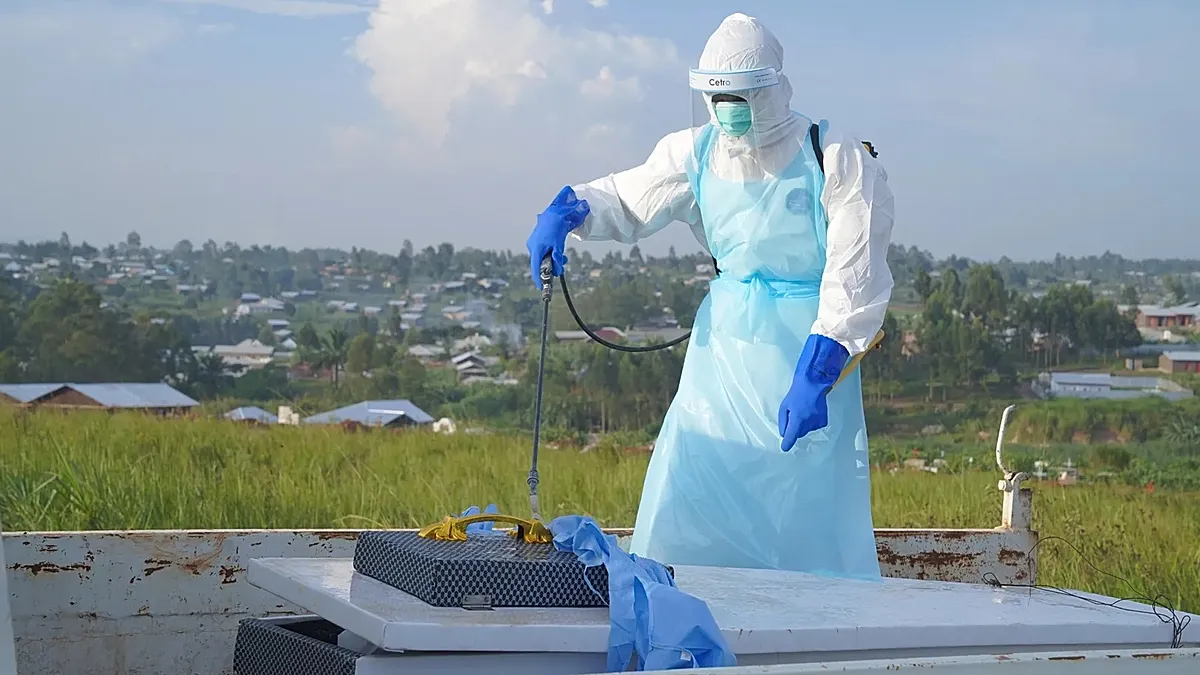
Table of Contents
Congo s Ebola outbreak on track to break historical records
Poinews.com – The World Health Organisation has issued a stark warning that the Congo s Ebola outbreak on track to surpass the deadliest epidemic in recorded history. This alarming development comes as health officials monitor the rapidly expanding crisis in eastern Congo, which has already claimed more than 2,000 lives from over 4,300 confirmed cases. The previous record-holder was the devastating 2014-2016 West African epidemic, which infected at least 28,000 people and resulted in approximately 11,000 deaths before being brought under control.
WHO Director-General Tedros Adhanom Ghebreyesus provided a sobering assessment during a press briefing on Wednesday.
At its current pace, it’s on track to eclipse the West African Ebola outbreak of 2014 to 2016, Tedros told reporters. The current outbreak was officially declared on 15 May, but advanced genetic sequencing has revealed that the virus actually began spreading months earlier, around February. This timeline gives the epidemic a significant head start compared to previous outbreaks.
Unique challenges complicate containment efforts
What makes this particular crisis especially difficult to manage is the virus type involved. Unlike recent Ebola outbreaks that have benefited from newly developed vaccines and treatments, the Congo s Ebola outbreak on track to set new records is caused by the rare Bundibugyo virus. Currently, there are no approved vaccines or specific treatments available for this strain, though researchers are working urgently to address this gap. Health experts note that this represents a departure from the response strategies used in more recent epidemics.
The geographical and social conditions in eastern Congo are further complicating containment efforts. The outbreak is spreading more rapidly than health authorities can monitor and control, particularly in remote areas still experiencing ongoing conflict. These regions sit close to the borders with South Sudan, Uganda, and Rwanda, creating additional challenges for cross-border surveillance. Most new cases and deaths are being reported in communities that remain outside the reach of health workers, in a region characterized by poor infrastructure and under-equipped health centres. Compounding the problem, some health workers have gone on strike over unpaid wages, while misinformation about the virus continues to circulate in communities where suspicion of outsiders keeps many people away from clinics.
Dr Abdirahman Mahamud, WHO’s director for health emergency alert and response operations, outlined the projected timeline for the crisis.
The outbreak had a big head start, still way ahead of us, and we’re playing catch-up, Mahamud explained. The agency expects the peak of the outbreak to be reached in six months under moderate scenarios. However, there is a one-case scenario where this outbreak may last nine months to 12 months.
Ebola remains a highly contagious disease that can be contracted through direct contact with bodily fluids such as vomit, blood, or semen, as well as from contaminated surfaces and materials including bedding and clothing. The illness it causes is severe and often fatal, making rapid response critical to preventing further spread.
Vaccine trials and scientific breakthroughs underway
Hope is emerging through clinical research. Clinical trials of two possible treatments for this type of Ebola began last month in Ituri, the most heavily affected of the five provinces in Congo where cases have been reported. Two vaccines developed specifically for the Bundibugyo virus are now being tested in human subjects for the first time, Tedros confirmed on Wednesday. Additionally, WHO plans to evaluate whether an existing Ebola vaccine could provide cross-protection against the Bundibugyo virus, following promising results from animal studies.
Scientific investigation is also shedding light on the origins of this outbreak. A study published in Nature Medicine on Monday provided compelling evidence that the epidemic began when the virus jumped from an infected animal to a human, rather than emerging from earlier outbreaks. Researchers discovered that the virus is genetically distinct from versions observed in Bundibugyo Ebola outbreaks in 2007 and 2012, supporting the theory of a fresh zoonotic transmission event.
Frequently Asked Questions
How many people have died in the Congo s Ebola outbreak on track? As of the latest WHO reports, more than 2,000 people have died from over 4,300 confirmed cases in this outbreak.
Why is this outbreak different from previous Ebola epidemics? This outbreak is caused by the rare Bundibugyo virus, which currently has no approved vaccines or specific treatments available, unlike more recent Ebola strains.
When was the outbreak officially declared? The outbreak was officially declared on 15 May, though genetic sequencing indicates it began in February, giving it a significant head start.
What are scientists testing to combat this outbreak? Researchers are conducting clinical trials on two new vaccines specifically developed for the Bundibugyo virus, as well as testing whether existing Ebola vaccines could provide cross-protection.