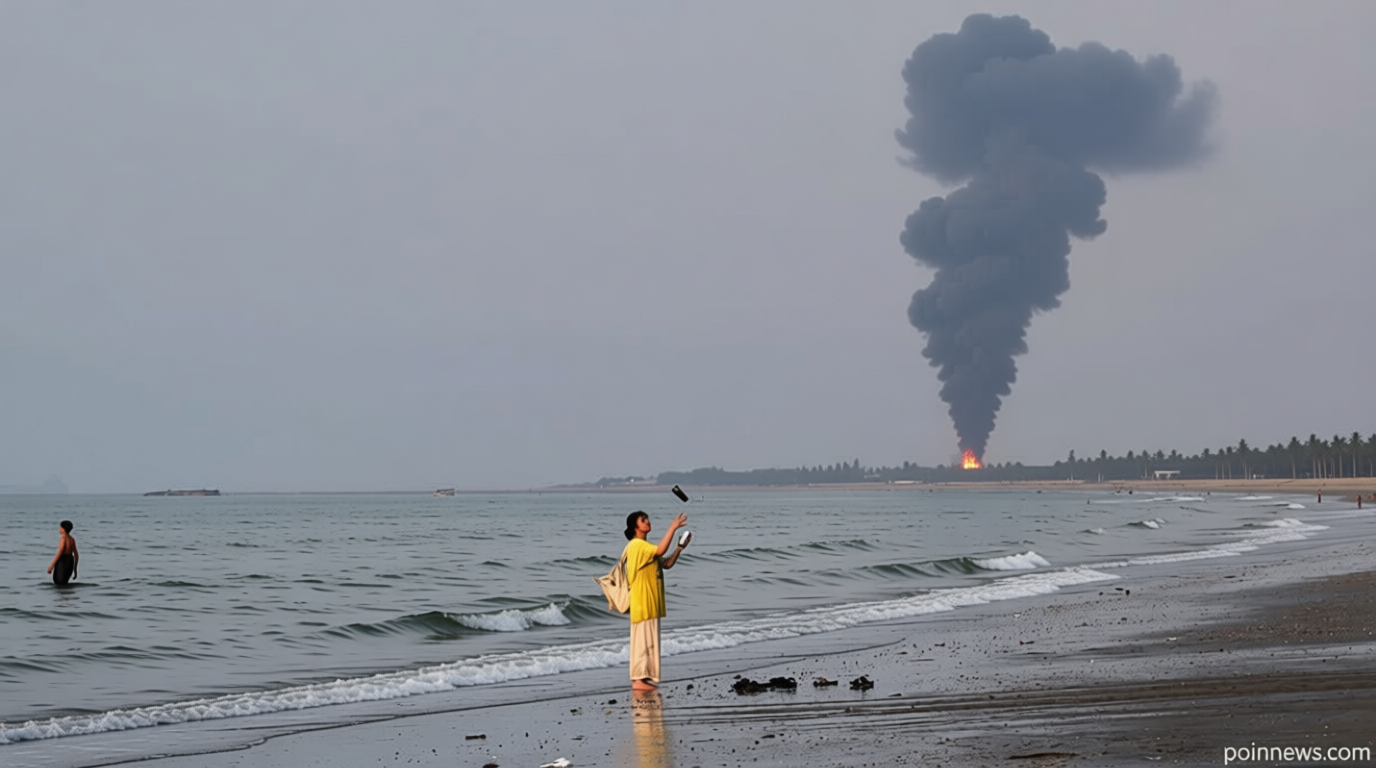
Iran’s military rejects Trump’s claims of US control over Strait of Hormuz as ‘lies’
Iran s military rejects Trump's recent assertions that the United States maintains firm control over the strategically vital Strait of Hormuz, calling the

Table of Contents
Iran s Military Rejects Trump’s Hormuz Control Claims as Lies
Poinews.com – Iran s military rejects Trump’s recent assertions that the United States maintains firm control over the strategically vital Strait of Hormuz, calling the statements outright falsehoods. On Thursday, Iranian military officials issued a strong denial of the American president’s claims, emphasizing that Tehran has never relinquished its sovereign authority over this critical maritime passage. The dispute highlights growing tensions between the two nations regarding regional influence and naval dominance in one of the world’s most important shipping corridors.
Historical Context of Hormuz Strategic Importance
The Strait of Hormuz serves as a crucial chokepoint for global energy supplies, with approximately one-fifth of the world’s oil passing through these narrow waters daily. Iran has consistently maintained that it possesses the right to monitor and regulate maritime traffic through the strait, which separates Iranian territory from the United Arab Emirates and Oman. This historical position forms the foundation of Tehran’s current stance against what it perceives as American overreach in the region.
Iranian military spokesmen have pointed out that the United States has maintained a significant naval presence in the Persian Gulf for decades, yet this presence does not equate to control. The Iranian armed forces argue that foreign military bases and warships stationed in the area are merely there with permission from regional partners, not as a demonstration of American sovereignty over the waterway.
Official Iranian Response and Military Posture
According to statements released by Iranian military authorities, the country’s armed forces remain fully prepared to defend national interests in the Hormuz region. Officials emphasized that any attempt to challenge Iran’s maritime rights would be met with appropriate military response. The Iranian navy has conducted several exercises in recent years demonstrating its capability to close or restrict passage through the strait if necessary.
The Iranian military has made it clear that the Strait of Hormuz is not under foreign control, and any claims suggesting otherwise are nothing more than political propaganda designed to justify American military presence in the region.
Iran s military rejects Trump’s characterization of American dominance, noting that the United States has never formally claimed ownership or exclusive control over the waterway. Iranian officials have also highlighted that multiple nations, including China, Russia, and various European countries, maintain commercial and military interests in the region, further undermining any notion of sole American control.
Regional and International Reactions
The diplomatic fallout from Trump’s statements has extended beyond bilateral relations between Iran and the United States. Several regional partners have expressed concern about escalating tensions, while others have welcomed the clarification of Iran’s position. International shipping companies operating in the Persian Gulf have monitored the situation closely, as any disruption to Hormuz traffic could significantly impact global energy markets.
Analysts suggest that Iran’s firm response may be partly motivated by domestic political considerations, as well as a desire to project strength on the international stage. The military’s rejection of American claims comes at a time when Tehran is seeking to strengthen its relationships with other regional powers and reduce its isolation in the Middle East.
Looking Ahead: Implications for Regional Stability
The ongoing dispute over Hormuz control could have lasting implications for regional security and international relations. Both nations appear committed to their respective positions, with Iran unwilling to back down from its claims of sovereignty and the United States maintaining its strategic interests in the Persian Gulf. Future developments will likely depend on diplomatic negotiations, military posturing, and the broader geopolitical landscape.
Iran s military rejects Trump’s assertions with conviction, and Tehran appears prepared to continue defending its maritime rights through both diplomatic channels and military readiness. The situation remains fluid, with observers watching closely for any signs of escalation or de-escalation in this important regional dispute.
Frequently Asked Questions
What is the Strait of Hormuz and why is it important?
The Strait of Hormuz is a narrow waterway connecting the Persian Gulf to the Gulf of Oman and the Arabian Sea. It is one of the world’s most critical oil shipping routes, with approximately 20% of global oil consumption passing through it daily.
What did Trump claim about US control of Hormuz?
President Trump claimed that the United States maintains firm control over the Strait of Hormuz, a statement that Iranian military officials have strongly rejected as false.
How has Iran responded to these claims?
Iran s military rejects Trump’s claims as lies, issuing official statements denying American control and emphasizing Iran’s sovereign rights over the strategic waterway.
What are the potential consequences of this dispute?
The dispute could lead to increased military tensions in the region, potential disruptions to oil shipments, and broader implications for international relations involving the United States, Iran, and other regional powers.