Video. Putin watches Russian navy drills off Russia’s Sakhalin Island
President Vladimir Putin has once again demonstrated Russia's military strength in the Pacific region as he watched Russian navy drills off the coast of

Putin Watches Russian Navy Drills: A Strategic Display of Power
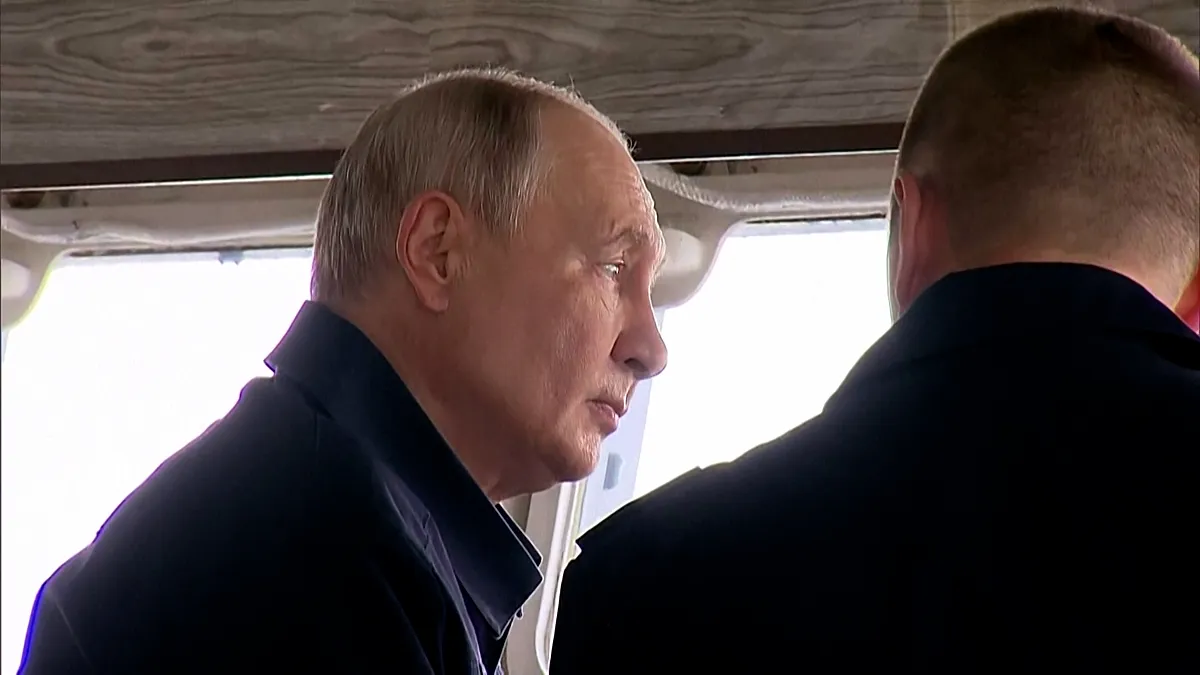
Poinews.com – President Vladimir Putin has once again demonstrated Russia’s military strength in the Pacific region as he watched Russian navy drills off the coast of Sakhalin Island. The footage, released by Russian state television, captured the moment the Russian leader stood aboard the missile cruiser Varyag, the flagship of the Pacific Fleet, observing live-fire naval exercises and a dramatic underwater explosion. This significant event marks another chapter in Russia’s efforts to assert its presence in the Far East, with Putin watching Russian navy drills as part of a broader strategy to strengthen territorial claims and military capabilities in the region.
Historical Context of the Kuril Islands Visit
Following the naval exercises, Putin travelled to one of the archipelago’s four main islands, making this the first visit to the Kuril Islands by a Russian president since Dmitry Medvedev’s historic trip in 2010. The timing of this visit, coinciding with the naval drills, was clearly intentional, sending a powerful message to both regional neighbors and Western allies. As Putin watched Russian navy drills during this period, the geopolitical implications became increasingly apparent, particularly regarding the long-standing territorial dispute with Japan.
The Kuril Islands have been a source of contention between Russia and Japan since 1945, when the Soviet Union seized the archipelago at the end of World War II. Today, the islands are home to approximately 20,000 Russians and hold strategic importance for Moscow due to their military position and access to the Pacific Ocean. The surrounding waters and nearby Sakhalin Island are particularly rich in natural resources, including fishing grounds, oil reserves, and natural gas deposits, making the region economically valuable as well as militarily significant.
Japan’s Prime Minister Sanae Takaichi described the visit as “absolutely unacceptable,” emphasizing that the islands were an inherent part of Japan’s territory. This strong reaction underscores the sensitivity of the issue and the potential for diplomatic tensions to escalate.
Foreign Minister Toshimitsu Motegi also took diplomatic action by summoning Russia’s ambassador in Tokyo to lodge a formal protest. Motegi warned that the visit could further damage already strained relations between the two nations. The combination of Putin’s presence on the disputed islands and the simultaneous naval drills off Sakhalin Island created a multifaceted demonstration of Russian power that Japan found particularly provocative.
Strategic Implications for Regional Security
The timing of Putin watching Russian navy drills near the Kuril Islands was not coincidental. Military analysts suggest that the exercises were designed to showcase Russia’s naval capabilities and reinforce its territorial claims in the region. The live-fire drills and underwater explosions demonstrated the Pacific Fleet’s readiness and capability to project power in the area, particularly in response to growing Japanese and Western military presence in the Pacific.
This strategic display comes at a time when Russia is seeking to strengthen its position in the Asia-Pacific region. The naval exercises off Sakhalin Island serve multiple purposes: they demonstrate military readiness, showcase technological capabilities, and send a clear message to potential adversaries about Russia’s commitment to defending its interests in the region. As Putin watched Russian navy drills, the international community took note of the growing military footprint in the Far East.
The drills also highlighted Russia’s ability to conduct complex naval operations in challenging conditions. The Pacific Fleet, under the command structure that Putin observed firsthand, demonstrated its capacity to coordinate multiple elements of naval warfare simultaneously. This capability is particularly important given the strategic location of Sakhalin Island and the Kuril archipelago, which serve as gateways to the Pacific Ocean from the Sea of Japan.
Regional and International Reactions
The international response to Putin’s visit and the accompanying naval exercises has been varied but generally cautious. While Russia has framed the drills as routine exercises, many Western observers view them as part of a broader pattern of Russian assertiveness in the region. The combination of the presidential visit to the disputed islands and the naval drills off Sakhalin Island has been interpreted by many as a coordinated effort to strengthen Russia’s position in the Pacific.
Japan’s reaction has been particularly strong, with political leaders from across the spectrum expressing concern about the implications of Putin’s visit. The Japanese government has called for increased dialogue with Russia while simultaneously strengthening its own military presence in the region. This dual approach reflects Japan’s recognition of both the diplomatic and military dimensions of the situation.
Looking Ahead: What Comes Next?
As the region looks toward the future, the implications of Putin watching Russian navy drills near the Kuril Islands will likely be felt for years to come. The exercises have set a precedent for future Russian naval operations in the area, and the presidential visit has reinforced Moscow’s commitment to maintaining its presence on the disputed islands. Both Russia and Japan will need to navigate these developments carefully as they seek to manage their relationship while protecting their respective interests.
The strategic importance of the region is unlikely to diminish in the coming years. With growing competition in the Asia-Pacific region and increasing attention to energy resources and maritime security, the Kuril Islands and Sakhalin Island will remain focal points for international attention. The naval drills that Putin observed serve as a reminder of the region’s significance and the complex dynamics at play in this critical area of the world.
Frequently Asked Questions
Q: What is the significance of Putin watching Russian navy drills off Sakhalin Island? A: The event demonstrates Russia’s military strength and territorial claims in the Pacific region, particularly regarding the disputed Kuril Islands. It showcases the Pacific Fleet’s capabilities and reinforces Russia’s strategic position in the Far East.
Q: When was the last time a Russian president visited the Kuril Islands? A: The last visit was by President Dmitry Medvedev in 2010, making Putin’s recent visit the first by a Russian president in over a decade.
Q: Why are the Kuril Islands important to Russia? A: The Kuril Islands are strategically important for their military position, access to the Pacific Ocean, and the rich natural resources in the surrounding waters, including fishing, oil, and gas deposits.
Q: How has Japan responded to Putin’s visit? A: Japan’s Prime Minister Sanae Takaichi called the visit “absolutely unacceptable,” while Foreign Minister Toshimitsu Motegi summoned Russia’s ambassador to lodge a formal protest, warning of potential damage to bilateral relations.
Q: What was the Varyag’s role during the naval drills? A: The Varyag, as the flagship of the Pacific Fleet, served as the command vessel where President Putin observed the live-fire naval exercises and underwater explosions during the drills.