Amid the Ceuta crisis, how do EU citizens view refugees?
The recent displacement crisis in Ceuta has reignited debate across Europe about migration policy. At the close of July, approximately 80,000 individuals

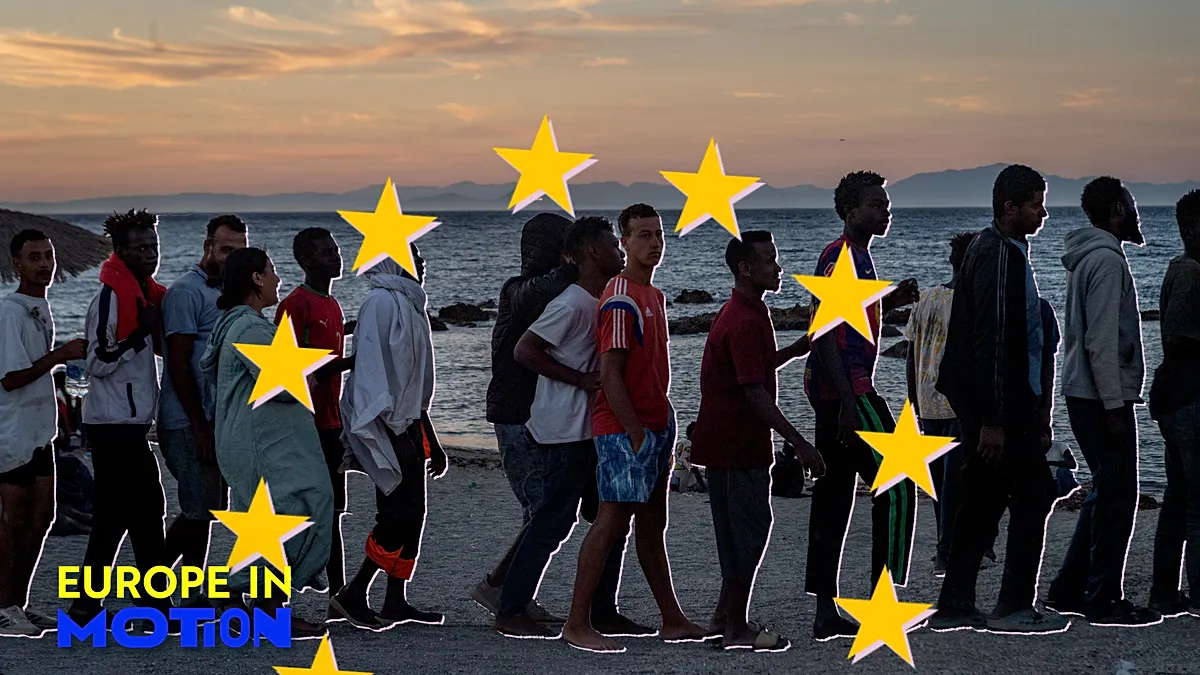
Table of Contents
European Public Opinion on Refugees During the Ceuta Migration Surge
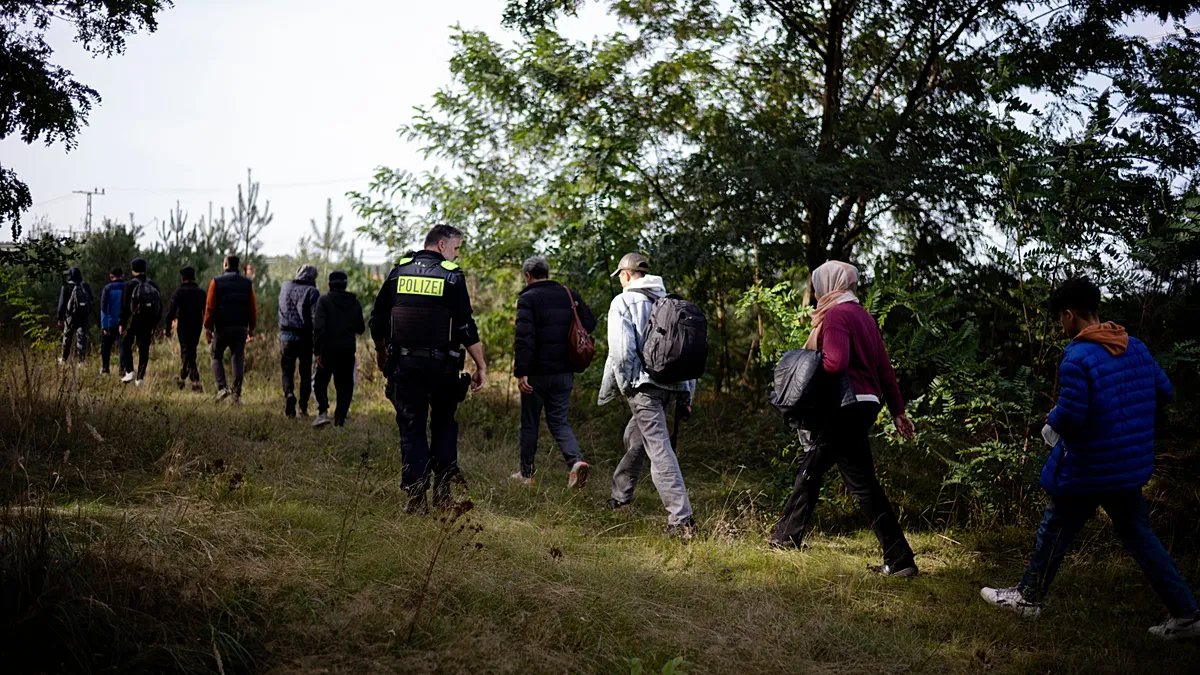
Poinews.com – The recent displacement crisis in Ceuta has reignited debate across Europe about migration policy. At the close of July, approximately 80,000 individuals crossed from Morocco into the Spanish territory within a mere two-day window, highlighting the scale of movement that continues to shape continental discourse.
Even though the total refugee population worldwide declined by three percent during 2025 relative to late 2024, according to UNHCR data, the subject remains highly salient. Public interest has grown substantially, with Google search volume related to migration rising by one hundred fifty percent over the previous half-decade.
Regional Variations in Support
The Ipsos Global Attitudes Towards Refugees 2026 survey reveals notable differences in how Europeans respond to displaced populations. Nordic and Western nations demonstrate stronger backing for asylum seekers. Nearly eighty percent of respondents in Sweden, the Netherlands, and Spain agree that individuals should have the opportunity to seek refuge when fleeing conflict or persecution.
Conversely, Central and Eastern European nations express more cautious attitudes. Hungary and Poland each record the lowest levels of support among EU member states, with only fifty-four percent of citizens in both countries favoring refugee acceptance.
Divergent Policy Preferences
Views on appropriate governmental responses vary considerably. In Hungary, Belgium, and Germany, more than half of surveyed individuals argue their nation should temporarily halt all refugee admissions. However, attitudes have evolved in certain countries. France has seen a substantial increase in pro-refugee sentiment, climbing from forty-three percent in 2019 to sixty-eight percent currently.
Some respondents question the authenticity of claims, while others emphasize international responsibility.
Skepticism about genuine need appears in multiple nations. Fifty-four percent of Germans believe many self-identified refugees possess sufficient financial means, pointing to evidence such as smartphone ownership or the ability to pay smuggling fees. Dutch respondents show similar concerns, with forty-six percent asserting that authentic refugees would remain in the first secure destination rather than continuing onward.
Economic Motivations and Global Responsibility
Perceptions about why people migrate also differ geographically. Over sixty percent of respondents in Germany and Ireland contend that most refugees primarily seek economic opportunities or wish to access welfare systems. Swedish and Italian populations disagree with this assessment more frequently than other nations.
When considering who should bear greater responsibility for supporting displaced populations, perspectives diverge. Thirty percent of German respondents feel wealthier countries ought to increase their contributions. Meanwhile, citizens in other surveyed nations predominantly point to international institutions like the United Nations and the World Bank as the appropriate entities to expand their financial commitments. A smaller but notable segment also advocates for charitable foundations and non-governmental organizations to enhance their funding efforts for refugee assistance programs.
Related Reading
Frequently Asked Questions
What is Amid the Ceuta crisis how do EU?
Amid the Ceuta crisis how do EU is the main topic of this guide. The article explains the context, practical details, and next steps readers should understand.
Why does Amid the Ceuta crisis how do EU matter?
Amid the Ceuta crisis how do EU matters because readers are looking for a useful answer, not just a short summary. Good content should match search intent and help them decide what to do next.