‘A secret had been shared’: The inside story of an emergency climate briefing that made experts cry
Westminster Central Hall, the historic chamber sitting directly across from the Houses of Parliament, filled to near capacity with almost 1,300 attendees

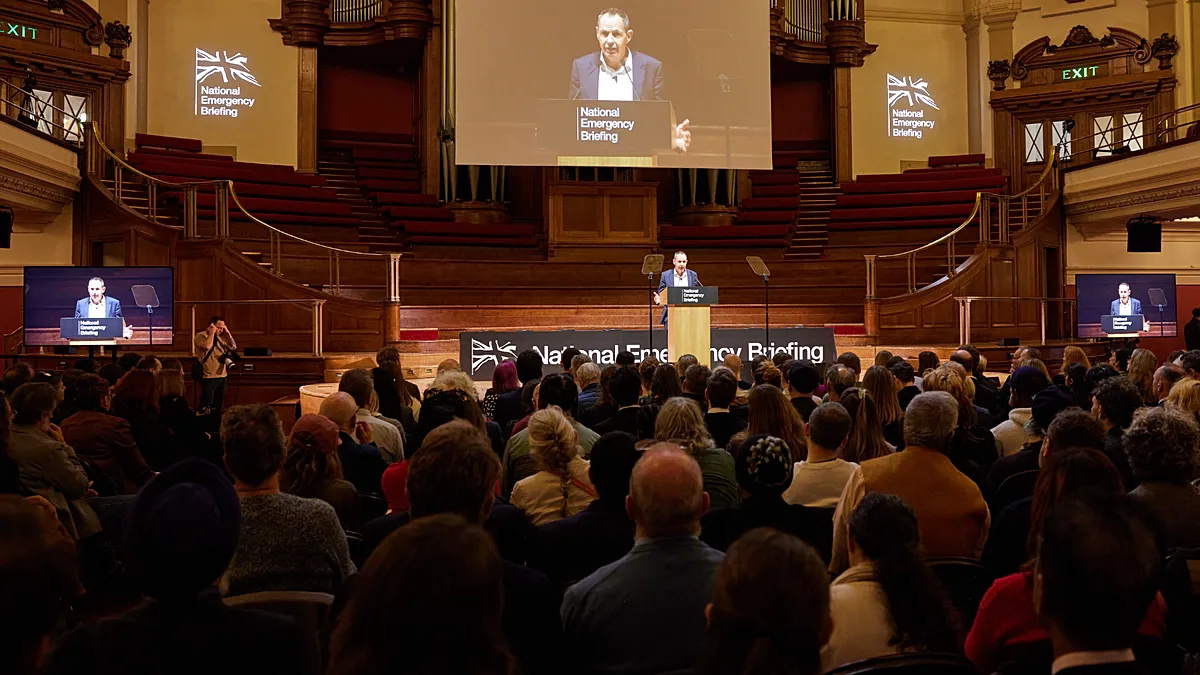
Table of Contents
When Scientists Took the Lectern: Inside the People’s Emergency Briefing
Poinews.com – Westminster Central Hall, the historic chamber sitting directly across from the Houses of Parliament, filled to near capacity with almost 1,300 attendees. Politicians, senior industry figures, and government scientists packed the seats while a line of climate experts took turns at the lectern, each allotted ten minutes to walk through the hard data on how a warming planet is reshaping weather patterns, food systems, public health, and national security. No media filter stood between the speakers and the audience. The room fell silent. By the time the final presentation ended, hardened NGO veterans were stepping out of the hall saying they had been “profoundly moved.” Many people wept.
“There was a profound feeling of that pain being inspired and uplifted, as if a secret had finally been shared. As if they’re finally watching something get witnessed by everybody together. There was a huge, palpable sense of relief in that room.”
The words belong to Nick Oldridge, climate science communicator, speaking during a video call about an event he co-organised with his brother Simon. What began as a conversation sparked by television screens in living rooms across Europe has now produced a fifty-minute film titled the People’s Emergency Briefing, and the team behind it wants every person over sixteen to watch it.
From Pandemic Screens to Climate Screens
During the height of the coronavirus crisis, governments across Europe put their leaders and chief scientists on national television, standing behind podiums to report death tolls, transmission rates, and behavioural guidance. For many households, daily life orbited those broadcasts. Group chats overflowed with debate over whether the latest expert remarks would alter plans for socialising or self-isolation.
It was amid one such broadcast that Simon Oldridge, a science communicator, posed a question: why not replicate that format for the climate emergency? Imagine experts returning the facts to the public table — detailing how climate change is progressing, how it is already disrupting food supplies and healthcare, and what the population must do in response. The concept became the National Emergency Briefing, or NEB.
Simon recruited his brother Nick, and together they devised a plan to place leading UK scientists directly in front of politicians and influential heads of industry. The audience would then be given the chance to question the experts face to face. The logic was straightforward: pandemic briefings had compelled an entire nation to sit up and, largely, comply. Could a climate briefing trigger comparable urgency at national scale?
“The moment in time when we all sat in front of our TVs and listened to an expert, it was quite a moment, wasn’t it? Because you realise that the majority of our fellow country people respect the rule of law, value their communities, and want to act for the benefit of others.”
Designing the Tone
To replicate the gravity of those pandemic addresses, the team made a deliberate choice about presentation. Nick explains that the briefing had “to look and feel and sound like we are the government.” That directive came from collaborators who had previously worked as creative directors in the notoriously cutthroat advertising sector. The Oldridges showed up in sharp suits they never normally wear, and every visual element was engineered to speak the language of boardroom decision-makers — people who, in Nick’s words, believe they are “indestructible” and that nothing can truly harm them.
The strategy landed. The event was invite-only, and demand exploded. Emails arrived from figures such as the government chief scientist asking whether they could attend. Nick likens the experience to “owning a really famous nightclub.”
The Film and What Comes Next
The scientists’ presentations were recorded on camera. Those recordings were then shown to a cross-section of the general public alongside a handful of celebrities, including Jennifer Saunders. Their reactions were captured on film as well — another technique borrowed from the former advertising executives to heighten engagement. The finished product is the fifty-minute People’s Emergency Briefing.
The NEB team’s stated goal is universal viewing: every person aged sixteen and above, drawn from every stratum of society, should see the film. The scientists deliver their findings in plain, unvarnished language, and each presentation closes on an empowering note — a concrete explanation of what can be done, starting immediately, to steer clear of the catastrophic trajectory that inaction guarantees.
Related Reading
Frequently Asked Questions
What is A secret had been shared?
A secret had been shared is the main topic of this guide. The article explains the context, practical details, and next steps readers should understand.
Why does A secret had been shared matter?
A secret had been shared matters because readers are looking for a useful answer, not just a short summary. Good content should match search intent and help them decide what to do next.