‘Explosive cocktail’: El Niño raises fears of summer wildfires in Portugal
gal? Explosive cocktail - The term 'explosive cocktail' aptly describes the heightened danger of wildfires in Portugal this summer, as the El Niño phenomenon

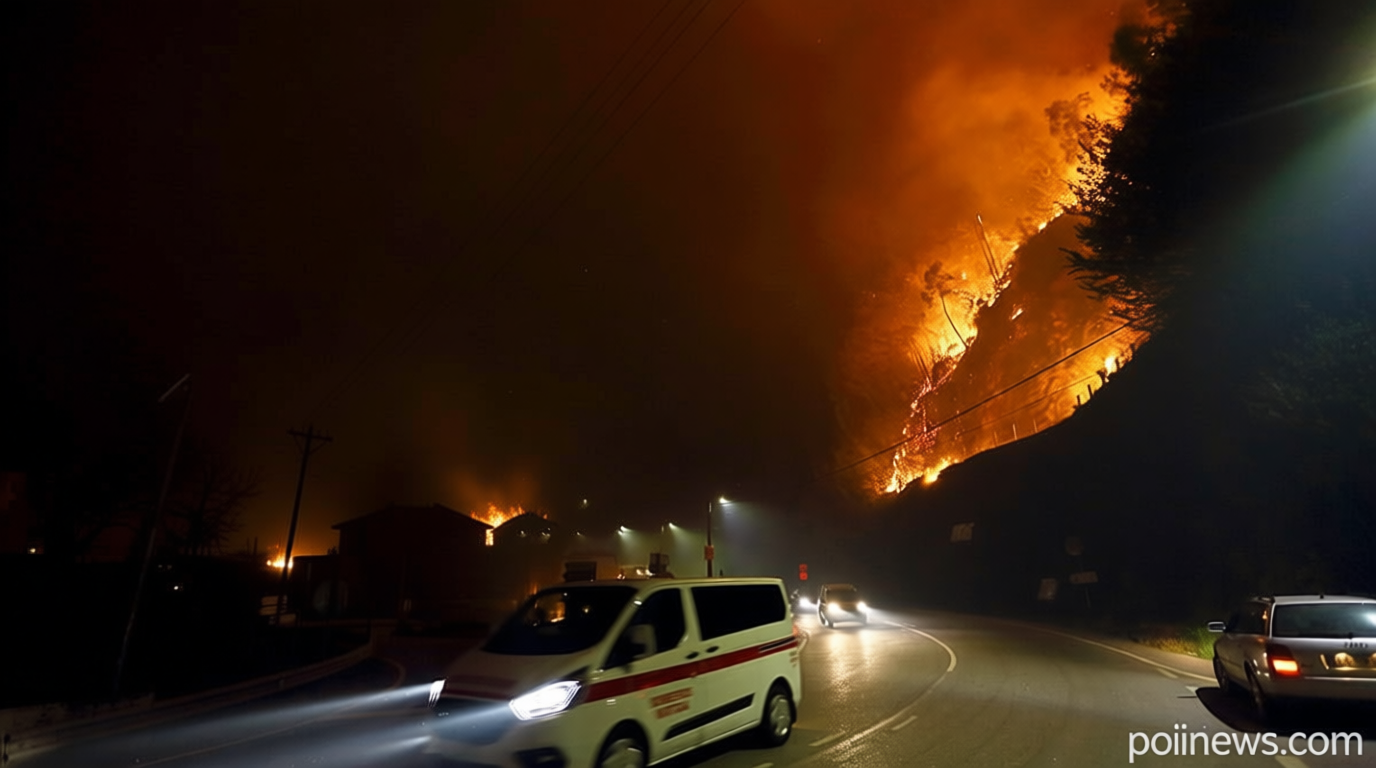
El Niño’s Impact: A Summer Fire Risk in Portugal?
Poinews.com – The term ‘explosive cocktail’ aptly describes the heightened danger of wildfires in Portugal this summer, as the El Niño phenomenon intensifies its influence across the globe. According to the Portuguese Institute for Sea and Atmosphere (IPMA), the region is bracing for extreme heat conditions, which could combine with dry vegetation to create a volatile situation. The European Commission’s Joint Research Centre (JRC) has confirmed that El Niño is “virtually certain” to occur this year, potentially lasting into 2027. With its “very high” intensity, the phenomenon is expected to amplify existing climate challenges, including prolonged droughts and rising temperatures, making the upcoming summer a critical period for Portugal’s fire-prone landscapes.
Recent updates from the World Meteorological Organization (WMO) suggest a 90% probability that El Niño will persist through the summer months, creating an ‘explosive cocktail’ of environmental stressors. The event’s effects are not limited to the Pacific Ocean; they ripple across continents, influencing weather patterns in regions far removed from its origin. For Portugal, this means a combination of high-pressure systems and reduced rainfall, which could lead to record-breaking heatwaves. While El Niño’s direct impact on Portugal’s climate is less pronounced, its indirect consequences—such as increased aridity and stronger winds—are significant enough to raise alarms about the potential for widespread wildfires.
El Niño and Climate Change: A Perfect Storm
Climate scientists warn that the convergence of El Niño and global warming is creating an ‘explosive cocktail’ of conditions that could overwhelm Portugal’s natural resilience. The JRC has highlighted that El Niño’s warming effect is likely to exacerbate the already rising temperatures, which have been steadily increasing over the past decades. This combination is not just a threat to weather patterns but also to ecosystems and human health. With higher-than-average temperatures projected for the summer, the risk of wildfires could surpass historical norms, particularly in regions with dense vegetation and limited moisture reserves.
Carlos da Camara, a senior researcher at the Dom Luiz Institute, explains that El Niño’s influence on Portugal is more indirect than direct. “The phenomenon originates in the central Pacific, but its effects cascade through the atmosphere, impacting regions like the Iberian Peninsula,” he states. The researcher points to the 2003 European heatwave as a precedent, noting that similar conditions could lead to catastrophic wildfires if combined with current levels of biomass accumulation. “The ‘explosive cocktail’ of heat and dryness, paired with the increased vegetation from past rainfall, creates a scenario where even small sparks could ignite large-scale fires,” he adds.
Wildfire Risks and Public Health Concerns
As the ‘explosive cocktail’ of El Niño and climate change takes hold, Portugal’s public health systems face unprecedented challenges. The IPMA forecasts that temperatures will rise sharply, with inland regions potentially reaching 40°C or higher. Such extreme heat not only increases the likelihood of spontaneous combustion in dry grasslands and forests but also strains healthcare infrastructure, particularly for vulnerable populations. Wildfires can lead to air quality degradation, respiratory illnesses, and even heat-related fatalities, making the summer a critical time for both environmental and health preparedness.
The JRC has also warned that the ‘explosive cocktail’ of El Niño and higher atmospheric temperatures could disrupt rainfall patterns in Portugal. Normally, the summer months bring a mix of hot and humid weather, but this year, the combination of El Niño’s influence and climate change is expected to create a drier, hotter environment. This shift could reduce the frequency of rain events, leaving the ground parched and the vegetation highly flammable. With over 50% of Portugal’s land area classified as fire-prone, the risk of uncontrolled blazes has never been greater, especially during the peak of the dry season.
Local authorities are already working to mitigate the risks posed by the ‘explosive cocktail’ of factors. Firefighters have been deployed to high-risk areas, and deforestation efforts are being accelerated to reduce fuel availability. However, these measures may not be sufficient to counter the scale of potential wildfires. The IPMA emphasizes that while predictions are based on current models, the interplay between El Niño and climate change introduces a level of uncertainty that demands proactive planning. “We are entering a phase where the ‘explosive cocktail’ could lead to conditions we have not seen in recent years,” says a spokesperson from the Portuguese government’s environmental department.
International Response and Climate Preparedness
Experts from the United Nations have echoed concerns about the ‘explosive cocktail’ of El Niño and climate change, warning that the situation could worsen if global efforts to reduce emissions remain insufficient. António Guterres, UN Secretary-General, stated, “The world must treat this threat as a climate alarm bell. El Niño will further intensify global heating, and its impacts will be more severe, reaching further and crossing borders at devastating speed.” This statement underscores the need for international cooperation in addressing the root causes of climate change, which in turn could reduce the frequency and intensity of such ‘explosive cocktail’ events in the future.
For Portugal, the ‘explosive cocktail’ of El Niño and climate change has already prompted a series of emergency measures. The country’s agriculture sector, which is particularly vulnerable to drought, has been urged to adopt more resilient practices. Additionally, water management strategies are being reviewed to ensure adequate resources are available for firefighting and community cooling. While these efforts are critical, they may not be enough to prevent the worst-case scenarios. The IPMA and other agencies are closely monitoring conditions, with the goal of providing early warnings and enabling timely interventions to minimize damage from the ‘explosive cocktail’ of summer wildfires.