‘Putting biodiversity in our hands’: British wildlife will soon be celebrated on banknotes
: British Wildlife to Be Celebrated on Banknotes Putting biodiversity in our hands has taken a significant step forward as the UK’s Bank of England prepares

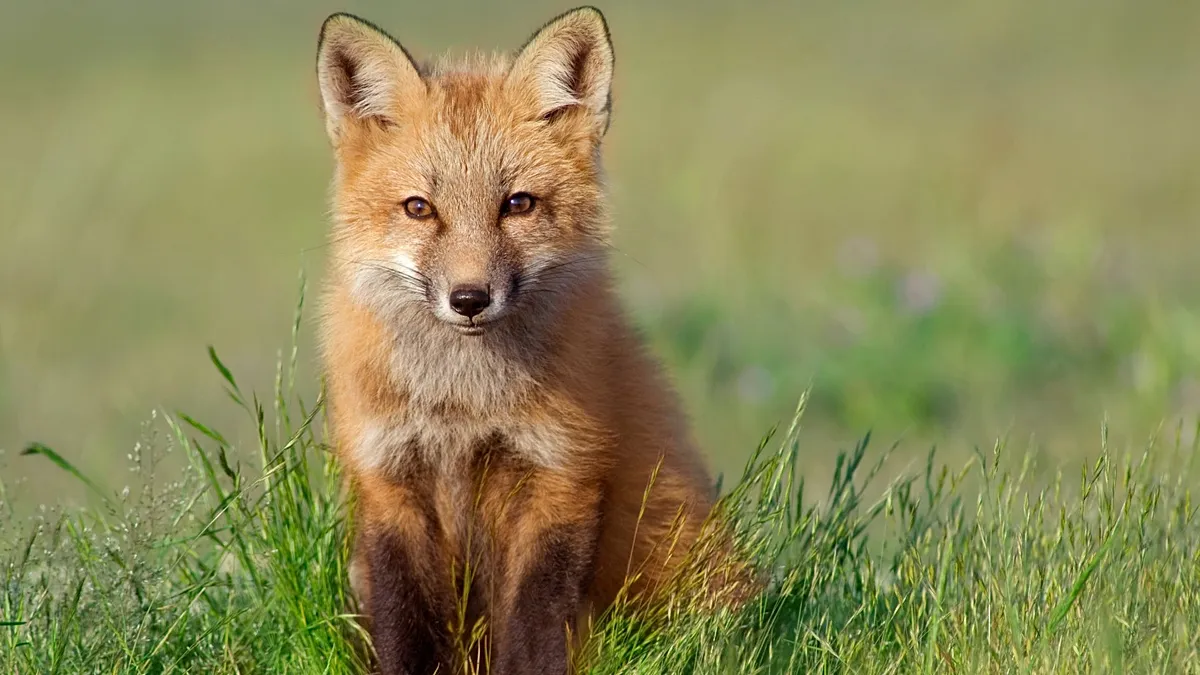
Putting Biodiversity in Our Hands: British Wildlife to Be Celebrated on Banknotes
Poinews.com – Putting biodiversity in our hands has taken a significant step forward as the UK’s Bank of England prepares to feature native wildlife on its banknotes. The decision follows a public consultation that saw 44,000 participants overwhelmingly support the inclusion of nature imagery over historical figures such as Winston Churchill. The final selection of species will be announced later this year, marking a historic shift in how the nation commemorates its heritage. By showcasing iconic animals, the redesign aims to foster a deeper connection between citizens and the natural world, while also promoting conservation efforts through everyday currency.
Why Nature Holds Cultural and Ecological Significance
Nature has long been woven into the fabric of British identity, from the misty landscapes of the Lake District to the bustling wildlife of urban areas. Gordon Buchanan, a Scottish wildlife filmmaker and member of the expert panel, highlighted the symbolic role of biodiversity in shaping national character. “Nature is more than just scenery—it is the living thread that binds our landscapes, our history, and our future together,” he said. This sentiment resonates with a growing movement to recognize the intrinsic value of ecosystems and species, not just as aesthetic elements but as vital components of ecological resilience.
“This is a powerful reminder of how deeply people feel connected to and value British wildlife,” noted Ali Fisher, founder of Plans with Purpose. “It’s a beautiful opportunity to put biodiversity literally in all our hands.”
Environmentalists argue that the banknote redesign could serve as a catalyst for public engagement with conservation. By placing nature at the center of national currency, the Bank of England is amplifying its visibility and potentially inspiring greater stewardship of the environment. The move also reflects a broader cultural shift toward valuing ecological heritage, as more communities advocate for sustainable practices and biodiversity protection.
Banknotes as a Tool for Conservation Awareness
Victoria Cleland, chief cashier at the Bank of England, explained that the design change aligns with both practical and symbolic goals. While the new banknotes will enhance counterfeit resistance through advanced nature-inspired features, they also aim to spark curiosity about the UK’s rich wildlife. “Nature is a great choice from a banknote authentication perspective,” she said, noting that elements like textures and patterns inspired by natural forms are easier for the public to recognize. This approach could encourage people to learn more about the species featured, turning everyday transactions into moments of ecological education.
Moreover, the integration of native flora and fauna into currency design could inspire a sense of pride in local biodiversity. By highlighting creatures such as the red squirrel or the badger, the notes might prompt discussions about habitat preservation and the importance of maintaining ecological balance. This strategy underscores how public policy and financial systems can intersect to support environmental causes, creating a tangible link between economic activity and conservation efforts.
Debates Over Representation and Inclusivity
The inclusion of wildlife on banknotes has sparked discussions about which species should be prioritized. The Royal Society for the Protection of Birds (RSPBA) has called for greater representation of Britain’s “least-loved” creatures, such as pigeons, gulls, and foxes, to challenge common perceptions of wildlife value. “What about the pigeons who have been our friends for thousands of years, or rats, with their amazing memories, or even gulls, with their amazing levels of intelligence?” asked Geoff Edmond of the RSPCA. “They are all fascinating wild animals in their own right—and deserve recognition too.”
“It’s great that the Bank of England has pulled together a diverse shortlist… although we would love to see more animal underdogs make the cut,” remarked Dr. Ros Clubb, Head of Wild Animals at the RSPCA.
Some critics argue that the focus on charismatic megafauna might overshadow less popular species, potentially reinforcing the idea that only certain animals are worthy of conservation attention. However, proponents believe that the redesign could also serve as a platform to educate the public about the full spectrum of biodiversity. By featuring a variety of species, the Bank of England might encourage a more holistic appreciation of the natural world, ultimately driving broader support for environmental initiatives.
Global Examples of Nature-Inspired Currency
The Bank of England joins a growing list of central banks worldwide that have embraced nature-themed currency. In Scotland, banknotes already celebrate animals such as mackerel, otters, and red squirrels, reflecting the country’s unique ecological heritage. Norway’s latest krone series highlights its coastline through wave motifs and includes depictions of Atlantic cod and herring, emphasizing the nation’s marine resources. Similarly, Switzerland transitioned from famous personalities in 2016, incorporating elements like wind, water, and light into its designs, with an upcoming series focusing even more on native plants and Alpine landscapes.
Meanwhile, the European Central Bank is exploring designs that emphasize birds and rivers across the continent, signaling a regional trend toward merging ecological themes with monetary systems. These examples demonstrate that the UK’s initiative is part of a larger global effort to celebrate biodiversity through tangible symbols. By aligning with international precedents, the Bank of England’s redesign could reinforce the importance of preserving natural ecosystems as a shared priority for nations and their citizens.
Future Implications for Biodiversity and Public Perception
Experts suggest that the new banknotes could have long-term benefits for biodiversity conservation. The visibility of these species in daily transactions may increase public awareness of their ecological roles and the threats they face. For instance, featuring the red squirrel or the adder could highlight the challenges of habitat loss and climate change, prompting conversations about how to protect these animals. Additionally, the inclusion of native wildlife might inspire a new generation of conservationists, particularly among children who encounter these images regularly.
Putting biodiversity in our hands is not just about aesthetic appeal—it’s about creating a lasting reminder of the UK’s natural heritage. As the final selection of species approaches, the Bank of England faces the challenge of balancing public sentiment with scientific and ecological considerations. The success of this initiative could set a precedent for other nations to follow, proving that currency design can be a powerful tool in promoting environmental stewardship and celebrating the planet’s diverse life forms.