Watch: Inside the deepest diplomatic crisis between Poland and Ukraine
Watch: Inside the Deepest Diplomatic Crisis Between Poland and Ukraine A Controversial Naming Sparks Tensions Watch: Inside the deepest diplomatic crisis

Watch: Inside the Deepest Diplomatic Crisis Between Poland and Ukraine
A Controversial Naming Sparks Tensions
Poinews.com – Symbols often shape political narratives, and this incident is no exception. A recent decision by Ukrainian President Volodymyr Zelenskyy to rename a military unit after the “UPA Heroes” has ignited a significant rift with Poland. The move, intended to commemorate the unit’s actions on the battlefield, has prompted Polish President Karol Nawrocki to consider revoking Zelenskyy’s highest state honor, the Order of the White Eagle.
Historical Divides and Modern Consequences
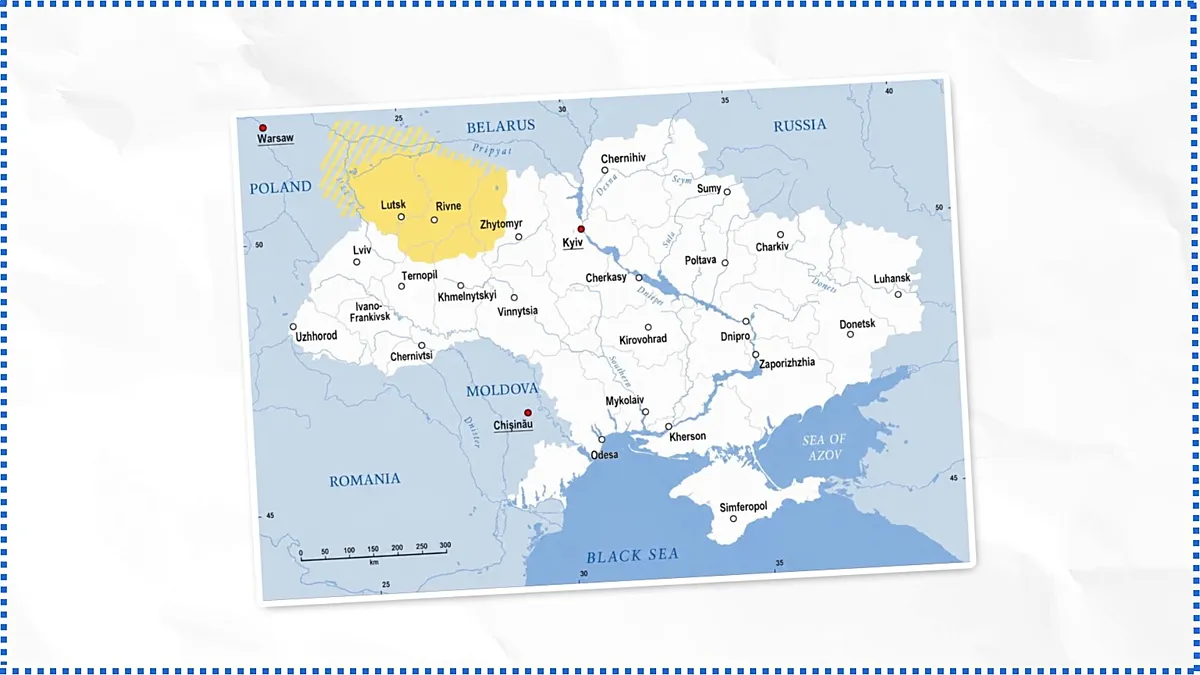
For Poland, the UPA—Ukrainian Insurgent Army—represents a dark chapter of the 1940s. The group is linked to a campaign of ethnic cleansing that claimed the lives of approximately 100,000 Polish civilians in Volhynia, a region historically shared by both nations. This violence also targeted Jewish survivors who had escaped the Holocaust. In contrast, Ukraine views the UPA as a symbol of resistance against Soviet rule and a beacon of national independence.
As Ukraine faces the Russian invasion, this historical narrative is seen as a source of strength. Officials stress that the naming decision was a request from frontline soldiers, reflecting their pride in the unit’s performance without any intent to offend Poland. Yet Polish leaders insist the memory of the victims is central to their national identity, and any attempt to reframe the UPA’s role is viewed as a threat to historical truth.
Strategic Implications for EU Relations
The growing tension has raised concerns about the future of Poland’s relationship with Ukraine. Some in Warsaw have suggested halting Ukraine’s EU accession process due to the dispute, highlighting the potential for a deeper strategic divide. Public sentiment is also being tested, as unresolved grievances risk undermining the trust between the two nations.
Polish Prime Minister Donald Tusk has urged both sides to avoid letting historical grievances erode their partnership. “A prolonged conflict only serves Moscow’s interests,” he warned, emphasizing the need for cooperation to safeguard shared security. While the UPA remains a polarizing figure, Tusk’s message underscores the importance of uniting against external threats rather than allowing past wounds to fracture the alliance.
“Ukrainian officials emphasise that the designation was a grassroots request from front-line soldiers with no anti-Polish intentions.”
“A prolonged conflict, Tusk warned, ultimately only serves the strategic interests of Moscow.”
History has shown that even deep-seated conflicts can be reconciled through mutual effort, as seen in the Polish-German reconciliation process. For now, the dispute over the UPA’s legacy serves as a reminder that symbols can bridge or divide nations, depending on how they are interpreted.