Newsletter: EU leaders poised for battle over cash
Brussels, June 19, 2026: EU Leaders Set to Clash Over Key Issues Newsletter - The EU summit in Brussels has entered its decisive phase, with leaders from

Table of Contents
Brussels, June 19, 2026: EU Leaders Set to Clash Over Key Issues
Poinews.com – The EU summit in Brussels has entered its decisive phase, with leaders from across the 27-member bloc expected to engage in heated debates over pressing economic and political challenges. As highlighted in the newsletter, this week’s meetings are shaping up to be a pivotal moment for the union’s future, particularly as discussions around trade policies, budget allocations, and diplomatic strategies intensify. The newsletter serves as a vital resource for keeping readers informed about the evolving dynamics and key decisions that will influence Europe’s direction.
Emerging Diplomatic Tensions with Russia
On the second day of the summit, European Council President António Costa surprised attendees by initiating direct talks with Moscow, aiming to ease tensions over recent geopolitical developments. The newsletter reports that this move has sparked mixed reactions, with some leaders expressing support for the initiative while others criticize the lack of prior consultation. Costa’s chief of cabinet, Pedro Lourtie, reportedly engaged in backchannel communications with a Russian advisor, further fueling concerns about the EU’s coordinated approach. The strategy of engaging with Russia is seen as a potential breakthrough, though it may complicate negotiations on Ukraine’s membership bid.
“A number of leaders have quietly endorsed Costa’s efforts to engage with Moscow, believing it could create a new diplomatic avenue,” said an EU official in the newsletter. “However, the push for Ukraine remains a central focus, and this shift may test the bloc’s unity.”
Ukraine’s Membership Drive Sparks Internal Fractures
Ukrainian President Volodymyr Zelenskyy’s demands for accelerated EU membership have intensified during the summit, with the newsletter noting that this remains a divisive issue. Zelenskyy called on leaders to finalize Kyiv’s fast-track accession, arguing that Ukraine’s integration is critical to securing long-term stability in Eastern Europe. However, member states like Germany and France have urged caution, citing the need for a more thorough assessment of Ukraine’s readiness. The newsletter emphasizes that the debate over Ukraine’s membership reflects deeper ideological splits within the EU, as some nations prioritize economic partnerships while others stress political alignment.
China Trade Measures and the EU’s Strategic Response
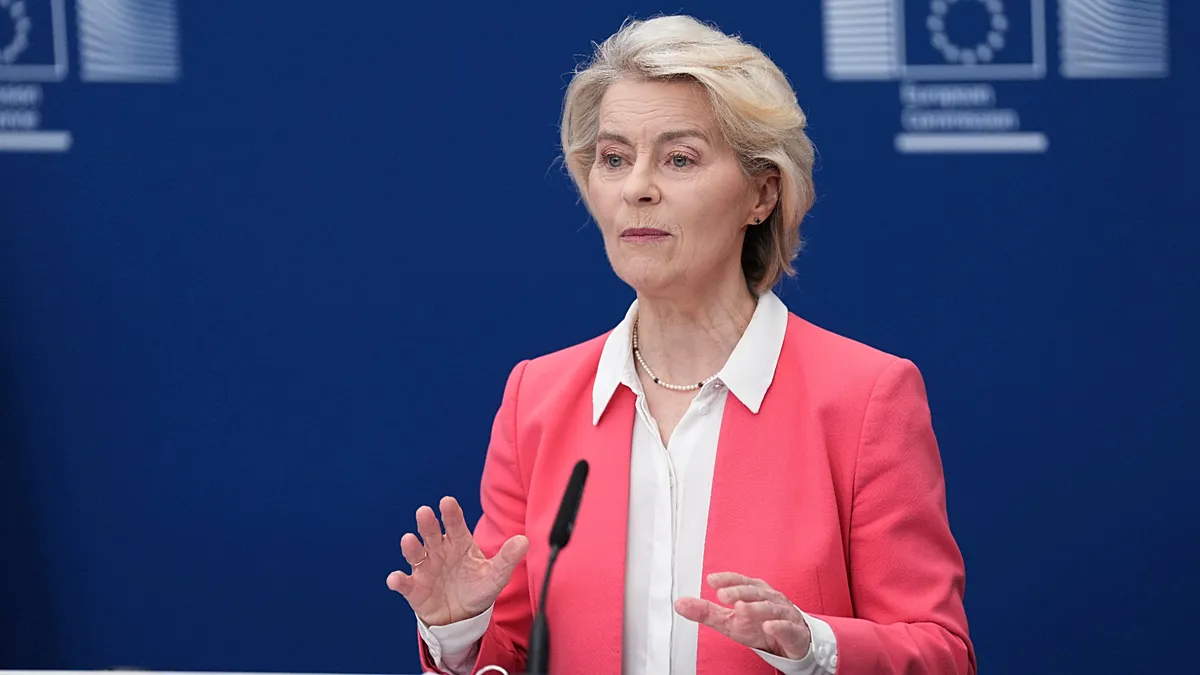
A major topic of discussion has been the EU’s strategy to counter China’s growing economic influence. The newsletter reports that leaders have agreed to grant European Commission President Ursula von der Leyen the authority to implement new measures, including anti-dumping duties and targeted tariffs, to address the €360 billion trade deficit with Beijing. Von der Leyen, a key figure in the newsletter’s analysis of EU trade policy, has been working closely with her team to draft proposals that balance protectionist actions with the need to maintain global supply chains.
“The newsletter underscores that these measures are part of a broader effort to safeguard the EU’s economic interests while avoiding a full-scale trade war,” said a trade analyst. “The challenge lies in ensuring consistency across member states, which have varying priorities in this matter.”
Despite the consensus, some nations remain wary of escalating conflicts with China, fearing retaliatory measures that could disrupt industries reliant on Asian imports. The “Friends of Cohesion” coalition, which includes 16 member states, is likely to push back against budget cuts proposed to fund these trade initiatives, as the newsletter has detailed in recent updates.
Budget Disputes and the Road to EU Financial Stability
The summit has also become a battleground over the EU’s Multi-Annual Financial Framework (MFF), with the newsletter highlighting the stark divide between pro-spending and austerity-focused nations. The Cypriot EU Presidency’s initial proposal, which allocated €32.8 billion from the €2 trillion budget, has been met with resistance from countries like Sweden and the Netherlands, which argue that the amount is excessive. The newsletter notes that the debate over the MFF is not just about numbers—it reflects broader disagreements on how to distribute resources amid rising inflation and energy crises.
“The newsletter has tracked the evolution of this dispute, revealing that political pressures from upcoming elections in France and Poland are shaping the outcome,” added a financial policy expert. “Leaders are now forced to weigh immediate needs against long-term investments.”
With the deadline for the MFF nearing, the newsletter reports that negotiations are expected to intensify, particularly as the bloc seeks to balance its commitments to agriculture, climate initiatives, and defense spending. The outcome of these discussions could determine the EU’s ability to respond to both internal and external challenges in the coming years.
In other developments, the newsletter highlights that the planned Memorandum of Understanding signing ceremony between Iran and the U.S. in Switzerland has been postponed, adding uncertainty to regional diplomacy. Meanwhile, hostilities between Hezbollah and Israel in southern Lebanon continue, with the EU monitoring the situation closely for potential implications on its energy and security policies.