EU releases €1.4 Billion to Ukraine from frozen Russian asset profits after Kyiv attacks
The European Union has officially announced that it will release 1.4 billion euros to Ukraine, channeling funds generated from profits on frozen Russian

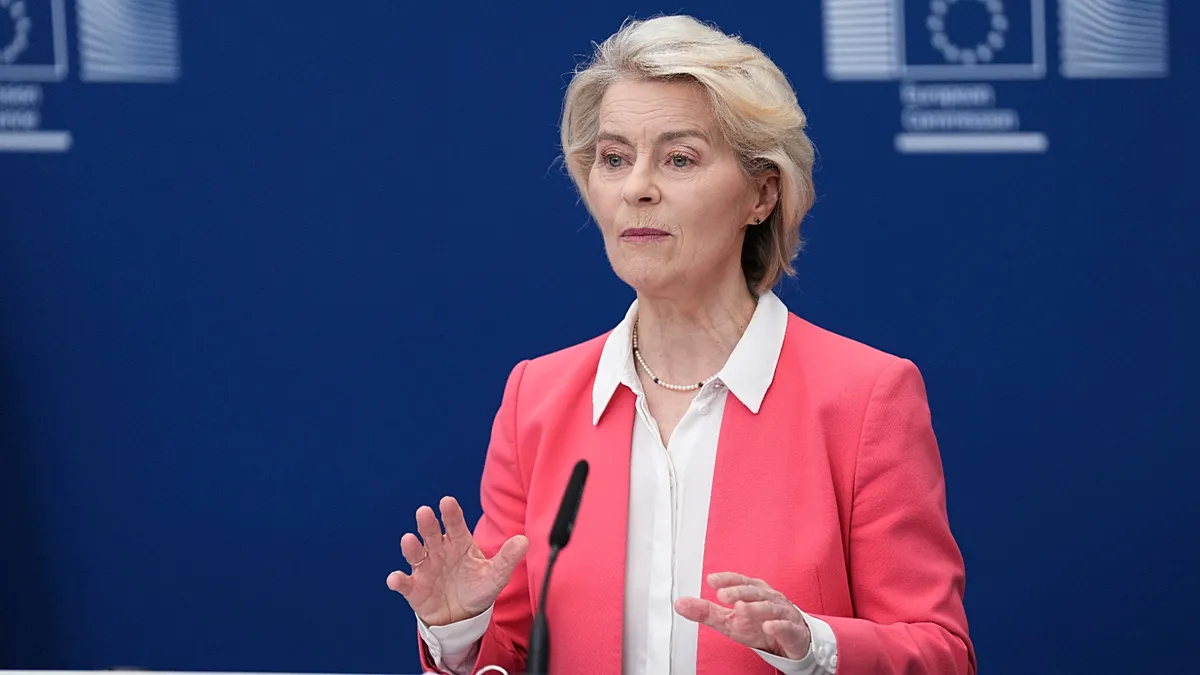
Table of Contents
EU Releases 1.4 Billion to Ukraine After Kyiv Attacks
Poinews.com – The European Union has officially announced that it will release 1.4 billion euros to Ukraine, channeling funds generated from profits on frozen Russian assets. This substantial financial commitment comes at a critical moment, following devastating Russian strikes on the Ukrainian capital that claimed at least 17 civilian lives. European Commission President Ursula von der Leyen confirmed the decision through a statement published on social media platform X, emphasizing that the funding represents a direct response to Russia’s ongoing aggression against Ukrainian territory and population.
Once again we wake up to the news of horrible atrocities by Russia through its aerial attacks on Ukraine. Russia must pay for the destruction it has caused.
Context Behind the Financial Support
The mechanism enabling this €1.4 billion transfer traces back to Russia’s full-scale military invasion of Ukraine in February 2022. In response to the invasion, European Union member states collectively decided to freeze approximately €200 billion worth of Russian Central Bank reserves held within European financial institutions. While the principal amounts remain locked in place, the interest and returns generated by these immobilized holdings have been earmarked for Ukrainian assistance. According to official European Commission figures, these frozen Russian assets have accumulated a remarkable €8 billion in total earnings since their initial immobilization.
The timing of this latest disbursement carries particular significance. Russian forces launched a coordinated barrage of ballistic missiles and unmanned aerial vehicles against Kyiv, targeting residential areas and critical infrastructure. The attacks demonstrated Moscow’s continued determination to weaken Ukrainian resilience through sustained pressure on civilian centers. Von der Leyen’s announcement underscored that the financial support would “support Ukraine’s continued resistance against Russia’s illegal war,” positioning the funding as both humanitarian assistance and strategic investment in European security.
How the Funds Will Be Distributed
The allocation structure reveals a sophisticated approach to maximizing the impact of these asset profits. Rather than directing the entire amount toward immediate military expenditures, European officials have designed a distribution model that addresses both short-term needs and longer-term financial stability. The vast majority of the tranche—representing 95% of the total—will flow through the Ukraine Loan Cooperation Mechanism. This financial pathway enables Ukraine to manage loans that were previously extended under coordinated programs involving both the European Union and Group of Seven nations.
This mechanism proves particularly valuable for Kyiv, which faces substantial debt servicing obligations while simultaneously funding wartime operations and reconstruction efforts. By routing funds through this established channel, European policymakers ensure that the €1.4 billion contributes to sustainable financial management rather than creating additional borrowing burdens. The remaining portion, totaling €70 million, will travel through the European Peace Facility, the dedicated instrument specifically designed to finance military support for Ukraine’s defense capabilities.
The European Union has officially announced that it will release 1.4 billion euros to Ukraine, channeling funds generated from profits on frozen Russian assets.
Broader Implications for European Policy
This latest disbursement signals that European leaders view the use of frozen Russian asset profits as a permanent feature of their support strategy for Ukraine. The approach allows EU member states to provide substantial financial assistance without requiring additional budget contributions from national treasuries. Furthermore, it establishes a precedent for holding Russia financially accountable for the costs of its military campaign while simultaneously strengthening Ukrainian economic resilience.
International observers note that the distribution model reflects careful consideration of Ukraine’s evolving needs. As the conflict enters its fourth year, the emphasis on loan cooperation mechanisms suggests that European policymakers anticipate a prolonged period of financial support extending beyond immediate military requirements. The €8 billion in accumulated profits provides a substantial reserve that could sustain Ukrainian assistance for years to come, depending on the pace of future disbursements and the evolution of the geopolitical situation.
Frequently Asked Questions
What are frozen Russian assets?
Frozen Russian assets refer to approximately €200 billion in Russian Central Bank reserves held in European financial institutions that were immobilized following Russia’s 2022 invasion of Ukraine. While the principal amounts remain locked, the interest and returns generated by these holdings can be utilized for Ukrainian assistance.
How much total profit has been generated from frozen Russian assets?
According to European Commission data, the frozen Russian assets have accumulated €8 billion in total windfall earnings since their initial immobilization in 2022.
What is the Ukraine Loan Cooperation Mechanism?
The Ukraine Loan Cooperation Mechanism is a financial pathway that assists Ukraine in managing loans previously extended under coordinated G7 and EU programs. It helps ensure that financial support contributes to sustainable debt management rather than creating additional borrowing burdens.
What percentage of the €1.4 billion goes to military support?
While 95% of the tranche (€1.33 billion) flows through the Ukraine Loan Cooperation Mechanism for broader financial support, the remaining €70 million travels through the European Peace Facility, which specifically finances military support for Ukraine’s defense efforts.
Why is this funding significant for Ukraine?
This funding is significant because it provides substantial financial assistance without requiring additional budget contributions from European national treasuries. It also establishes a precedent for holding Russia financially accountable for the costs of its military campaign while strengthening Ukrainian economic resilience during the ongoing conflict.