Starmer reflecting on ‘political realities’ amid reports of imminent resignation
Starmer reflecting on political realities amid -


Starmer Reflects on Political Realities Amid Resignation Rumors
Leadership Challenges and Strategic Reassessment
Poinews.com – Prime Minister Keir Starmer is grappling with shifting political dynamics as speculation grows about his possible exit from the role. The focus keyword, “Starmer reflecting on political realities,” has become a central theme in recent discussions surrounding his leadership. During a Sunday interview with BBC presenter Laura Kuenssberg, Starmer’s business secretary, Peter Kyle, highlighted that the leader is “taking the time to think through what the political realities are today compared to last week,” underscoring the intensity of the scrutiny. While Starmer has maintained his public commitment to continue, the pressure is mounting, and the political climate is evolving rapidly. His reflection on these realities comes at a critical juncture, with implications for the future direction of the Labour Party.
Media Speculation and Public Sentiment
Media reports have intensified in recent days, with outlets suggesting Starmer might resign as early as Monday. This development has sparked widespread debate about the stability of his leadership. Starmer reflecting on political realities has become a recurring phrase in commentary, emphasizing his awareness of the challenges ahead. The speculation is not merely a product of media conjecture but is rooted in the recent by-election loss in Makerfield, which has shaken confidence in his leadership. As the political realities become clearer, the public is increasingly divided, with some calling for a change and others urging Starmer to stay the course.
Makerfield By-Election and Electoral Shifts
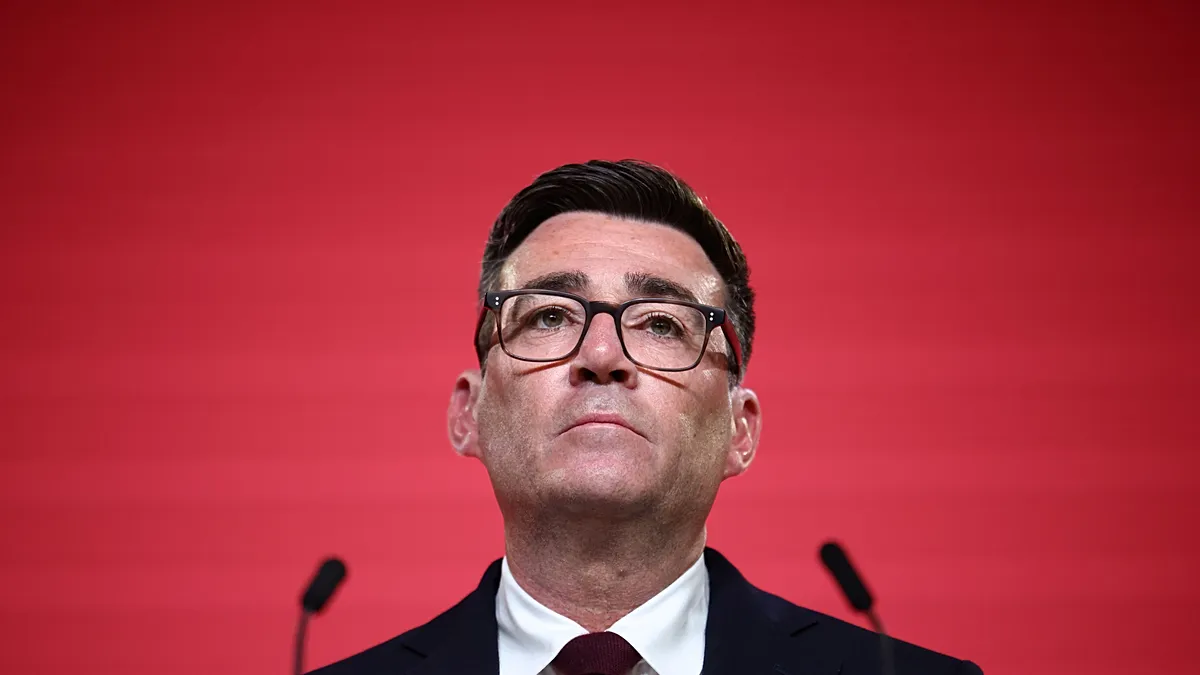
The by-election in Makerfield, held on Saturday, marked a pivotal moment for Starmer reflecting on political realities. The Labour candidate, Andy Burnham, secured a decisive victory with 24,927 votes, representing 55% of the total, and the results have intensified calls for leadership change. Burnham’s success highlights the growing influence of Reform UK and the shifting voter preferences within the UK. His victory is seen as a test of Labour’s ability to adapt to the political realities of a divided electorate. Starmer reflecting on political realities has become a key narrative, as analysts and politicians alike dissect the implications of this outcome.
Internal Party Dynamics and External Criticism
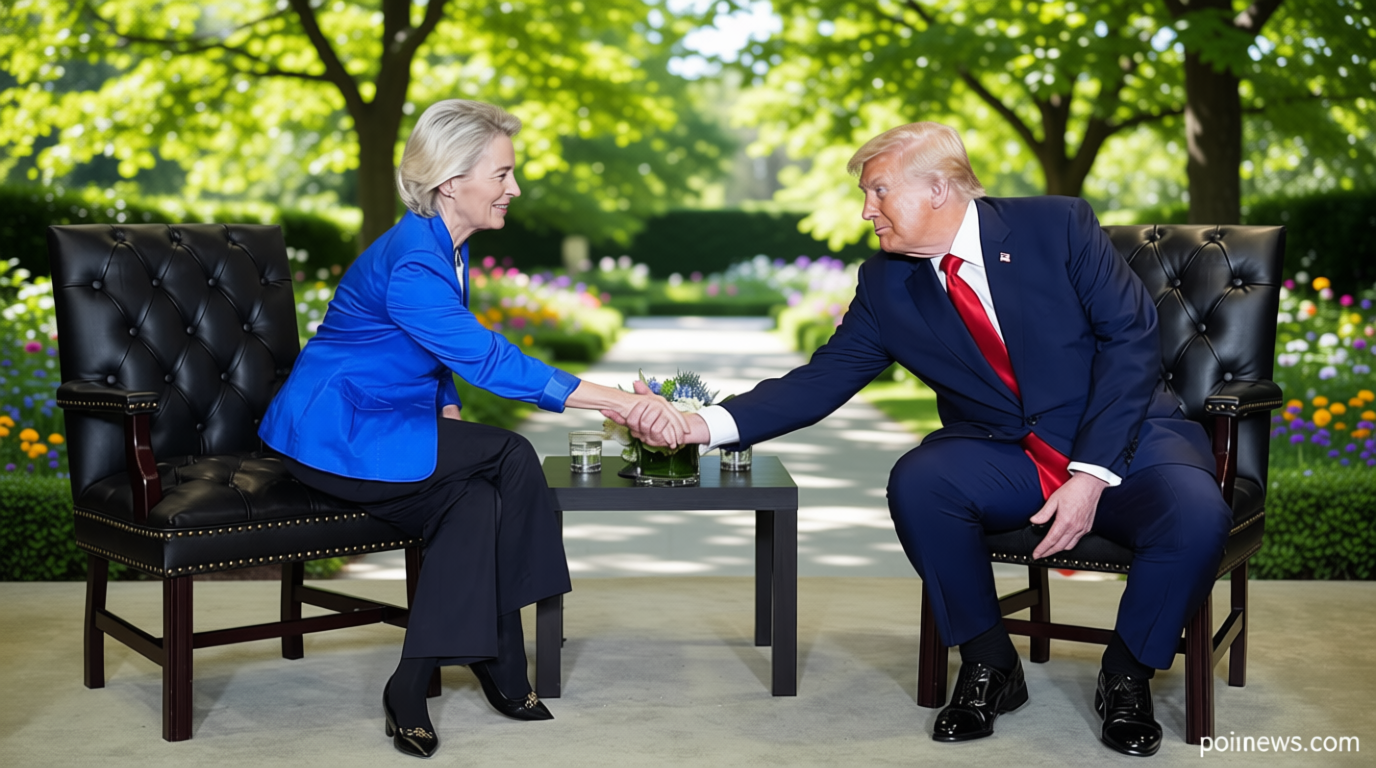
Starmer’s reflection on political realities has drawn attention to internal party dynamics, particularly the tension between traditional Labour values and modern political strategies. The by-election result has reignited debates about the party’s direction, with some members advocating for a more centrist approach. Meanwhile, external criticism, such as that from U.S. President Donald Trump, has further complicated the situation. Trump’s comments on Sunday afternoon, which claimed Starmer would “resign” due to his handling of immigration and energy policies, align with existing media speculation. This external pressure adds to the challenges Starmer is facing as he reflects on political realities.
Historical Context and Leadership Expectations
The political realities of the current moment are being compared to historical precedents, with some analysts drawing parallels to past leadership crises. Starmer reflecting on these realities has prompted a deeper examination of his tenure, including his initial promises of stability and reform. The recent by-election loss is viewed as a warning sign, with critics arguing that his policies have not yet gained traction. However, supporters remain optimistic, believing that Starmer’s reflection on political realities will lead to necessary adjustments. The Labour Party now stands at a crossroads, with the outcome of this internal evaluation likely to shape its future.
Public Reaction and Future Outlook
Public reaction to Starmer reflecting on political realities has been mixed, with some voters expressing frustration over the party’s performance and others showing loyalty. The by-election results in Makerfield have been a catalyst for renewed calls for reform, as the political realities of a fragmented electorate become more apparent. Starmer’s ability to navigate these realities will be crucial in determining his leadership prospects. Analysts suggest that his reflection on political realities could lead to a strategic shift, potentially redefining Labour’s approach to governance. The coming weeks will be pivotal in assessing whether Starmer can maintain his position or if the political realities will force a change in leadership.