Delayed flight? Will the new rules make it easier to get your money back? Take our poll
es Make It Easier to Get Your Money Back? Delayed flight Will the new rules - With the summer travel season in full swing, passengers have been increasingly

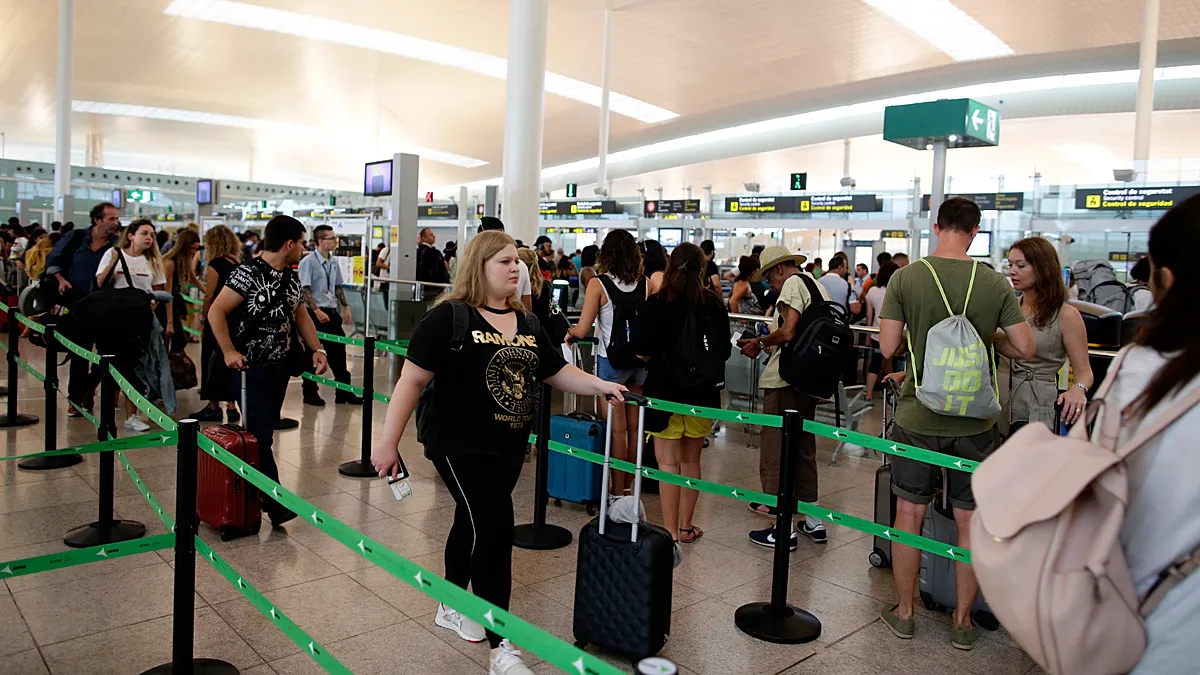
Will New Delayed Flight Rules Make It Easier to Get Your Money Back?
Poinews.com – With the summer travel season in full swing, passengers have been increasingly affected by flight delays and cancellations. The recent overhaul of EU Regulation 261/2004 has introduced changes aimed at simplifying the process of reclaiming compensation for delayed flights. These updates, effective from early July, are designed to address long-standing frustrations and provide clearer pathways for passengers to recover lost funds.
Updated EU Regulation Enhances Passenger Protections
The new rules, which came into effect on 7 July after legislative approval from the European Parliament and the Council, mark a significant shift in how airlines handle disruptions. After a thirteen-year negotiation process, the regulations now offer more defined guidelines for compensation and improved support for travelers. This comes at a time when air travel is becoming more complex due to rising demand and frequent weather-related delays.
Compensation Changes for Delays Over Three Hours
Under the revised rules, passengers who experience delays of more than three hours are now eligible for compensation ranging from €250 to €600, depending on the distance of their flight. This adjustment ensures that those facing extended disruptions have a clearer financial recourse. Previously, the compensation thresholds were less transparent, leaving many travelers uncertain about their rights.
Streamlined Claim Process and Digital Innovations
The new legislation introduces standardized electronic forms for compensation claims, allowing passengers to submit their requests more efficiently. Additionally, airlines must provide straightforward guidance on the process, reducing the confusion that often leads to rejected claims. The rules also allow travelers to correct spelling errors in their names at no extra cost, while digital boarding passes will be accessible at check-in without the need for dedicated apps.
Expanded Protections for Vulnerable Travelers
Children under 14 and passengers with disabilities can now travel with an accompanying person at no additional charge, enhancing accessibility and convenience. This provision recognizes the challenges faced by these groups and aims to provide a more inclusive travel experience. Furthermore, the rules clarify that flight cancellations are only permissible under “extraordinary circumstances,” reducing the grounds for arbitrary disruptions.
Impact on Airlines and Passenger Experience
While the new rules benefit passengers, they also place additional responsibilities on airlines to improve transparency and service. Airlines must now clearly explain the reasons for delays, ensuring that customers understand the situation before being asked to accept compensation. This change could lead to better communication and fewer disputes. Travelers who have faced repeated delays may find it easier to navigate the compensation process, with the hope that it will become more consistent and fair.
Public Engagement and Future Implications
The effectiveness of these new regulations has sparked interest among travelers, with many eager to see how they will impact their experiences. To gauge public opinion, we invite you to participate in our quick and anonymous poll. Your insights will help shape future reports on Europe’s role in the AI era and the broader implications of these changes. As the aviation industry adapts to the new rules, passengers can expect a more streamlined process for recovering funds after delayed or cancelled flights. The success of these reforms will depend on how well they are implemented and how effectively airlines address the challenges they now face.