Macron says France intercepted a Russian shadow fleet oil tanker off coast of Sicily
France Intercepts Russian Shadow Fleet Oil Tanker Off Sicily, Macron Says Macron says France intercepted a Russian - French President Emmanuel Macron

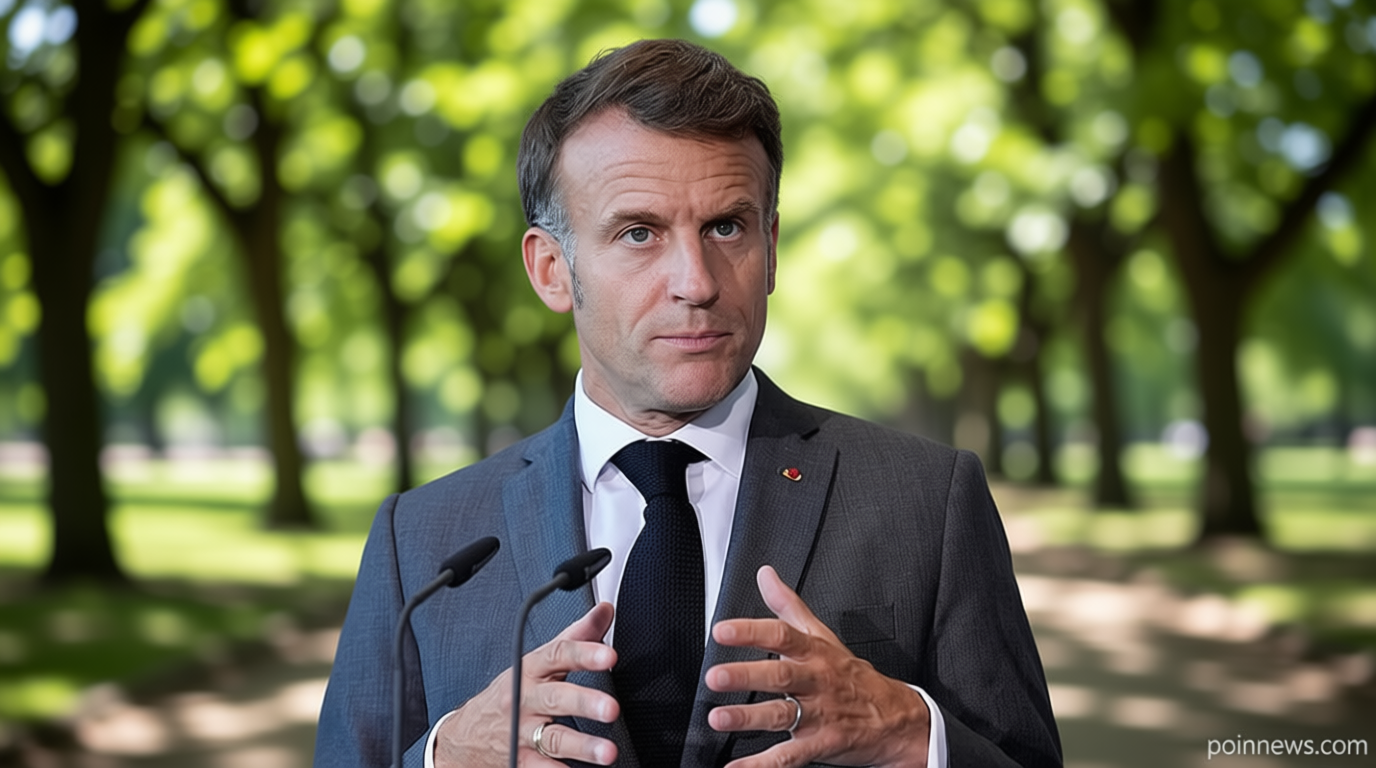
France Intercepts Russian Shadow Fleet Oil Tanker Off Sicily, Macron Says
Poinews.com – French President Emmanuel Macron announced on Thursday that French naval forces had intercepted a Russian oil tanker, part of a shadow fleet, near Sicily’s coast. The operation, conducted earlier in the week, targeted a vessel suspected of evading sanctions by operating under a Cameroonian flag. Macron emphasized the significance of the move, stating it demonstrated European unity in countering Russia’s attempts to circumvent economic restrictions. The interception followed reports of similar actions by the UK, suggesting a coordinated effort among NATO members to disrupt Russia’s maritime logistics.
The Shadow Fleet Strategy and Global Implications
The intercepted tanker, named *Deliver*, has been part of Russia’s shadow fleet network since 2024, as revealed by Ukraine’s Main Directorate of Intelligence. This fleet, composed of vessels registered in neutral jurisdictions, allows Moscow to bypass Western sanctions that limit its ability to use traditional oil transport routes. By disguising ownership and leveraging flags of convenience, Russia can maintain access to critical energy markets, particularly in the Mediterranean, which serves as a vital transit point for oil exports to Europe. Macron highlighted that the *Deliver* was flagged for violating maritime regulations, which could include smuggling or operating without proper insurance.
“This operation underscores the determination of European nations to dismantle Russian shadow fleets,” Macron stated during a press briefing. “By targeting these covert networks, we are sending a clear message that sanctions will not be ignored, and that Russia’s influence on global energy supply chains will be curtailed.”
Operation Details and Military Coordination
The French navy’s operation involved a swift response to the *Deliver*’s movement near Sicily’s waters, where it was suspected of carrying Russian oil to Italian ports. French officials confirmed that the tanker was boarded by military personnel, with surveillance footage shared by Macron appearing to show the process. The mission, which lasted several hours, relied on advanced tracking systems and maritime patrols to identify the vessel. France’s actions align with broader European strategies to monitor and intercept Russian assets, including ships and cargo, suspected of facilitating economic support for Ukraine’s war efforts.
Macron’s remarks also drew attention to the role of international collaboration in tracking Russian maritime activities. European Union member states have been working closely to share intelligence and coordinate responses, with the UK’s recent interception of the *Smyrtos* in the English Channel serving as a parallel example. Both operations highlight the growing importance of the Mediterranean as a key battleground in the fight against Russia’s sanctions evasion tactics. The French navy’s involvement in this mission marks a significant step in the EU’s efforts to tighten control over the region’s shipping lanes.
Sanctions Evasion and Russia’s Response
Russia’s use of shadow fleets has been a strategic response to Western sanctions imposed after the invasion of Ukraine. These fleets are designed to bypass restrictions on oil exports, enabling Moscow to continue selling its energy resources without direct exposure to European markets. The *Deliver* is one of many vessels operating under this model, with reports indicating that such networks have been instrumental in maintaining Russia’s economic foothold in the Mediterranean. French officials have not disclosed the exact amount of oil seized or the penalties imposed, but the interception is likely to be a symbolic blow to Moscow’s ability to evade scrutiny.
In response to the French action, Russian state media swiftly dismissed the claim, calling it a “political maneuver” to undermine Moscow’s energy trade. However, experts argue that the operation demonstrates a growing pressure on Russia to adapt its supply routes. The incident also raises questions about the effectiveness of sanctions in targeting Russian assets, as the shadow fleet strategy has allowed the country to continue exporting oil to key markets. Macron’s comments suggest that France is prepared to take further measures, including more aggressive intercepts, to ensure compliance with sanctions.
“This is not just a single operation—it’s part of a larger strategy to disrupt Russia’s access to European markets,” Macron added. “By intercepting these vessels, we are strengthening the EU’s collective response and ensuring that Russia pays the price for its continued aggression.”
Broader Impact on EU Energy Security
The interception of the *Deliver* has significant implications for EU energy security and the effectiveness of sanctions. With the Mediterranean serving as a critical artery for Russian oil exports, the French action could deter other vessels from using the region as a bypass route. Analysts note that such operations are part of a broader effort to isolate Russia economically, targeting its ability to generate revenue from oil sales. The EU has been working to diversify its energy sources, and the shadow fleet’s disruption could accelerate this process.
Macron’s statement also emphasized the importance of international partnerships in combating Russia’s logistical strategies. The French navy’s role in this mission underscores the country’s commitment to leading the EU’s response to Moscow’s challenges. While the operation was successful, it highlights the ongoing need for vigilance, as Russia continues to refine its tactics to evade sanctions. The *Deliver*’s interception may serve as a precedent for future actions, further solidifying Europe’s stance against Russian economic influence.
As the EU intensifies its efforts to track and intercept Russian assets, the focus remains on reducing Moscow’s ability to sustain its war efforts through energy exports. The Mediterranean, with its strategic location between Europe, Africa, and Asia, has become a focal point for these operations. Macron’s remarks, coupled with the French navy’s success in seizing the *Deliver*, signal a renewed commitment to maintaining sanctions pressure on Russia. This development could influence future trade policies and international diplomacy, reinforcing the idea that Europe will not tolerate Russia’s circumvention of economic restrictions.