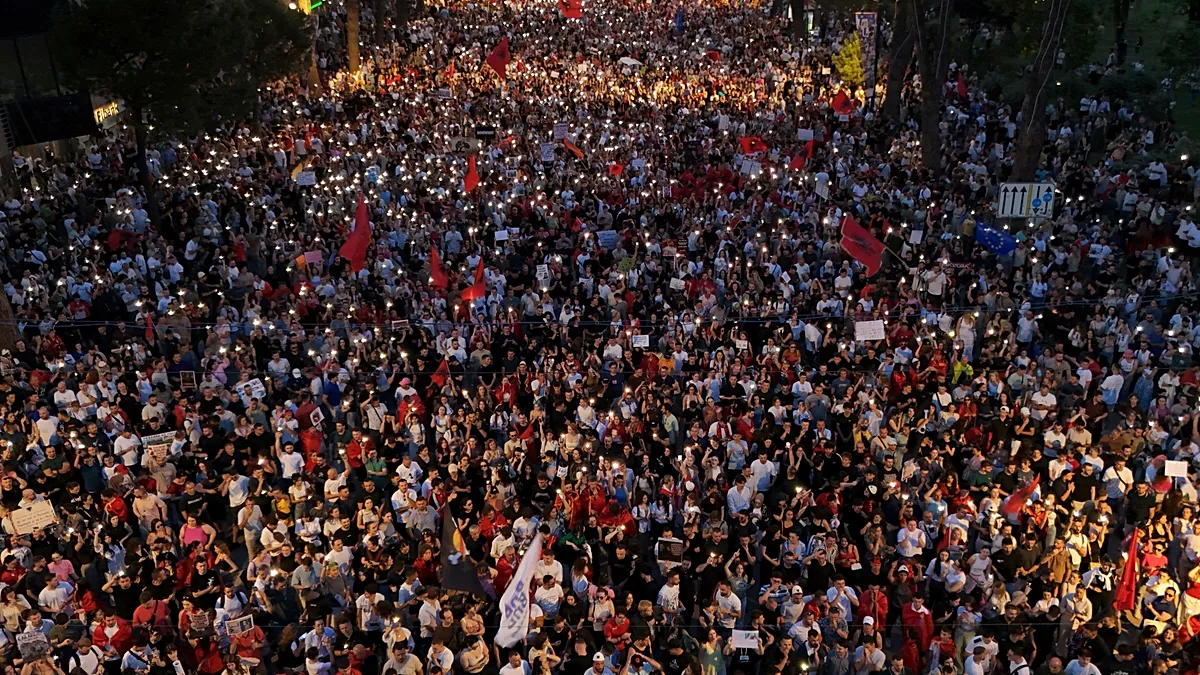
Ceuta: more migrants leave but residents still in shock. Far-right leader visits
Ceuta - The atmosphere along the Ceuta-Morocco frontier has noticeably settled compared to the turbulent past few days that gripped this Spanish enclave

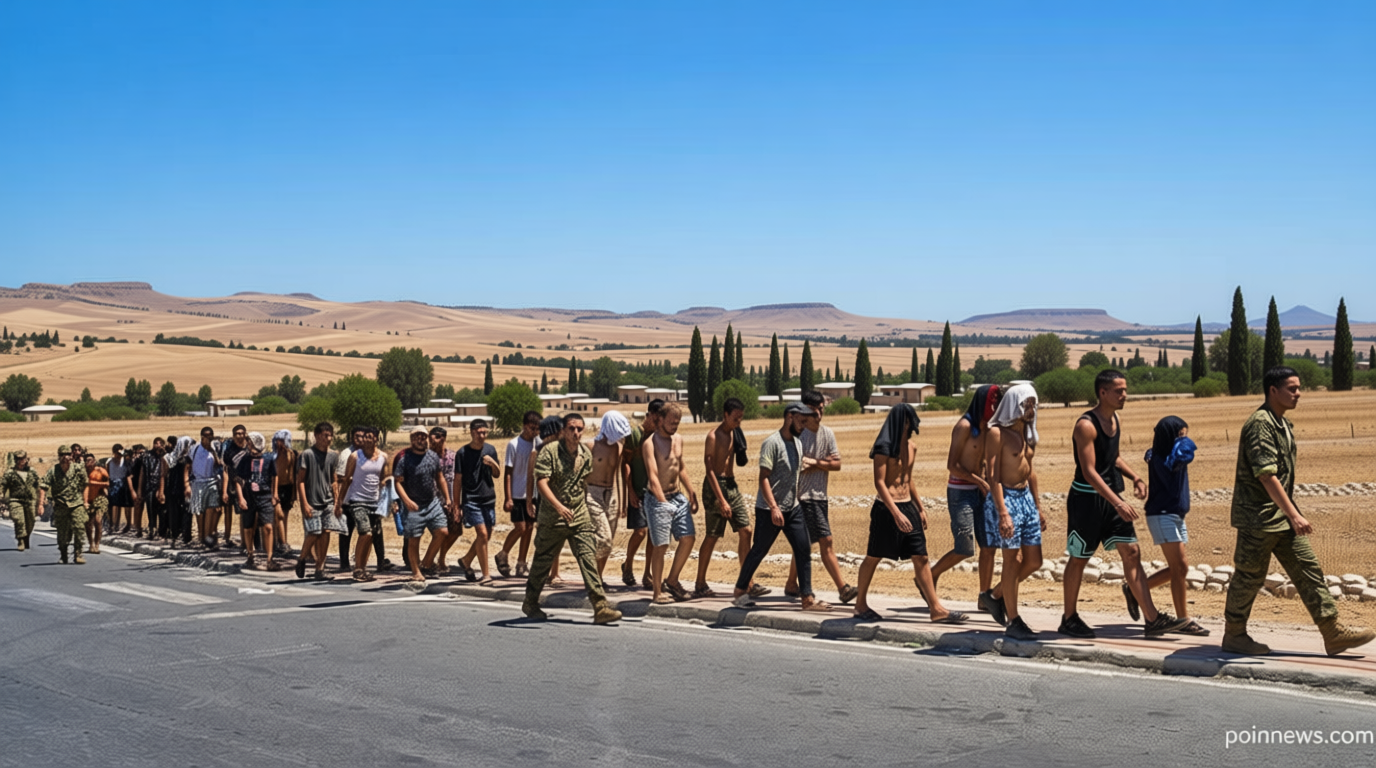
Ceuta Migration Crisis: Residents React as Migrants Return Home
Border Tensions Ease but Community Concerns Remain High
Poinews.com – Ceuta – The atmosphere along the Ceuta-Morocco frontier has noticeably settled compared to the turbulent past few days that gripped this Spanish enclave. Spanish officials report that most of the minimum 60,000 individuals who crossed irregularly on Thursday have already made their way back across the border. A consistent but intermittent flow of people continues returning to Morocco, with many expressing relief at being able to leave the crowded conditions. The city of Ceuta, located on the northern coast of Africa, has experienced one of its most significant migration events in recent memory, leaving both locals and visitors reflecting on what happened and what comes next.
Many of those heading home explain that social media posts convinced them the crossing point was open and that paperwork was unnecessary. Inside the city, however, initial fear has transformed into widespread frustration. Nearly everyone I encountered struggles to understand how such a scenario unfolded and insists on prompt answers. The sudden influx overwhelmed local infrastructure, with shops closing early and public services operating under emergency protocols. Residents of Ceuta found themselves navigating unfamiliar territory as their normally quiet city became a focal point of international attention.
I got the feeling that people are very, very angry. I know they’re very angry right now. There are 85,000 of us here, and 60,000 are coming in. So, tell me. What do we do? What are we going to do? We can’t even buy bread. There was no bread. There was nothing. Nothing, nothing. Everything was closed.
This charged social climate is intensifying political discussions within Ceuta and across Spain. While some residents hesitated to assign fault, others spoke more freely about their concerns. Referencing the legal complications preventing immediate returns since the migrants arrived by sea, a middle-aged man named PM labeled Pedro Sanchez an “accomplice.” He declared: “this is a disgrace— for me, a disgrace. This has never happened before in my life.” The incident has sparked renewed debate about Spain’s migration policies and its relationship with Morocco regarding border management.
Vox Leader Condemns Government Response to Ceuta Situation
Not all voices blame external forces. A 78-year-old retiree emphasized compassion alongside criticism: “If there are children there, they need to be given something to drink, they need to be given something to eat. It’s common sense, but that now all of Ceuta, all of Spain—and Spain stands with you—is with you.” This perspective highlights the dual nature of the response, balancing humanitarian concerns with practical questions about resource allocation and emergency management.
Yet the same pensioner found the overall circumstances unacceptable: “This is a state of emergency and a declaration of martial law, just to go shopping at Mercadona? I have to pass a soldier every ten meters away from him ten or twenty meters away from him and feed the troops well and the police. That’s a state of siege, and it’s a of national emergency. There’s no question about it.” The comparison to martial law reflects the visible military presence that has been deployed to secure the enclave and manage the situation.
Santiago Abascal, head of the Vox party, toured Ceuta on Thursday to voice his concerns about the government’s handling of the crisis. The politician blamed both Rabat’s administration and Pedro Sánchez personally for the situation. Abascal contended that Morocco proceeded confidently, expecting no meaningful reaction or consequences from Spain. According to Abascal, the Spanish prime minister remains “subservient to the African country,” which emboldened Moroccan actions and left the government unprepared for what followed. His visit to Ceuta has drawn attention to the political dimensions of what began as a humanitarian situation.
Looking Ahead: What Residents Hope for from Ceuta’s Future
As the situation stabilizes, questions remain about long-term solutions for managing migration flows through Ceuta. Local authorities have indicated that they will review the events of the past week to identify areas for improvement in emergency response protocols. The enclave’s unique position as a Spanish territory surrounded by Morocco makes it particularly vulnerable to sudden changes in border dynamics.
For now, residents are focusing on daily life while waiting for official explanations. Many have expressed appreciation for the solidarity shown by other Spanish cities and regions, with donations and support arriving from across the country. The experience has reinforced a sense of community among Ceuta’s inhabitants, even as they process their mixed emotions about the crisis.
Frequently Asked Questions About Ceuta
What is Ceuta and why is it significant? Ceuta is a Spanish autonomous city located on the northern coast of Africa, bordering Morocco. With a population of approximately 85,000, it serves as an important gateway between Europe and Africa, making it strategically important for migration and trade.
How many migrants crossed into Ceuta recently? Spanish officials confirmed that at least 60,000 individuals crossed the border irregularly on Thursday, creating one of the largest single-day migration events in the enclave’s history.
What is the current status of the border? The border remains open but with enhanced security measures. Most migrants have returned to Morocco, though a steady flow continues as people navigate the return process.
What are residents’ main concerns? Primary concerns include the legal status of the migrants, the adequacy of emergency response, and the potential for similar events to occur in the future. Many residents also worry about the economic impact on local businesses.
Will Ceuta remain open to tourists? Yes, Ceuta continues to welcome visitors. However, travelers are advised to check current conditions and be prepared for possible delays or changes in local services during the stabilization period.