Euroviews. Geothermal energy promises a domestic energy supply – the EU needs a strategy
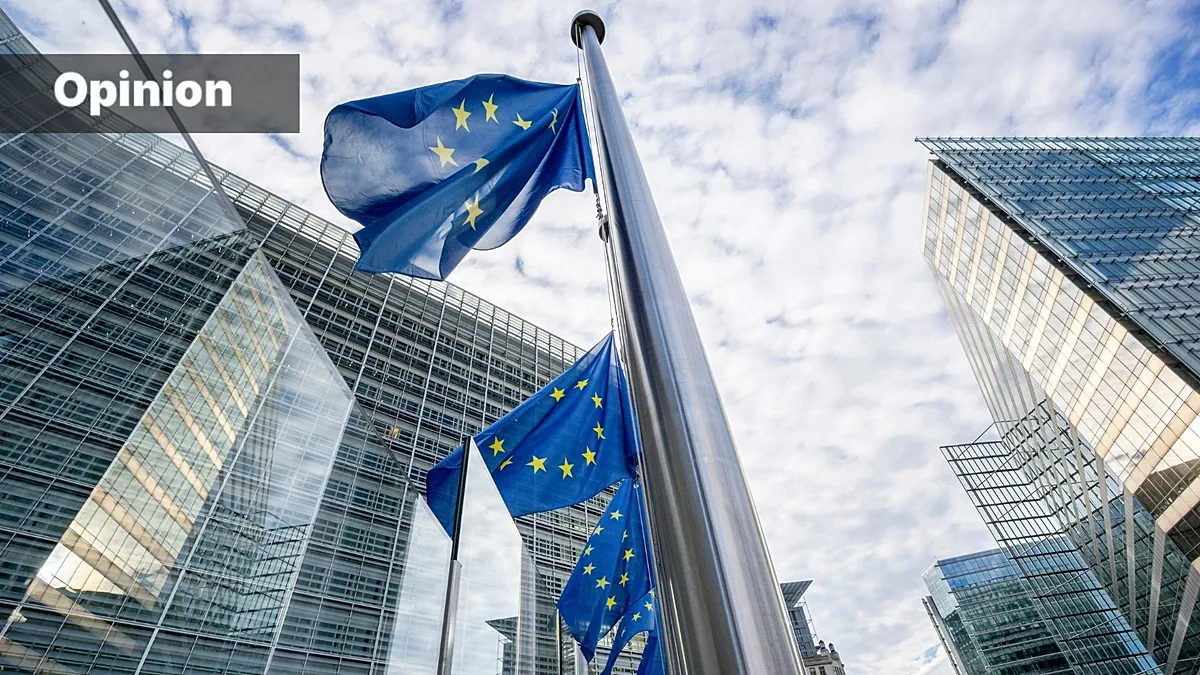
The European Commission released its Electrification Action Plan on July 16, and observers expected a companion document on geothermal to appear alongside it

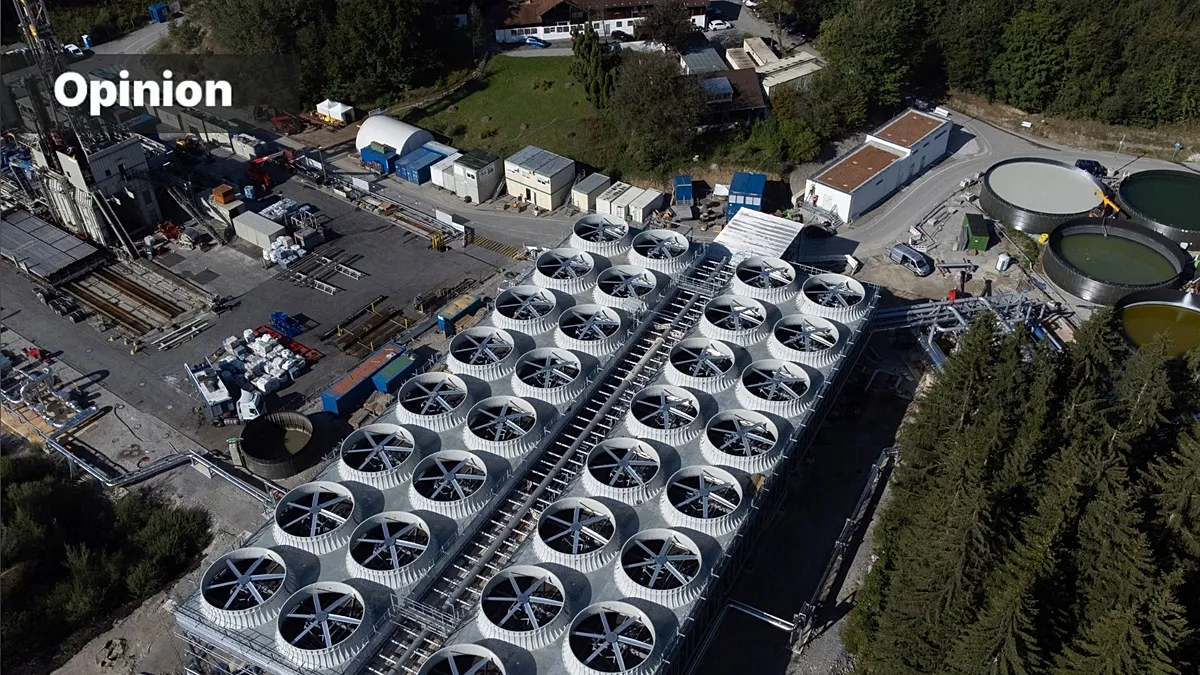
Table of Contents
Europe’s Geothermal Gap: A Strategy That Should Have Been Written
Poinews.com – The European Commission released its Electrification Action Plan on July 16, and observers expected a companion document on geothermal to appear alongside it. That document never surfaced. The Electrification plan does acknowledge geothermal as an
“underutilised resource”
for clean electricity, heating, and cooling — a recognition worth noting. Yet the dedicated Geothermal Action Plan, formally requested by EU Energy Ministers and the European Parliament over two years ago, has been delayed repeatedly and has now vanished entirely from the Commission’s published agenda.
What the Technology Actually Delivers
Geothermal power exploits a simple physical reality: the Earth grows warmer the deeper one descends. The engineering task is to drill downward, transport that subsurface heat to the surface, and either warm buildings directly or generate steam to drive a turbine. For most of the twentieth century, this was viable only where nature had conveniently placed hot water or steam near the surface. Modern drilling advances and a newer generation of equipment are dismantling that geographic constraint, opening far more geological settings to power generation.
The economic case is substantial. Enhanced geothermal systems — a next-generation variant — could produce approximately 300 terawatt-hours of electricity annually within the EU, amounting to roughly one-tenth of current demand. Projected costs sit below €100 per megawatt-hour, placing the technology squarely in competitive range with gas- and coal-fired generation. Because geothermal output is firm and zero-carbon, it slots naturally alongside intermittent wind and solar, filling supply gaps during peak-demand windows when renewables underproduce.
The Financing Chasm
Unlike wind or solar installations, a geothermal developer must commit millions of euros to exploratory drilling before the subsurface resource is even confirmed. Once that resource is validated, project financing becomes markedly simpler. The interval between those two stages is precisely where projects stall — and precisely where calibrated public policy can intervene.
What Other Economies Have Already Done
In North America, next-generation geothermal has crossed from laboratory promise into operating business. Fervo Energy, a US developer of enhanced geothermal systems, completed its initial public offering in May of this year. Canada’s Eavor Technologies was recently placed second on TIME’s ranking of the world’s leading greentech firms. Europe, by contrast, remains in the phase of debating how to organise the most elementary policy direction for deploying the technology.
The United States recognised the opportunity roughly a decade ago. Through its FORGE programme, the Department of Energy financed demonstration drilling and released the findings openly. The agency subsequently set a target of 60 GW of geothermal capacity by 2050, with costs trending toward $45/MWh. The logic was deliberate: public capital absorbed the risk of the earliest, most difficult projects, then stepped back once the technology demonstrated itself — de-risking an emerging industry rather than subsidising it in perpetuity. Fervo Energy, built atop FORGE’s research base, is now publicly traded and contracted to deliver round-the-clock power to Google’s data centres. Meta, Google, and other hyperscalers are following with gigawatt-scale geothermal agreements aimed at powering AI workloads, converting a state-de-risked technology into a market that private capital is racing to build.
Canada is pursuing a parallel model. Alberta is constructing a public drilling test site accessible to any geothermal operator. This month, the province awarded Eavor an additional grant for its closed-loop technology, which sidesteps the seismicity and groundwater concerns that have historically cast a shadow over geothermal development.
Europe Funds Projects, Not Systems
Eavor’s Bavarian installation — Europe’s first commercial closed-loop geothermal project — received €91.6 million from the EU Innovation Fund, supplemented by further lending from the European Investment Bank. Such cooperation is welcome. But discrete grants earmarked for flagship projects do not constitute the economy-wide de-risking architecture that both the United States and Canada have put in place.
The Cost of Inaction
The EU is living through its second energy crisis within four years. Households and national budgets continue to absorb the consequences of fossil-fuel import dependence and exposure to volatile global gas and oil markets. Domestic clean electricity generation is a direct lever against that cycle. In Spain, robust renewable expansion has already weakened the coupling between gas prices and power prices, sparing Spanish households roughly €10 on monthly electricity bills during the latest crisis. Geothermal represents one of the EU’s largest untapped domestic sources of clean power. Closing the gap between political recognition and commercial deployment is no longer a question of whether Europe should act — it is a question of how quickly it can.
Related Reading
Frequently Asked Questions
What is Euroviews Geothermal energy promises a domestic?
Euroviews Geothermal energy promises a domestic is the main topic of this guide. The article explains the context, practical details, and next steps readers should understand.
Why does Euroviews Geothermal energy promises a domestic matter?
Euroviews Geothermal energy promises a domestic matters because readers are looking for a useful answer, not just a short summary. Good content should match search intent and help them decide what to do next.