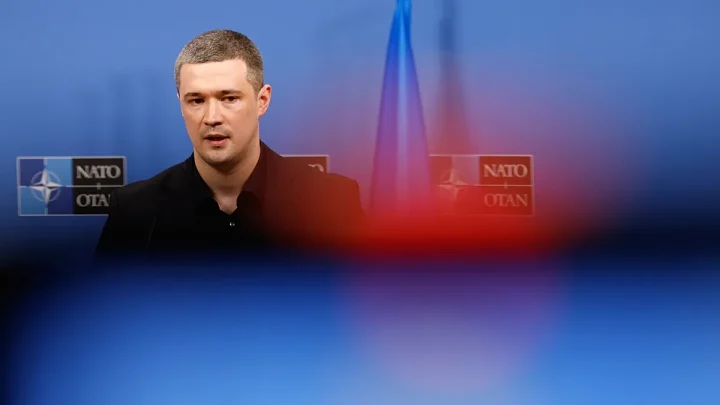
Former Hungarian foreign minister Szijjártó resigns from parliament to join Chinese carmaker
Former Hungarian Foreign Minister Szijjártó Joins Chinese Automotive Giant BYD Former Hungarian foreign minister Szijjártó resigns - Former Hungarian Foreign

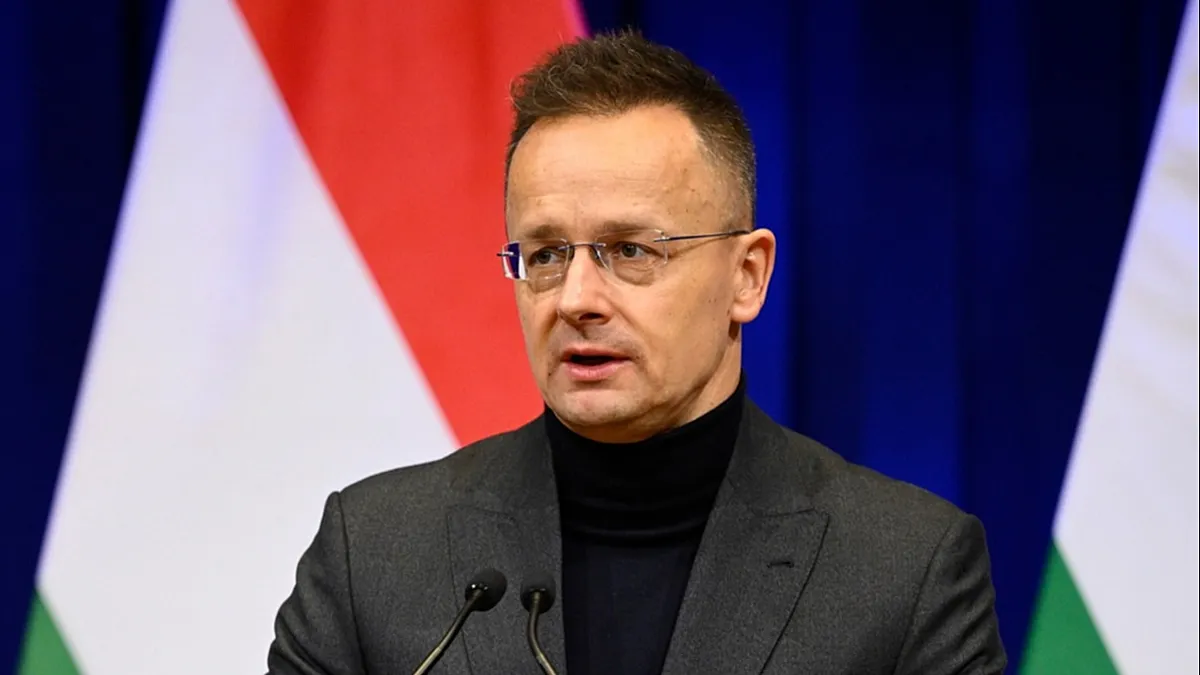
Former Hungarian Foreign Minister Szijjártó Joins Chinese Automotive Giant BYD
Poinews.com – Former Hungarian Foreign Minister Péter Szijjártó has resigned from his parliamentary seat to embark on a new chapter as a senior executive at Chinese electric vehicle manufacturer BYD. The decision, announced in a social media post, reflects a strategic shift in his career from public diplomacy to private industry, aligning with his long-standing advocacy for closer economic ties with China. Szijjártó, who has been a key figure in Hungarian politics for over a decade, highlighted the move as an opportunity to leverage his international experience in expanding BYD’s global footprint.
A Career Shaped by China
Szijjártó’s transition to the corporate world is not unexpected, given his consistent support for China’s economic initiatives during his tenure as Hungary’s chief diplomat. Under Prime Minister Viktor Orbán’s leadership, he played a central role in fostering bilateral relations, including facilitating BYD’s ambitious plan to establish its first European factory in Hungary. This move was designed to circumvent EU tariffs on Chinese electric vehicles, positioning Hungary as a strategic gateway for Chinese automotive investments in Europe.
The former minister’s resignation comes amid a political realignment in Hungary. After opposition leader Péter Magyar’s party secured a resounding victory in April’s elections, Szijjártó lost his ministerial post, marking a significant setback for Orbán’s pro-China policies. Despite this, Szijjártó has continued to advocate for Hungary’s economic partnerships with Beijing, even as the country navigates its new political landscape. His absence from parliamentary sessions since the election has raised questions about his future in public life, but his new role with BYD signals a broader trend of Hungarian officials pursuing private sector opportunities.
BYD’s Ambitious European Strategy
BYD, one of China’s leading automotive companies, has long sought to strengthen its presence in Europe. Szijjártó’s involvement in securing Hungary as a base for the firm’s first European factory underscores the significance of the decision. The project, announced in 2023, was the result of extensive negotiations between the Hungarian government and BYD, aiming to create a manufacturing hub that would reduce reliance on EU tariffs and enhance access to the continent’s growing electric vehicle market. Szijjártó, who has previously praised the initiative as “one of the largest investments in Hungarian economic history,” is now poised to lead its implementation in a corporate capacity.
The shift from public service to private enterprise also highlights the evolving role of Hungarian officials in shaping the nation’s economic direction. While Szijjártó’s political career has been defined by his pro-China stance, his new position with BYD allows him to directly influence Hungary’s integration into China’s global supply chains. This aligns with his vision of Hungary as a bridge between Eastern and Western markets, a strategy that has faced both praise and criticism in recent years. With the European Union striving to counter Chinese market dominance, Szijjártó’s move raises intriguing questions about the future of Hungarian trade policies and their alignment with EU objectives.
Recent trade tensions between the EU and China have intensified, with Brussels seeking to reduce the trade deficit against Beijing. As of July 2026, the EU’s trade deficit with China has reached a record high of €1 billion per day, prompting calls for more aggressive measures. Szijjártó’s decision to join BYD coincides with these efforts, as his expertise in navigating trade agreements could prove invaluable to the company’s expansion plans. However, his absence from political decision-making may also signal a broader trend of Hungarian leaders prioritizing economic growth over geopolitical alignment, a stance that has drawn both support and skepticism from European partners.
“BYD is one of the greatest success stories in the automotive industry over the past 20 years,” Szijjártó wrote in his social media announcement.
His remarks underscore the confidence he places in the company’s ability to drive innovation and growth. Meanwhile, EU officials like Trade Commissioner Maroš Šefčovič have emphasized the need for concrete results in trade negotiations with China. The Commission’s goal of achieving “tangible” outcomes by October 2026 remains a focal point, though some analysts, such as German MEP Bernd Lange, argue the timeline is overly ambitious.
The transition of Szijjártó from the political arena to the corporate world also highlights the growing influence of Chinese firms in shaping European economic strategies. BYD’s entry into Hungary is part of a larger trend, with the company investing heavily in infrastructure and technology across multiple EU countries. This shift reflects not only Szijjártó’s personal ambitions but also the broader geopolitical realignment in Europe, where some nations are increasingly open to partnering with China to secure economic benefits. As the EU continues to grapple with the balance between trade and security, the impact of figures like Szijjártó on Hungary’s path forward remains a subject of ongoing debate.