Portugal enacts ‘burqa law’ banning face coverings in public space
President António Jose Seguro formally enacted legislation on Tuesday evening that outlaws garments intended to hide a person's face in public areas. The

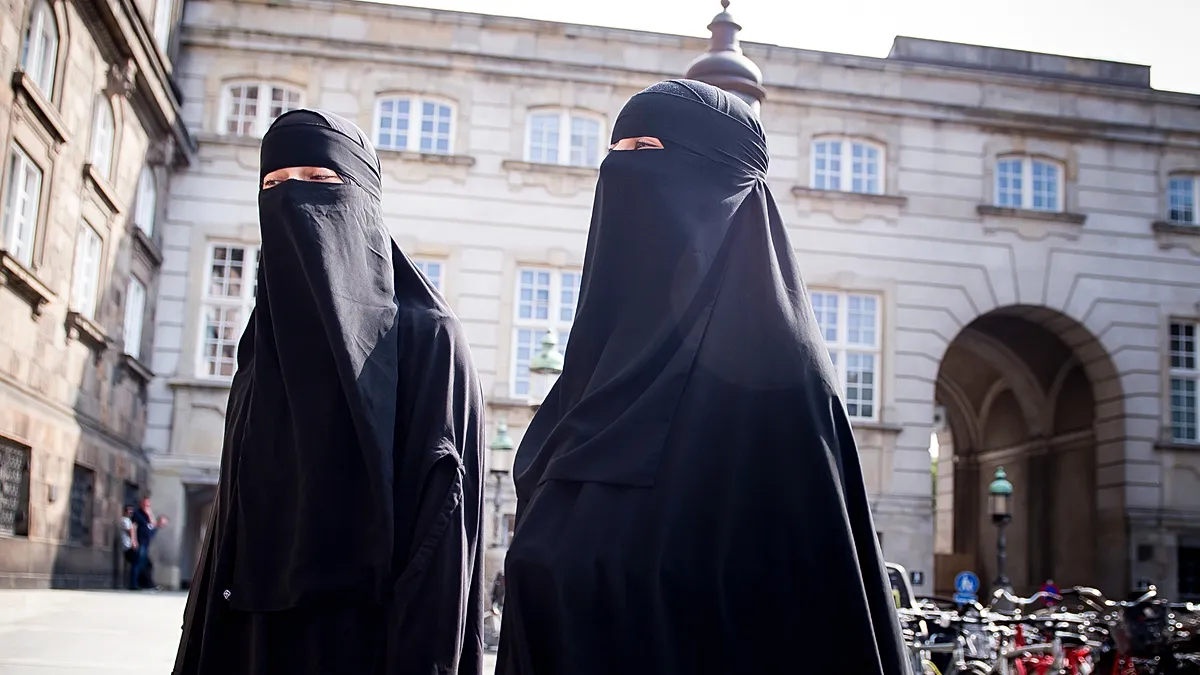
Table of Contents
Portugal Signs Into Law a Ban on Public Face Coverings
Poinews.com – President António Jose Seguro formally enacted legislation on Tuesday evening that outlaws garments intended to hide a person’s face in public areas. The measure, which local press has taken to calling the “burqa law,” had already cleared parliament in July after receiving backing from the governing right-wing coalition and far-right factions, while left-leaning parties cast their votes against it.
“The face must be considered a central element of human identity and communication,” Seguro stated in a late-Tuesday declaration accompanying the signing.
What the Law Actually Prohibits
Beyond restricting full-face veils, the statute forbids compelling any individual to conceal their face on grounds tied to gender, faith, age, or national origin. Seguro himself framed the subject as one of “great social and cultural sensitivity,” acknowledging the weight of the debate even as he moved the bill into force.
Institutional Pushback and Constitutional Doubts
The original proposal, tabled by the far-right Chega party, drew formal negative opinions from three major legal bodies: the Portuguese Bar Association, the High Council of the Public Prosecutor’s Office, and the Portuguese Association of Women Lawyers. Each raised questions about whether the text could survive constitutional scrutiny.
Opposition Voices
The centre-left Socialist Party (PS), the green-left Livre formation, and the Portuguese Communist Party (PCP) all voted the measure down in parliament, arguing it would stoke anti-Muslim sentiment rather than protect anyone’s rights.
“Islamophobic purpose that was evident in the explanatory memorandum [of the bill], the context of radicalism in which we live and the risks this creates for the communities directly targeted,” the PS said in denouncing the proposal.
The PCP went further, insisting the text had “nothing to do with women’s rights, nor with security issues,” and was instead “solely about fuelling hate speech and violence against those who are different, fuelling racist and xenophobic discourse.”
Livre, meanwhile, charged the right with “hypocrisy” and with steering the parliamentary debate in a “biased manner,” characterising the whole exercise as an effort to manufacture in Portugal “a moral panic over a supposed Islamic invasion that the far right so often talks about.”
The centre-right Social Democratic Party (PSD), part of the governing coalition, provided the decisive parliamentary support that carried the bill through in July before Seguro’s signature made it binding law.
Related Reading
Frequently Asked Questions
What is Portugal enacts burqa law banning face?
Portugal enacts burqa law banning face is the main topic of this guide. The article explains the context, practical details, and next steps readers should understand.
Why does Portugal enacts burqa law banning face matter?
Portugal enacts burqa law banning face matters because readers are looking for a useful answer, not just a short summary. Good content should match search intent and help them decide what to do next.