Germany and Netherlands to set up NATO command centre in Baltics, Berlin says
mand Centre in Baltics Germany and Netherlands to set up NATO - Germany and the Netherlands are set to create a shared NATO command hub in the Baltic region

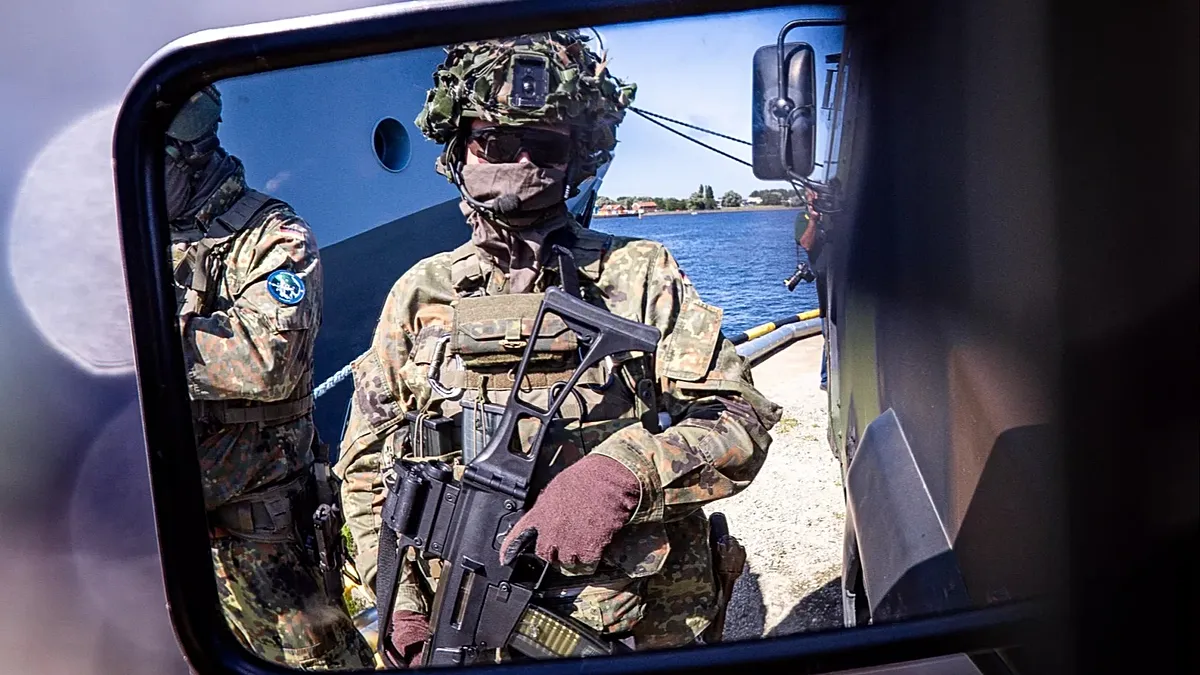
Germany and Netherlands to Set Up NATO Command Centre in Baltics
Poinews.com – Germany and the Netherlands are set to create a shared NATO command hub in the Baltic region, as revealed by Berlin in recent statements. This initiative, planned for completion by the end of this year, aims to centralize the coordination of NATO forces along the eastern borders of Europe and reinforce collective defense against potential Russian aggression. The new headquarters, named 1GNC, will serve as a key logistical and strategic node for military operations, focusing on rapid response and operational planning in Estonia and Latvia. By combining their resources, the two nations seek to enhance NATO’s readiness and adaptability in a region that has become increasingly vulnerable to security threats.
Eastern Flank Deterrence and Operational Flexibility
The decision to establish a joint headquarters in the Baltics marks a pivotal step in NATO’s strategy to strengthen its eastern flank. With tensions rising between the alliance and Russia, this move ensures a more proactive approach to defending critical infrastructure and troop deployments. The existing command in Szczecin, Poland, will now be complemented by a second center in the region, allowing for dual oversight and faster decision-making. This setup is designed to prevent bottlenecks in command during crises, offering a more resilient framework for NATO’s eastern defense posture.
“Germany and the Netherlands to set up NATO command centre in Baltics is a testament to their commitment to maintaining stability in the region,” said a spokesperson for the German defence ministry. “This collaboration will ensure that NATO forces are prepared to act swiftly and decisively.”
Historically, the Baltic region has relied on a single headquarters to manage NATO operations. However, the introduction of the 1GNC will create redundancy, ensuring that the alliance can respond effectively even if one command is overwhelmed. The new center will oversee military exercises, readiness assessments, and combat scenarios, allowing for a more dynamic defense strategy. This initiative is part of a broader effort to integrate regional security with NATO’s overall mission, particularly as hybrid threats continue to challenge traditional warfare models.
Logistical and Strategic Integration
The German-Netherlands Corps will operate from Münster, Germany, but will deploy to the Baltics as required, ensuring flexibility in both location and command structure. The rotating leadership model, with Germany currently leading until early 2028, allows for shared responsibility and continuous engagement with the region’s defense needs. This dual-command system is expected to streamline operations and improve interoperability among allied forces, enhancing NATO’s ability to coordinate large-scale military efforts. The 1GNC will also serve as a training ground for rapid mobilization and joint tactical exercises.
Germany and the Netherlands to set up NATO command centre in Baltics is part of a larger strategy to modernize NATO’s military capabilities. The coalition of 14 member countries contributing to the existing headquarters in Szczecin will now have an additional layer of support, ensuring that critical operations can be managed with greater efficiency. This development aligns with NATO’s goal of creating a more agile and responsive defense network, capable of addressing evolving threats such as cyberattacks, disinformation, and physical incursions into EU territories.
Response to Hybrid Threats and Emerging Challenges
In recent months, NATO has intensified its focus on hybrid threats, which have grown more sophisticated and frequent along Europe’s eastern border. The Baltic Sentry programme, launched in mid-2025, highlights the alliance’s commitment to securing undersea infrastructure and monitoring potential disruptions. Germany and the Netherlands to set up NATO command centre in Baltics will further bolster these efforts by providing a centralized hub for surveillance, intelligence sharing, and rapid deployment of resources. This structure ensures that NATO can respond to hybrid warfare tactics with coordinated and timely action.
As the security landscape continues to shift, the new command centre is expected to play a crucial role in maintaining NATO’s strategic edge. The German-Netherlands Corps will work closely with local partners to enhance situational awareness and readiness. With the ability to command up to 50,000 troops, the 1GNC is positioned to adapt to both conventional and unconventional conflicts. This initiative reflects the shared determination of Germany and the Netherlands to set up a robust defense framework that supports NATO’s broader objectives in the region.