Soldiers, not talks will decide Russia’s war in Ukraine, Lavrov says
Lavrov asserts military action, not diplomacy, will resolve Russia's Ukraine conflict Soldiers not talks will decide Russia - In a recent statement, Russian

Lavrov asserts military action, not diplomacy, will resolve Russia’s Ukraine conflict
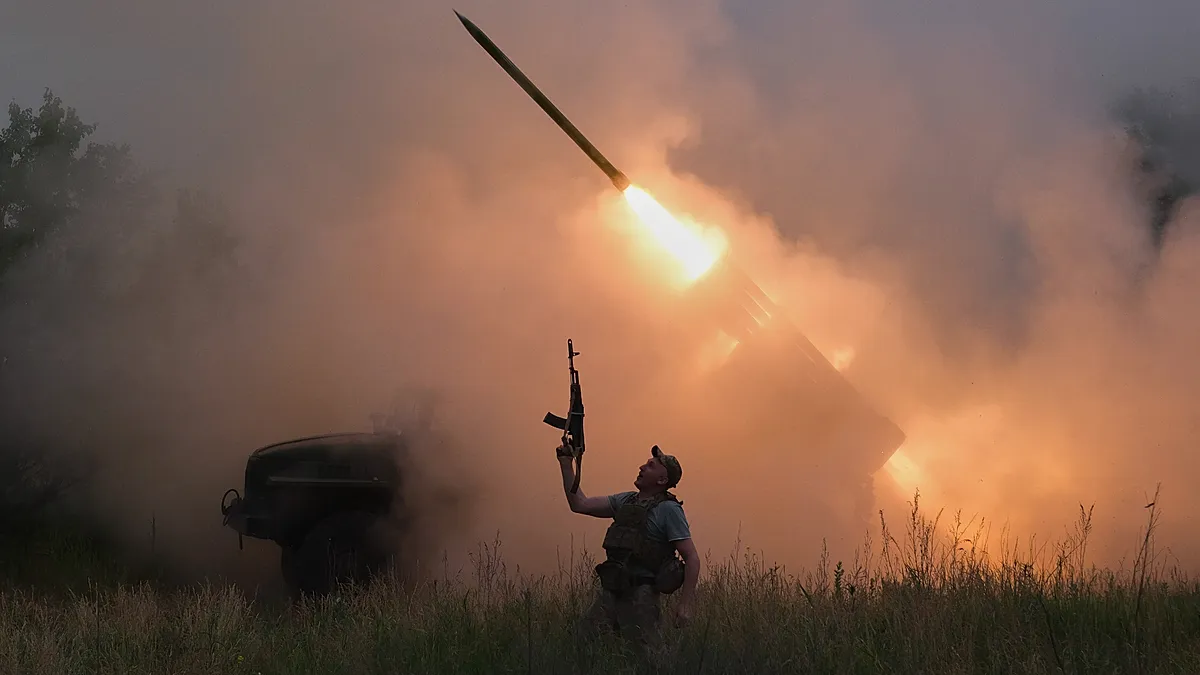
Poinews.com – In a recent statement, Russian Foreign Minister Sergey Lavrov reinforced the belief that soldiers on the front lines, rather than diplomatic discussions, will ultimately determine the outcome of Russia’s war in Ukraine. The minister emphasized that while talks are important, they are secondary to the decisive role of combat. This perspective aligns with President Vladimir Putin’s stance, who has consistently argued that military victories are necessary to achieve strategic goals in the conflict. Lavrov’s comments came amid ongoing tensions, highlighting Russia’s frustration with what it perceives as a lack of progress in negotiations and Western support for Ukraine’s resistance.
The Skepticism Toward Diplomatic Efforts
Lavrov criticized the open letter from Ukraine’s President Volodymyr Zelenskyy, which was directed to Putin last week, as a sign of the country’s reluctance to engage in meaningful dialogue. He accused the letter of being impolite and argued that it undermined the possibility of a negotiated settlement. “Polite people do not behave this way,” he said, suggesting that Ukraine’s leaders are not making sufficient diplomatic gestures. This sentiment reflects a broader Russian narrative that the war cannot be resolved through talks alone, as the frontline forces must secure territorial objectives through direct military action.
Russian Defense of Military Strategy
“It is not negotiations but the actions of those involved on the front lines that are crucial to the outcome of Moscow’s full-scale invasion,” Lavrov echoed Putin’s earlier stance, emphasizing the primacy of combat over political discussions. He framed the war as a test of military strength, arguing that only decisive battlefield successes will convince Ukraine and its allies to accept a favorable peace agreement. This perspective is rooted in Russia’s experience with previous conflicts, where military dominance was seen as the key to achieving lasting stability.
Lavrov’s remarks also underscored the importance of maintaining momentum in the conflict. He pointed out that Ukraine’s continued resistance, supported by Western arms, has kept the war dynamic and difficult to resolve through diplomacy. The minister stressed that military operations must continue until Russia’s strategic objectives are met, a position that has been reinforced by recent successes on the eastern front. These developments have given Moscow renewed confidence that its forces can push toward a decisive victory, further solidifying the belief that talks are secondary to the battlefield.
The Western Response to Russian Rhetoric
While Lavrov and Putin stress the importance of military action, Western leaders have remained committed to diplomatic solutions. This contrast has become more pronounced as Russia’s military strategy gains traction. In recent weeks, the United States and European nations have continued to provide Ukraine with advanced weaponry and financial aid, arguing that such support is essential to sustain its defense. Secretary of State Marco Rubio, during congressional hearings on June 3, reiterated that diplomacy remains the ultimate goal, even as the U.S. maintains its military aid to Ukraine.
However, Russia views this Western support as a hindrance to peace. Lavrov pointed out that the U.S. has not shown interest in reviving the “understanding reached in Anchorage” last summer, which was a key agreement between Russia and the West. He cited the comments of American allies, including Kaja Kallas, the Estonian prime minister, as evidence of a growing divide between Russia and the West. This divergence in strategy has created a rift in international relations, with Russia accusing its partners of being inconsistent in their approach to the conflict.
Global Implications of the War’s Direction
As Russia’s military focus intensifies, the implications for global geopolitics grow more significant. Lavrov’s assertion that soldiers, not talks, will decide the war has emboldened Moscow to continue its offensive operations, even as international mediation efforts stall. The minister’s remarks suggest that Russia is prepared to escalate the conflict further, using military might to force a settlement that aligns with its interests. This approach has drawn criticism from diplomats and analysts, who argue that it risks prolonging the war and increasing humanitarian suffering in Ukraine.
Meanwhile, Ukraine and its allies have expressed concern that Russia’s emphasis on military action could lead to a protracted conflict. Zelenskyy’s open letter, which called for direct negotiations with Putin, has been interpreted by some as a strategic move to highlight the need for diplomacy. Despite Lavrov’s skepticism, the Ukrainian government remains hopeful that a combination of military resilience and international pressure could lead to a favorable outcome. As the war continues, the balance between military and diplomatic strategies will remain a central theme in global discussions about Russia’s war in Ukraine.