
Magyar optimistic about Paks nuclear power station restart as Danube water levels rise
Magyar optimistic about Paks nuclear power station operations as Hungary's capital experiences rising Danube water levels following weeks of drought. Prime

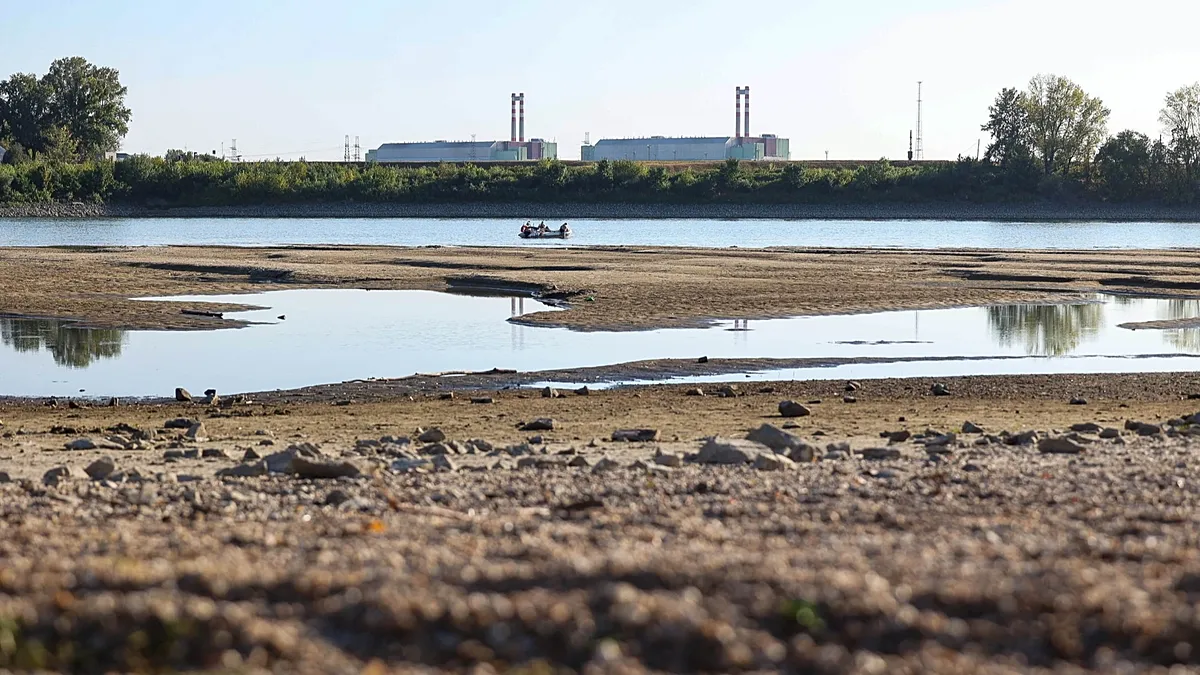
Table of Contents
Paks Nuclear Plant Set for Restart as Danube Waters Recover
Magyar Optimistic About Paks Nuclear Restart Amid Rising River Levels
Poinews.com – Magyar optimistic about Paks nuclear power station operations as Hungary’s capital experiences rising Danube water levels following weeks of drought. Prime Minister Péter Magyar shared encouraging updates on Thursday, revealing that the river has climbed nine centimeters above its Sunday minimum level. This recovery brings renewed hope for Hungary’s sole nuclear facility, which was forced into emergency shutdown when waters dropped to critical lows.
The Paks nuclear power station, located along the Danube River, represents a cornerstone of Hungary’s energy infrastructure. When the river’s water levels fell below essential thresholds on Sunday, operators had no choice but to halt operations to prevent overheating. The Danube, recognized as Europe’s second-longest waterway, has suffered unprecedented drops across multiple sections following consecutive heatwaves that have parched the continent since May.
“The good news is that we are now nine centimetres above the Danube’s Sunday low, and rain is expected over the Austrian catchment areas. The turbine at Paks is operating. Even so, on today’s scorching day we will still very much need people to cut their consumption voluntarily,” Magyar wrote in a post on X on Thursday.
During a Tuesday visit to the facility, the prime minister received encouraging updates indicating that conditions had stabilized once the river stopped declining below the critical threshold and began its slow recovery. By Tuesday evening, measurements showed the water level had increased five centimeters compared to morning readings. Wednesday morning brought an additional centimeter of rise, with an 8 AM measurement of -134 centimeters, followed by Thursday morning’s reading of -131 centimeters.
While the upward trend means there is no immediate requirement to power down the final turbine, restarting units that have already been shut down will require patience. For Paks to achieve normal operational status, water levels must maintain their current height consistently over time. Energy experts note that the nuclear plant requires substantial cooling water to function safely, making the Danube’s recovery crucial for long-term stability.
According to water management authority data, Budapest has already recorded a fourteen-centimeter increase above last Sunday’s low point. The capital city also established a new all-time temperature record on Wednesday, with Újpest registering 41.1 degrees Celsius. This marks the first time in recorded history that Budapest has experienced such extreme heat, surpassing the previous record of 41 degrees set earlier in June of this year.
What Citizens Should Know About Energy Conservation
As Hungary navigates this challenging period, authorities are urging residents to reduce electricity consumption during peak hours. The combination of high temperatures and limited cooling capacity at Paks means that every kilowatt saved helps maintain grid stability. Citizens are encouraged to use air conditioning more efficiently, avoid running heavy appliances during midday hours, and consider alternative transportation methods to reduce overall energy demand.
The situation highlights the vulnerability of nuclear facilities to climate-related challenges. While nuclear power provides reliable baseload electricity, its dependence on consistent water supplies makes it susceptible to drought conditions. Hungary’s experience with Paks may serve as a model for other European nations facing similar water scarcity issues during extended heatwaves.
Frequently Asked Questions
When will Paks nuclear power station fully restart? Full restart depends on maintaining stable water levels for several consecutive days. Officials expect gradual restoration of all units once the Danube continues its upward trajectory.
How low did Danube water levels drop? The river fell to critical levels on Sunday, requiring emergency shutdown procedures. By Thursday, levels had recovered to -131 centimeters, still below normal but showing consistent improvement.
What measures are being taken to conserve energy? The government has requested voluntary reductions in electricity consumption, particularly during peak afternoon hours when cooling demands are highest.
Is this the worst drought in Hungary’s history? While not necessarily the worst on record, this drought is particularly severe due to its timing during peak summer months and its impact on critical infrastructure like the Paks facility.
How does Paks contribute to Hungary’s energy supply? The Paks nuclear power station provides approximately half of Hungary’s electricity needs, making its full operation essential for national energy security.