Possible massacre and cannibalism 7,000 years ago uncovered in Granada
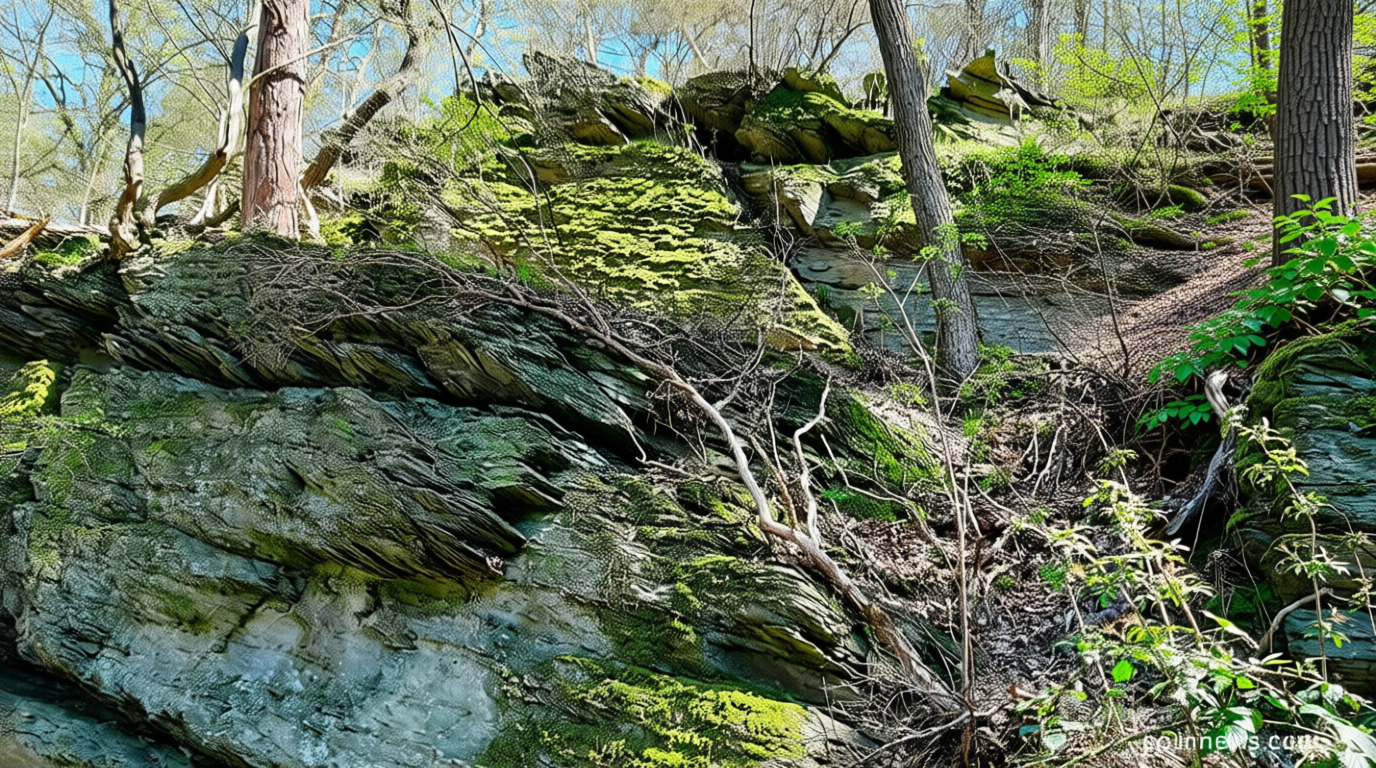
For over fifty years, three small caves tucked into the hillsides above Granada have served as touchstones for scholars studying prehistoric cannibalism

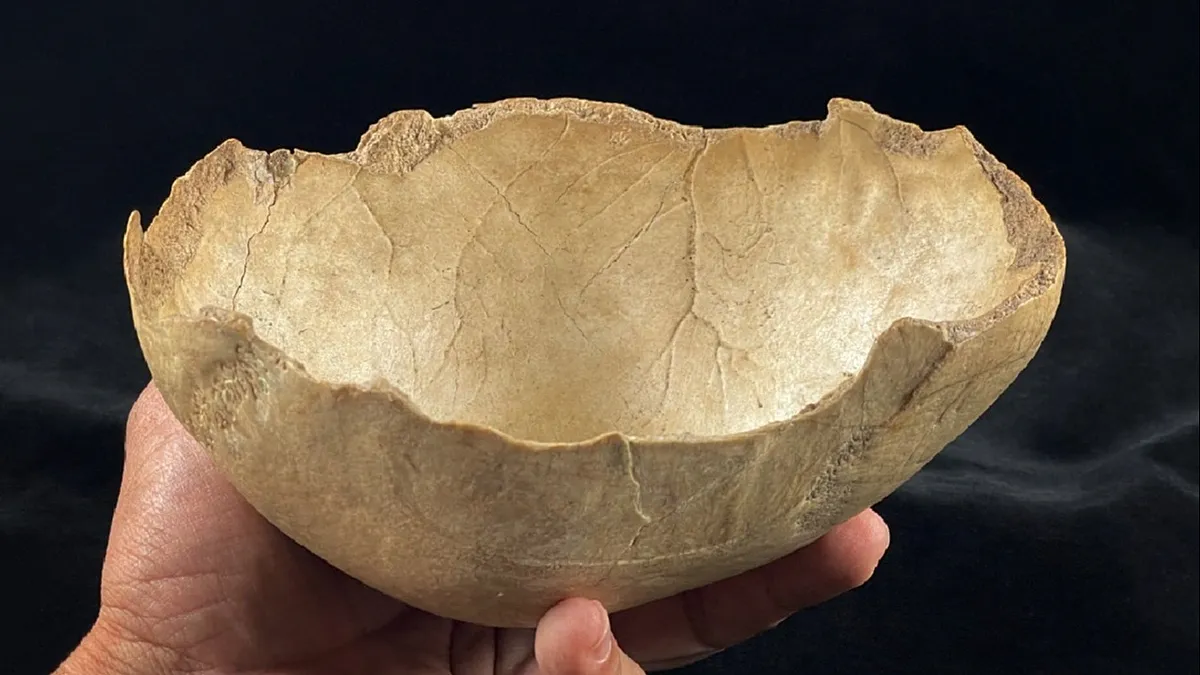
Table of Contents
Granada Caves Rewrite the Story of Neolithic Cannibalism in Southern Iberia
Poinews.com – For over fifty years, three small caves tucked into the hillsides above Granada have served as touchstones for scholars studying prehistoric cannibalism across Europe. Now, a fresh round of analysis on nearly 1,000 human skeletal remains recovered from those sites has shattered the long-held assumption that such practices were rare, isolated events. Instead, the new evidence paints a picture of recurring, context-dependent anthropophagy spanning thousands of years in the southern Iberian Peninsula.
The findings, published in the Journal of Archaeological Science, come from an international collaboration involving universities and research institutions in Spain, Austria, Brazil, and Argentina. By applying radiocarbon dating, advanced taphonomic protocols, statistical modelling, and machine-learning classifiers to bones excavated decades ago, the team was able to assign precise chronological anchors to each assemblage and distinguish between episodes separated by centuries.
Three Caves, Three Very Different Stories
Although all three locations bear the unmistakable signatures of deliberate bone modification — cut marks, perimortem fractures, and dental puncture marks — each site tells a distinct narrative about why and how people consumed one another.
Malalmuerzo delivers the most dramatic episode. The skeletal evidence points to a single, violent confrontation around 5000 BC in which individuals of varying ages were killed collectively, their bodies subsequently processed and consumed. The concentration of trauma and the pattern of cut marks suggest a one-time massacre rather than a gradual practice.
Carigüela, by contrast, records multiple episodes of cannibalism spread across the Neolithic, indicating that the behaviour was not confined to a single traumatic event but recurred over generations. Among the most unusual finds here are two crania that had been deliberately reshaped into vessel-like containers, hinting at a distinctive cultural treatment of skulls that goes beyond mere consumption.
Majólicas preserves the most recent episode, dated to roughly 3800 BC, and its context appears markedly different from the others. There is no clear signature of collective violence. Instead, certain long bones bear traces of red pigment — most likely cinnabar — pointing toward ritualised handling of the dead rather than straightforward subsistence cannibalism.
Methodology and the Value of Old Collections
The analytical pipeline combined microscopic examination of surface modifications with direct radiocarbon dating of individual bones, statistical pattern recognition, and machine-learning classification of cut-mark morphology. This multi-pronged approach allowed the researchers to separate natural post-depositional damage from deliberate anthropogenic modification and to date each episode independently.
The work also underscores a broader point about archaeological practice: collections excavated half a century ago, long catalogued and shelved, can yield entirely new information when subjected to techniques that did not exist at the time of recovery. The Granada assemblages had been studied before, but never with the chronological resolution now available.
A Broader European Pattern
Plotted against comparable evidence from other parts of Europe, the Granada data slot neatly into a wider temporal pattern. Anthropophagic activity during the Neolithic and early Bronze Age does not appear as a steady background practice but clusters in three broad windows: the late sixth millennium BC, the mid-fifth millennium BC, and the late third millennium BC — the final phase already falling within the Bronze Age. The gaps between these pulses suggest that cannibalism was triggered by specific social conditions rather than sustained by cultural inertia.
The authors stop short of naming a single explanatory cause. They propose, however, that shifts in social organisation, inter-group relations, and prevailing conceptions of death and violence may have created the conditions under which such episodes became socially permissible or even expected.
Reframing a Homogeneous Assumption
For decades, prehistoric cannibalism was treated as a relatively uniform phenomenon: find cut marks, declare the practice, move on. The Granada study argues forcefully that appearances of similarity mask fundamentally different social realities. Chronology, depositional context, and the specific modifications preserved on bone must all be weighed together before any interpretive label is applied.
“His work helped establish Malalmuerzo, Carigüela and Majólicas as benchmark sites for the study of cannibalism in Europe’s late Prehistory,” concludes Francesc Marginedas, referring to Miguel C. Botella, who served as director of the Laboratory of Forensic Archaeology at the University of Granada and whose earlier fieldwork was indispensable to the current analysis.
Antonio Rodríguez-Hidalgo, a Ramón y Cajal researcher at the Institute of Archaeology of Mérida and co-author of the study, frames the interpretive shift in practical terms: practices that look alike on the surface may encode entirely different social meanings, and only a joint reading of chronology, context, and skeletal evidence can separate them.
The implications extend beyond Iberia. If southern Spain’s Neolithic communities were cycling through episodes of collective consumption tied to particular social ruptures, then comparable assemblages elsewhere in Europe — from the Balkans to western France — may likewise represent discrete, context-specific events rather than a continuous cultural trait. The Granada caves, once regarded as curiosities, now function as a chronological and interpretive key for re-reading the entire European record of prehistoric anthropophagy.
Related Reading
Frequently Asked Questions
What is Possible massacre and cannibalism 7 000 years?
Possible massacre and cannibalism 7 000 years is the main topic of this guide. The article explains the context, practical details, and next steps readers should understand.
Why does Possible massacre and cannibalism 7 000 years matter?
Possible massacre and cannibalism 7 000 years matters because readers are looking for a useful answer, not just a short summary. Good content should match search intent and help them decide what to do next.