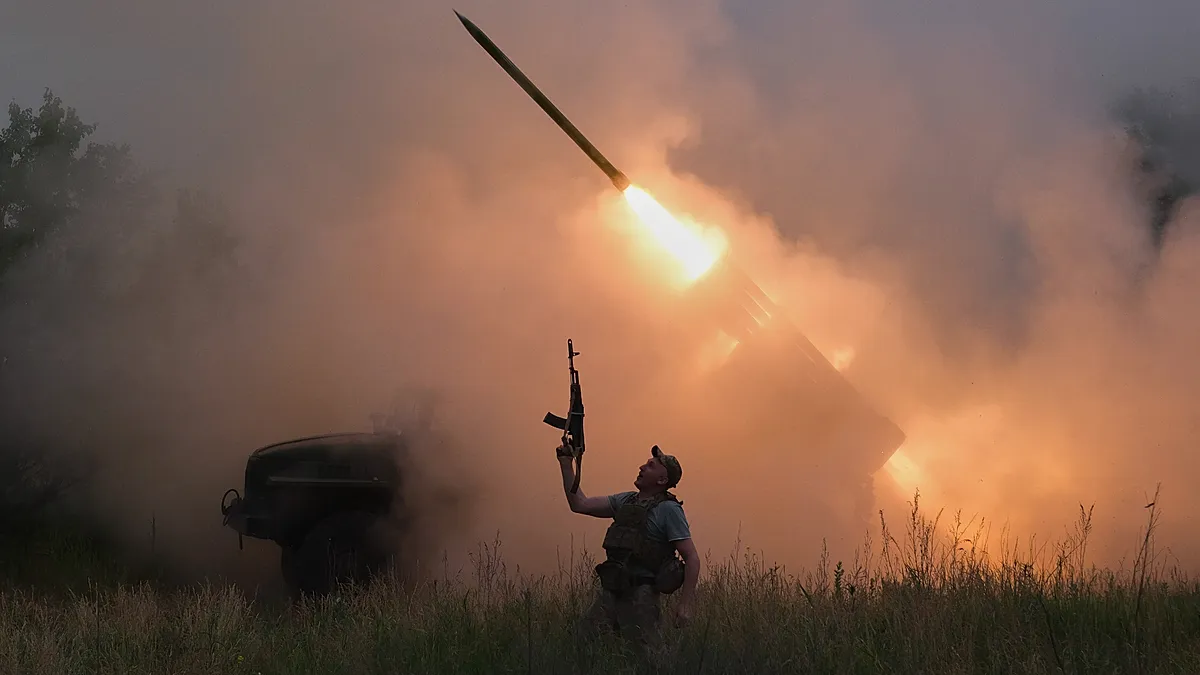
US destroys five Iranian tankers as Tehran launches retaliatory strikes on Jordan
The US destroys five Iranian tankers in a single night of naval strikes near the Strait of Hormuz, pushing the six-month conflict between Washington and

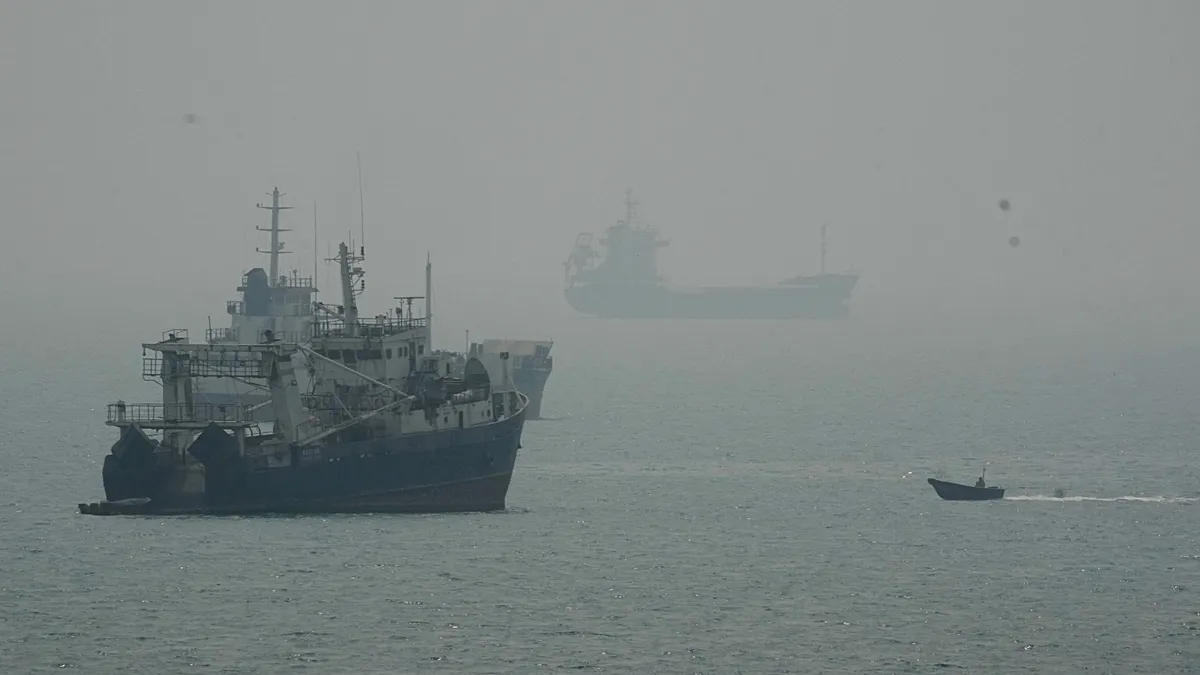
Table of Contents
US Destroys Five Iranian Tankers, Tehran Strikes Jordan
Poinews.com – The US destroys five Iranian tankers in a single night of naval strikes near the Strait of Hormuz, pushing the six-month conflict between Washington and Tehran into its most volatile phase yet. Hours after two ballistic-missile salvos targeted a US Navy warship, American forces sank the vessels, and Iran answered with retaliatory strikes aimed at American bases in Jordan.
Five Vessels Lost in One Operation
US Central Command confirmed the destruction of the Kivik, the Charminar, the Horizon 1, the Riesco, and the Derya. Each tanker was carrying crude oil or refined products — commodities already scarce in global markets since the war disrupted Hormuz shipments. Crews received abandon-ship orders before the strikes were delivered. Command framed the US destroys five Iranian tankers action as a proportional response to repeated missile attacks on its warship, noting that the vessel evaded both salvos and that no American service members were injured.
“The US warship successfully evaded the attempted Iranian attacks and no American personnel were harmed.”
The scale of the loss marks one of the largest single-day blows to a commercial fleet since the conflict began, underscoring how quickly the naval dimension of the war has intensified.
Jordan Takes the Retaliation
Within hours of the tanker strikes, Iranian missiles arced toward US military positions in Jordan. The kingdom’s air-defence network intercepted eighteen ballistic missiles inbound on its territory; two additional projectiles struck uninhabited areas. The Jordanian military reported no casualties.
For Amman, repeated targeting of its soil has become a defining burden of the conflict. The kingdom’s bases — supporting logistics, intelligence, and rotary-wing operations — have drawn Iranian fire on multiple occasions over past months, forcing Jordan to weigh its role as a US partner against domestic pressure to limit cross-border exposure.
What Preceded the Escalation
The Tuesday exchange did not emerge from a vacuum. On Sunday, Iranian forces claimed a strike on a US Navy sea drone operating in the Gulf. At dawn Monday, Iranian state television aired footage of what it described as an unmanned US underwater vessel seized at the entrance to the Strait of Hormuz, showing the captured asset being hauled aboard an Iranian vessel. Whether the platform was a small autonomous underwater vehicle or a larger unmanned surface craft was not clarified, but the episode sharpened Washington’s perception that Tehran was probing the limits of American naval presence in the region.
Sanctions Tighten Around Iran’s Skies
On the same day, the Trump administration announced new sanctions targeting more than two dozen commercial and private airlines operating into or out of Iran, along with foreign cargo-service providers handling freight for Iranian carriers. The measures aim to sever Tehran’s remaining commercial lifelines and pressure trading partners into choosing between Iranian business and access to the US market. Analysts note that limiting Iran’s ability to move personnel and goods by air compounds the economic strain already imposed by the naval blockade of Hormuz traffic.
Why the Strait Still Matters
Before the war, roughly one-fifth of the world’s oil supply transited the Strait of Hormuz daily, making the waterway the single most critical chokepoint in global energy logistics. Both Washington and Tehran now seek to dictate the terms of passage. The US Navy maintains a carrier group and escort vessels in the Gulf to guarantee free flow for allied tankers, while Iran’s Revolutionary Guard Navy employs fast-attack craft, mines, and shore-based missiles to contest American dominance. The destruction of five tankers followed by a retaliatory barrage on allied territory signals that neither side will accept the other’s de facto control of the corridor.
FAQ
How many Iranian tankers were destroyed? The US destroys five Iranian tankers in one operation: the Kivik, the Charminar, the Horizon 1, the Riesco, and the Derya, all sunk near the Strait of Hormuz.
Were any American personnel injured? No. US Central Command confirmed the targeted warship evaded both ballistic-missile salvos and that no US service members were harmed.
What happened in Jordan? Iranian retaliatory missiles were fired toward US bases in