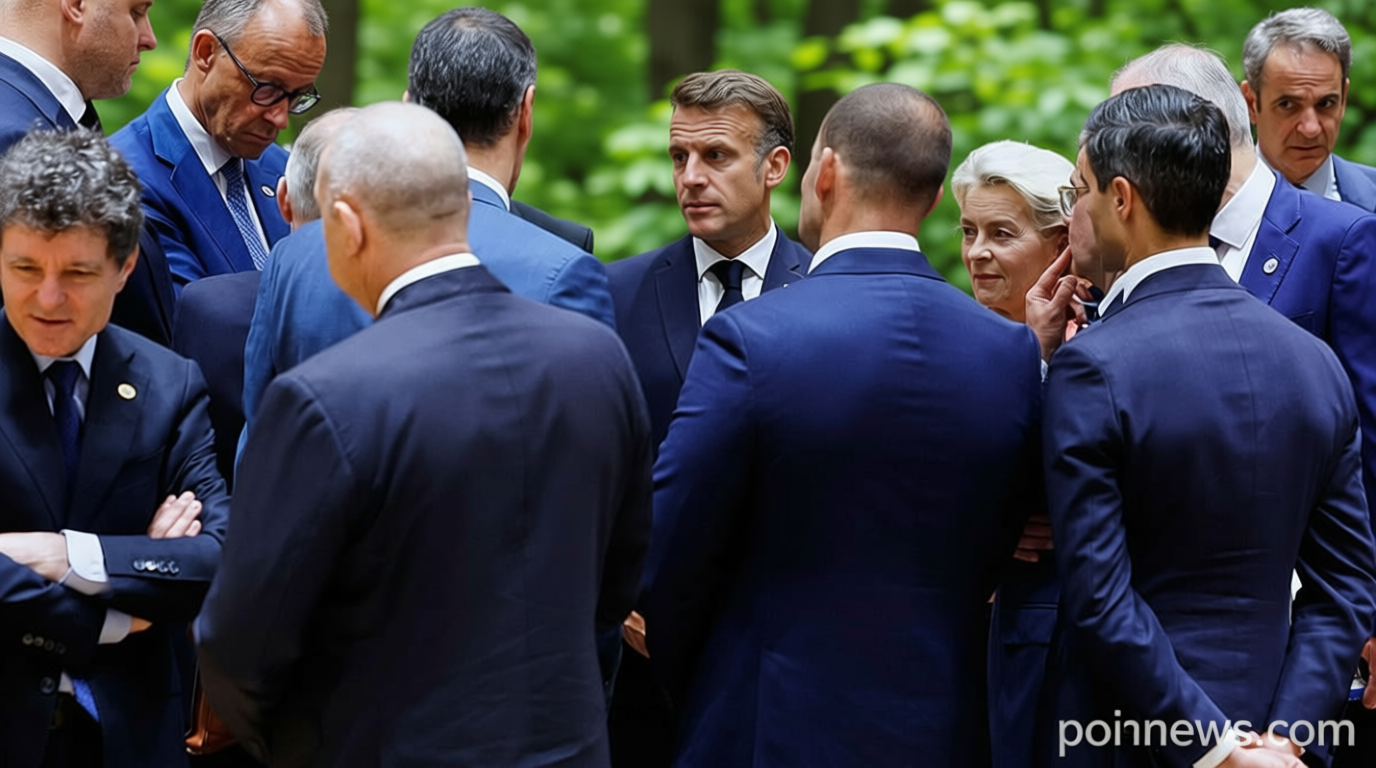
EU’s plan to gain independence from Russian energy faltering, auditors warn
The European Union’s effort to cut its reliance on Russian energy is losing momentum despite the large sums earmarked for the transition, with auditors

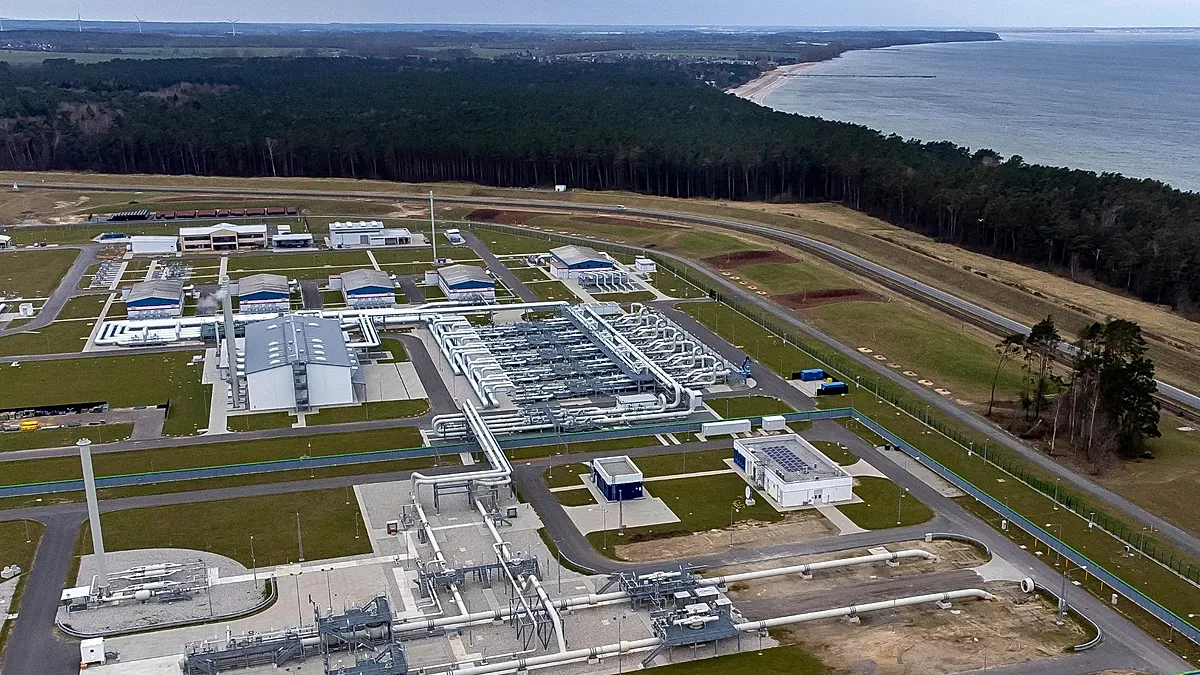
Table of Contents
EU Energy Independence Drive Faces Fresh Doubts Over Funding and Grid Progress
Poinews.com – The European Union’s effort to cut its reliance on Russian energy is losing momentum despite the large sums earmarked for the transition, with auditors warning that the bloc remains far from meeting key targets for renewable power and energy infrastructure.
Four years after the European Commission introduced REPowerEU, the European Court of Auditors has raised concerns that progress toward energy sovereignty has not matched the scale of the political ambition. The programme was launched in 2022, after Russia’s full-scale invasion of Ukraine, to reduce dependence on Moscow’s oil and gas while speeding up the shift to cleaner energy.
Russian oil purchases have fallen sharply under EU sanctions, while gas imports from Russia have also dropped. But the auditors said it would be misleading to credit REPowerEU alone for the decline in gas demand and imports.
“In our view, other factors also contributed to lower gas consumption – and consequently imports – which are not causally linked to the REPowerEU plan. These include mild winters, as well as reduced consumption by households and businesses in response to high energy prices,” reads the ECA report.
The disruption of the Nord Stream pipelines in 2022 also accelerated Europe’s search for alternatives to Russian supplies. The sabotage removed a major gas route and underscored how exposed Europe’s fossil-fuel system could be to geopolitical shocks and infrastructure failures.
Russian gas share has fallen, but the transition remains incomplete
The Commission maintains that REPowerEU has delivered an important change in Europe’s energy position. A Commission spokesperson said the strategy helped push Russian natural-gas imports down from 152 billion cubic metres in 2021 to 36 billion cubic metres in 2025. Over the same period, Russia’s share of EU gas imports dropped from 45% to 12%.
Restrictions will tighten further over the next year. The remaining imports of Russian liquefied natural gas are scheduled to be fully phased out on 1 January 2027, while Russian pipeline-gas imports are due to end in September 2027. Some exemptions have been permitted during the transition, reflecting the differing energy situations across member states.
Ending Russian imports, however, is only one part of the challenge. The auditors warned that a successful break with Russian fossil fuels requires enough home-grown clean electricity and a stronger grid capable of carrying that power across borders. Without those investments, Europe could simply exchange one form of external energy reliance for another.
Renewables added, but REPowerEU contribution judged limited
Solar and wind deployment has expanded significantly across the EU. More than 200 GW of solar and wind capacity was added between 2022 and 2024. Yet the auditors found that renewable capacity directly linked to REPowerEU measures was negligible when measured against the Commission’s objective of 103 GW.
The gap points to an important distinction for households and businesses watching the energy transition: installing more renewable generation does not automatically create an integrated and resilient energy system. Electricity must be moved from where it is produced to where it is needed, often across national borders and at times when demand is highest.
Cross-border electricity interconnections were identified as a particularly serious weakness. The Commission and countries including Portugal and Spain have repeatedly highlighted insufficient grid capacity as an obstacle to a genuinely connected European energy market.
That shortfall can have practical consequences. If grids cannot absorb or transfer electricity produced by wind and solar installations, generators may have to reduce output. This process, known as curtailment, can occur even when clean power is available. In some market conditions, surplus electricity can also contribute to negative prices, creating a difficult investment environment for energy producers.
For the EU, the issue is therefore not just how much renewable capacity can be built. It is also about whether transmission networks, storage, market rules and cross-border links can keep pace with the new generation fleet.
Funding uptake remains below expectations
Money is another major obstacle. The audit found that member states had committed €54.3 billion from the €300 billion in additional funding made available through the EU recovery fund. That is less than one-fifth of the investment initially considered necessary to fulfil REPowerEU’s aims.
“Informal replies sometimes say that it is cheaper for member states to borrow and get loans. There’s also an administrative burden attached – there are issues between grants and loans since grants do not count toward national debt and member states are reluctant to commit to this,” Stefano Sturaro, an EU auditor, told reporters on Wednesday.
The Commission defended the financial support, arguing that it had played a pivotal part in advancing REPowerEU priorities. Still, the auditors found that national energy and climate plans often did not translate the programme into sufficiently detailed measures or measurable targets.
Those plans were intended to turn broad European goals into practical national action. Weak targets or limited detail make it harder to determine whether spending is producing the required changes in generation, efficiency and infrastructure.
Geopolitical pressure keeps the issue urgent
REPowerEU was designed at a moment when Europe was trying to move away from cheap Russian fossil fuels, which had made Moscow the EU’s leading energy supplier until 2022. The initiative was also closely tied to the European Green Deal and the bloc’s goal of reaching climate neutrality by 2050.
“Four years after its launch, REPowerEU has stalled, even though several hundred billion euros have been made available”, said Mihails Kozlovs, the ECA auditor leading the report. “We must learn the right lessons now, as the new geopolitical tensions and their impact on energy markets underscore the need to accelerate diversification and prevent future over-reliance on a single supplier.”
The warning arrives at a sensitive time for Brussels. Reducing dependence on Russian fuel remains a strategic priority, but energy security increasingly depends on more than finding replacement imports. The EU’s longer-term resilience will rest on whether it can finance renewable projects, expand electricity networks and convert national commitments into action before a new dependency takes root.
Related Reading
Frequently Asked Questions
What is EU s plan to gain independence?
EU s plan to gain independence is the main topic of this guide. The article explains the context, practical details, and next steps readers should understand.
Why does EU s plan to gain independence matter?
EU s plan to gain independence matters because readers are looking for a useful answer, not just a short summary. Good content should match search intent and help them decide what to do next.