“We don’t feel a sense of worry” in Europe, says the head of the Muslim World League
“We don t feel a sense” of broad concern about Europe’s political direction, Sheikh Dr Mohammad bin Abdulkarim Al-Issa said during a visit to Brussels. The

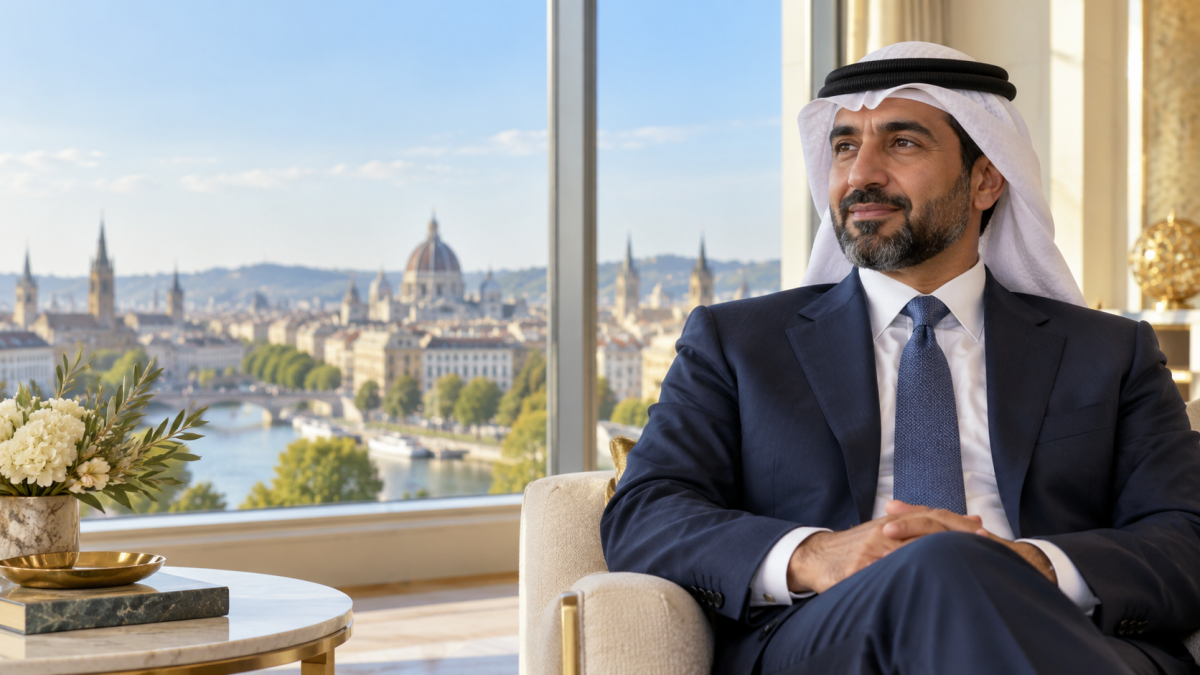
Table of Contents
“We don t feel a sense” of worry in Europe, Muslim World League chief says
Poinews.com – “We don t feel a sense” of broad concern about Europe’s political direction, Sheikh Dr Mohammad bin Abdulkarim Al-Issa said during a visit to Brussels. The Secretary-General of the Muslim World League argued that dialogue, constitutional safeguards and civic engagement remain essential to social cohesion.
Al-Issa met Belgian political leaders, religious representatives and civil-society figures in the Belgian capital. Their discussions focused on how communities with different beliefs and backgrounds can live together constructively.
Dialogue as a path to social cohesion
The Muslim World League chief said dialogue requires more than meetings or statements. In his view, it depends on sincere intentions and on leaders who can translate common principles into practical action when tensions emerge.
“Of course, we always believe in dialogue and place great faith in it. Dialogue is the language of reason and wisdom.”
The Muslim World League was founded in 1962 and is based in Mecca. It describes its work as promoting Islam, tolerance and friendship between peoples, themes Al-Issa brought to discussions in Brussels.
Constitutional checks and political change
Asked about the rise of hardline-right parties in parts of Europe, Al-Issa said “we don t feel a sense” of general alarm. He pointed to national constitutions, European institutions and established societal values as limits on political overreach.
“As for talk of a hardline right emerging in some European countries, we are generally not worried. Each European country has a civilised constitution that no one can override. There are also societal values that everyone must respect.”
His comments followed September state elections in which the Alternative for Germany came first in Saxony-Anhalt and Mecklenburg-Western Pomerania. France is due to hold a presidential election in 2027, while parliamentary elections are expected in Italy, Poland and Greece.
Al-Issa said public opinion, constitutional oversight and the courts can act when legislation or political decisions move beyond accepted legal boundaries. He maintained that engaged societies have mechanisms to address departures from constitutional principles.
“Any departure from the constitution and these civilised societal values will prompt society to speak out and put things right.”
Religious practice within national laws
Al-Issa also addressed religious observance in Europe, calling for respect for the distinctive practices of every faith when they are consistent with a country’s constitution. “We don t feel a sense” that constitutional protections should be set aside in debates over religion or public policy.
“We always call for respect for each religion’s distinctive practices, provided they do not conflict with the constitution.”
The issue remains central to debates over religious clothing. Italy’s government has approved a decree banning face coverings during school activities, with exceptions for certified medical reasons and educational activities.
The decree does not specifically name the burqa or niqab. Prime Minister Giorgia Meloni nevertheless referred to both garments when presenting the measure, saying that in Italy “no one should force a girl to hide herself”.
For Al-Issa, constitutional systems should protect religious rituals where they do not conflict with the governing legal order. He said European constitutions generally provide that protection.
“There is no doubt that civilised constitutions, particularly European ones, respect those practices and the observance of religious rituals.”
Frequently asked questions
What did Al-Issa say about Europe? He said dialogue, constitutional rules and public engagement provide important protections when political or social tensions arise.
What was the purpose of the Brussels visit? Al-Issa met political, religious and civil-society representatives to discuss dialogue and coexistence among communities with different beliefs and backgrounds.
What is his position on religious practices? He supports respect for religious observance, provided it does not conflict with the constitution of the country concerned.